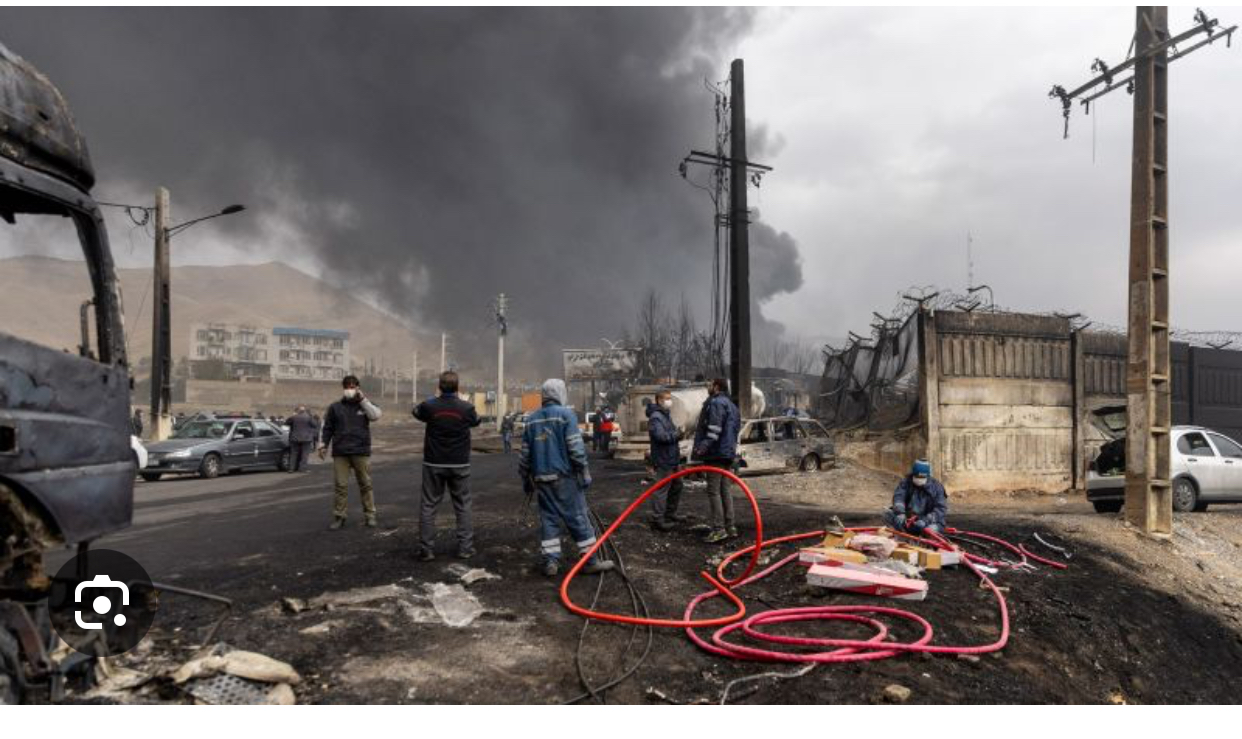
The United Nations Development Programme (UNDP) has warned that the ongoing U.S.-Israeli war on Iran could push more than 30 million people into poverty, driven by surging energy and fertiliser prices.
Speaking on the sidelines of a G7 development meeting in Paris, UNDP head Alexander De Croo described the situation as “development in reverse”, saying years of economic progress could be rapidly undone.
“It took decades to build stable societies and develop local economies, and only weeks of war to destroy that”, he said.
De Croo cited a UNDP study conducted after six weeks of conflict, estimating that even if the war ended at that stage, about 32 million people across 160 countries would fall into precarity.
The conflict has reportedly disrupted global energy markets, including the closure of the Strait of Hormuz, a key route for about a fifth of the world’s oil and liquefied natural gas trade. Gulf countries, which supply key fertiliser inputs and oil products, have also been affected.
The resulting shortages and price spikes have forced several countries in Africa and Asia to introduce emergency measures such as fuel rationing, reduced working hours, and tax cuts on fuel to ease pressure on consumers.
According to the UNDP, Sub-Saharan Africa, parts of Asia including Bangladesh and Cambodia, and several small island developing states are expected to be among the hardest hit.
De Croo warned that rising energy and fertiliser costs would have “an enormous impact in the months ahead”, adding that political instability and reduced remittances from migrant workers in Gulf countries could deepen the crisis.
To cushion the impact, the UNDP estimates that around $6 billion in targeted subsidies would be needed to support the most vulnerable populations facing high food and energy costs.
He noted that discussions are already ongoing with the International Monetary Fund and the World Bank, stressing that while the amount may seem large, it is small compared to the economic cost of the war, which he said runs into billions of dollars weekly.