Proposed agreement could halt hostilities, unlock frozen funds, and pave the way for fresh nuclear negotiations….
The United States and Iran may be on the verge of a major diplomatic breakthrough, with both sides reportedly close to sealing a preliminary agreement that could bring an end to ongoing tensions and reopen the critical Strait of Hormuz.
According to a report by Axios, discussions between Washington and Tehran have advanced to the point where a concise, one-page memorandum of understanding is being considered. The proposed document is expected to formally end hostilities while establishing a framework for more detailed negotiations on Iran’s nuclear programme.
Sources familiar with the talks say the deal would require Iran to temporarily halt nuclear enrichment activities. In exchange, the United States would release billions of dollars in previously frozen Iranian assets, a move seen as a significant concession aimed at building trust.
While no final agreement has been reached, officials say this is the closest both sides have come to a resolution since tensions escalated.
Washington is now said to be awaiting Iran’s response on key elements of the proposal, with a decision expected within the next 48 hours. The outcome could determine whether the fragile progress made so far translates into a concrete deal.
US President Donald Trump has repeatedly hinted that an agreement is within reach, though previous efforts have failed to materialize into a lasting resolution.
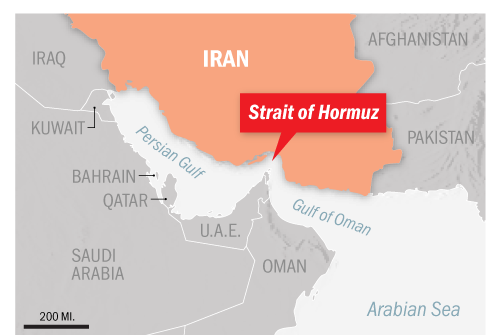
Earlier this week, Trump announced “Project Freedom,” an initiative aimed at ensuring safe passage for vessels navigating the Strait of Hormuz, one of the world’s most strategically important oil routes.
However, the operation was abruptly paused after just one day, following appeals from mediators, including Pakistan, and other international stakeholders. The suspension was framed as a sign of diplomatic progress, with Trump stating that significant headway had been made toward a “complete and final agreement.”
If finalized, the agreement would not only declare an end to hostilities but also trigger a 30-day window for structured negotiations. These talks could take place in neutral locations such as Islamabad or Geneva, both known for hosting high-stakes international diplomacy.
Reopening the Strait of Hormuz would have immediate global implications, particularly for energy markets, as the waterway serves as a key transit route for a significant share of the world’s oil supply.
Despite the optimism, officials caution that the situation remains fluid. Critical details are still unresolved, and past negotiations have shown how quickly momentum can stall.
For now, the world is watching closely as Washington and Tehran navigate what could be a pivotal moment, one that may reshape regional stability and global energy flows if it succeeds.