The military’s counter-terrorism campaign in the North-East has recorded a significant breakthrough following the surrender of two senior commanders of the Islamic State West Africa Province (ISWAP).
According to a statement issued on June 10, 2026, and signed by Lieutenant Colonel Haruna M. Sani, Acting Media Information Officer, Headquarters Joint Task Force (North East), Operation Hadin Kai, the insurgents surrendered to troops on June 8 and are currently in custody undergoing profiling and debriefing.
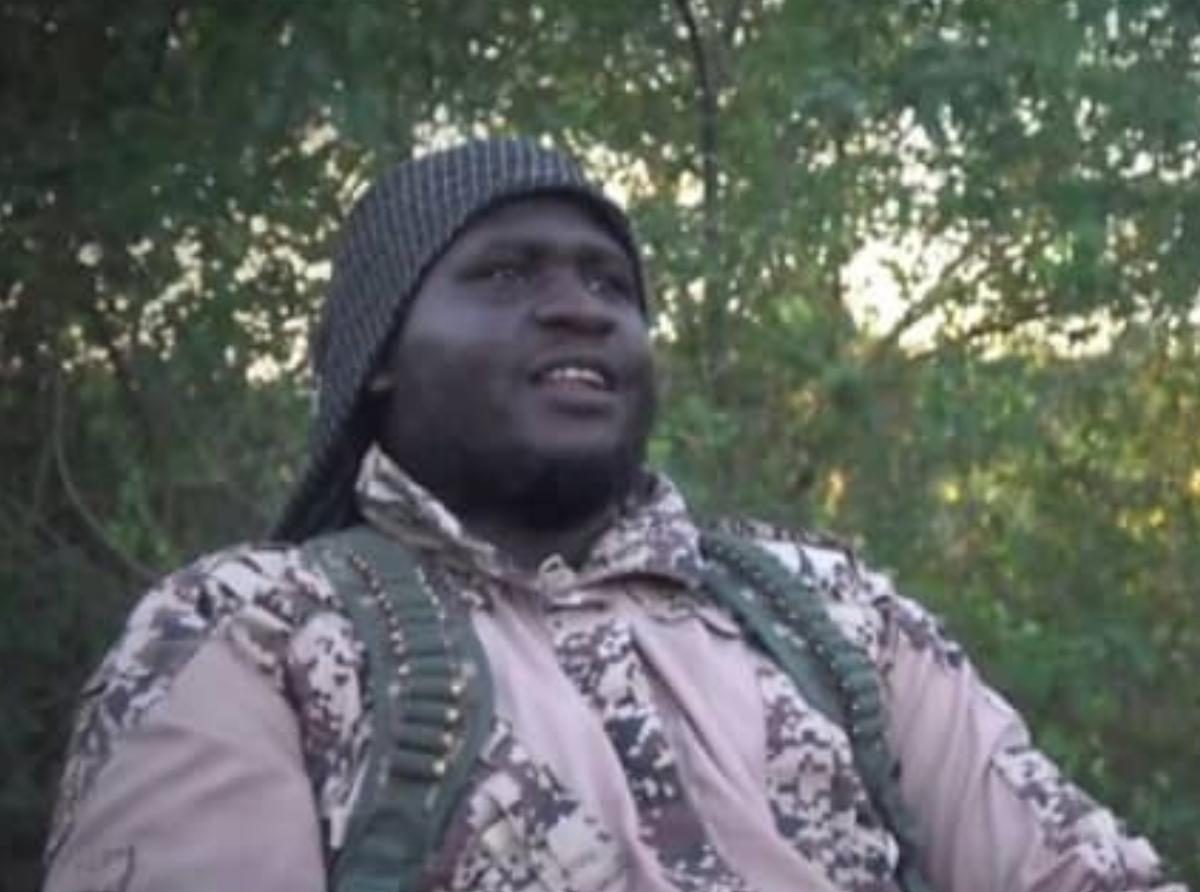
The surrendered fighters were identified as Ismail Mohammed and Abu Umar, both of whom reportedly held strategic positions within the terrorist organisation operating around the Mangari axis of the Lake Chad region.


Military authorities stated that Ismail Mohammed was closely associated with a senior ISWAP leader, Baa Shuwa, and possessed extensive knowledge of the group’s internal command structure and activities.
Abu Umar was described as an explosives specialist responsible for the fabrication and maintenance of vehicle-borne improvised explosive devices (VBIEDs) and other combat support equipment used by the group.
The statement further disclosed that another high-ranking ISWAP member, Mohammed Khalifa, believed to be part of the group’s Shurah Council, was neutralised during ongoing joint operations in the theatre.
According to the military, the surrender of the two commanders represents a major setback for the insurgent group, given their experience, influence, and technical expertise.
Operation Hadin Kai said the development reflects the growing impact of sustained military offensives, supported by allied partners, targeting terrorist enclaves across the region.
The statement added that continuous pressure from ground and air operations has degraded insurgent capabilities, disrupted their leadership structures, and increased the number of fighters surrendering.
Lieutenant Colonel Haruna M. Sani noted that the military remains committed to maintaining pressure on terrorist elements and dismantling their operational networks in order to restore lasting peace and stability in affected communities.