President Bola Tinubu has said Nigeria will continue to pursue fair trade, strengthen access to financing, and borrow “responsibly” without relying on charity, despite rising global interest rates and mounting debt pressures.
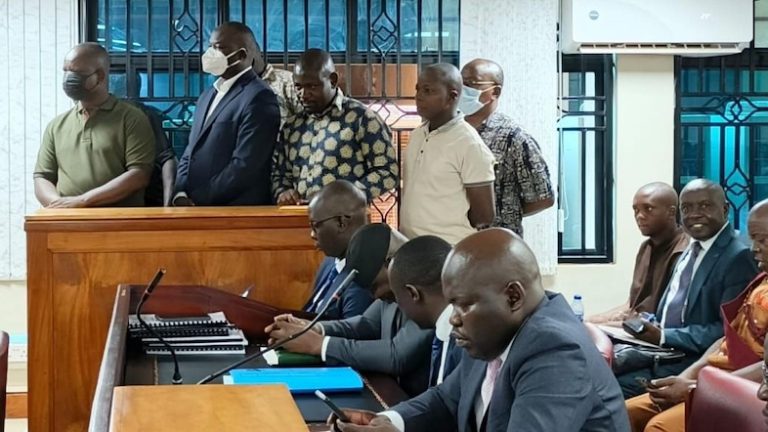
He made the remarks on Tuesday while leading Nigeria’s delegation to the Africa Forward Summit at the Kenyatta Convention Centre in Nairobi, Kenya, where African leaders gathered to discuss economic integration and development. The summit, co-hosted by Presidents Emmanuel Macron and William Ruto, brought together leaders and senior officials from more than 30 countries across the continent.
Tinubu disclosed that Nigeria is projected to spend about $11.6 billion on debt servicing in 2026, describing it as nearly half of expected national revenue. He said high borrowing costs were diverting funds away from key sectors such as industry, agriculture, and digital development.
“Every single dollar that leaves our treasury to pay punitive interest rates is a dollar that did not go into our steel sector, our textile mills, our agro-processing plants, or our digital industries”, he said.
He argued that Africa’s current financial structure is constraining industrial growth and making it difficult for manufacturers to compete globally. Tinubu stressed that Nigeria is not seeking aid but a fair financial system that reflects economic strength and industrial potential.
“The international financial architecture, as currently constituted, is an instrument of industrial disarmament for Africa. We are demanding a financial system that enables Africa to industrialise, process its minerals, refine its crude oil, manufacture pharmaceuticals, and compete fairly in global markets”, he added.
He said Nigeria would continue to borrow responsibly but insisted that credit assessments must reflect real economic fundamentals rather than outdated perceptions.
On migration, Tinubu called for expanded legal pathways and stronger international cooperation to address root causes such as unemployment and insecurity. He said Nigeria is implementing economic reforms, including subsidy removal and agricultural development, to create jobs and reduce irregular migration pressures.
Tinubu also urged development partners to increase investments in climate adaptation, energy access, and digital skills, saying such support is essential to reducing economic migration.