It’s nearly 10 years since the Life Esidimeni tragedy, yet the wound remains raw. Families still carry the memory of loved ones who were moved like parcels from Life Esidimeni care centres into ill-equipped non-governmental organisations under the Gauteng department of health.
Between 2015 and 2016, psychiatric patients were transferred in the name of “cost-cutting” and “deinstitutionalisation”, only to die of neglect, starvation and indignity. It is, therefore, a relief that the National Prosecuting Authority will prosecute those implicated in the tragedy.
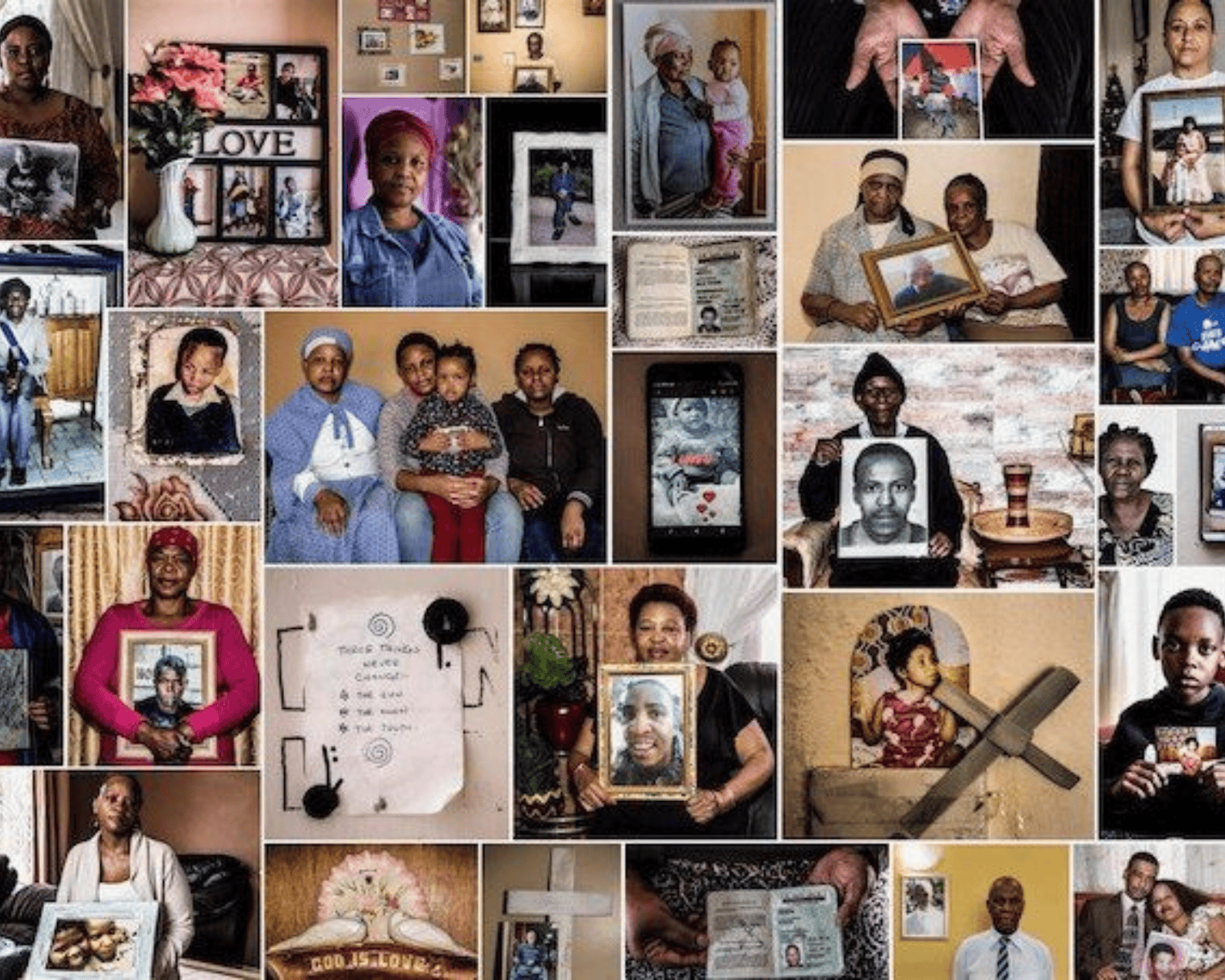
Behind the statistics – 144 lives lost and 44 others reported missing – are names, faces and shocking stories.
Mothers who never saw their loved ones return. Sisters who buried brothers in silence. Fathers who still clutch faded pictures.
Justice, if it is to mean anything, must speak to them first. For too long the state has treated this catastrophe as an administrative mishap.
Reports were written, hearings were held and compensation paid. But families know that justice cannot be reduced to paperwork.
They remember the phone calls that went unanswered, the bodies of those who starved, the indignity of being told their loved ones were “better off” in places that turned out to be death traps.
Justice must begin by acknowledging the humanity of those who died, not just the liability of those who signed the papers. Criminal charges are essential.
Former Gauteng MEC for health Qedani Mahlangu, former director of mental health care services Dr Makgabo Manamela and other senior officials must face trial. But justice is not only about punishment, it is about restoring dignity.
Families deserve to see the state admit, without evasion, that their loved ones were betrayed. They deserve memorials that honour the dead, not just court dates that drag on. They deserve to know that their pain has reshaped the system so no other family suffers the same fate.
Extensive reform must be written in human terms. It is not enough to tighten licensing rules or restructure oversight committees.
Reform must mean that every patient is treated with dignity. It must mean that mental health care is funded not as a line item but as a lifeline. It must mean that officials remember that behind every policy are fragile lives depending on their competence and compassion.
The Esidimeni case is not only about the past – it is about the kind of society South Africa chooses to be. Do we allow the poor, mentally ill, voiceless to be discarded when budgets tighten? Or do we insist that their lives carry the same weight as anyone else’s?
Justice must answer these questions with clarity. It must say: never again will the vulnerable be abandoned.
Never again will families be left to grieve in silence. Never again will officials gamble with people’s lives.
Families have carried the burden of grief long enough, now the nation must carry the burden of justice. And justice, if it is to heal, must be humanised. It must be felt in the courtroom, in the community and in the conscience of every South African.
Only then will the names of those lost in the Life Esidimeni tragedy be remembered, not as victims of neglect, but as catalysts for a country that finally learned to value every life.
Nearly 10 years later, the tragedy still asks us: what kind of society do we want to be? The answer cannot be found in legal documents alone. It must be written in compassion, in remembrance and in reform.
Justice must be more than a verdict – it must be a promise. A promise that the vulnerable will never again be abandoned. A promise that every life, no matter how fragile, will be cherished.
A promise that the pain of Life Esidimeni tragedy will not be in vain. Anything less is a betrayal.