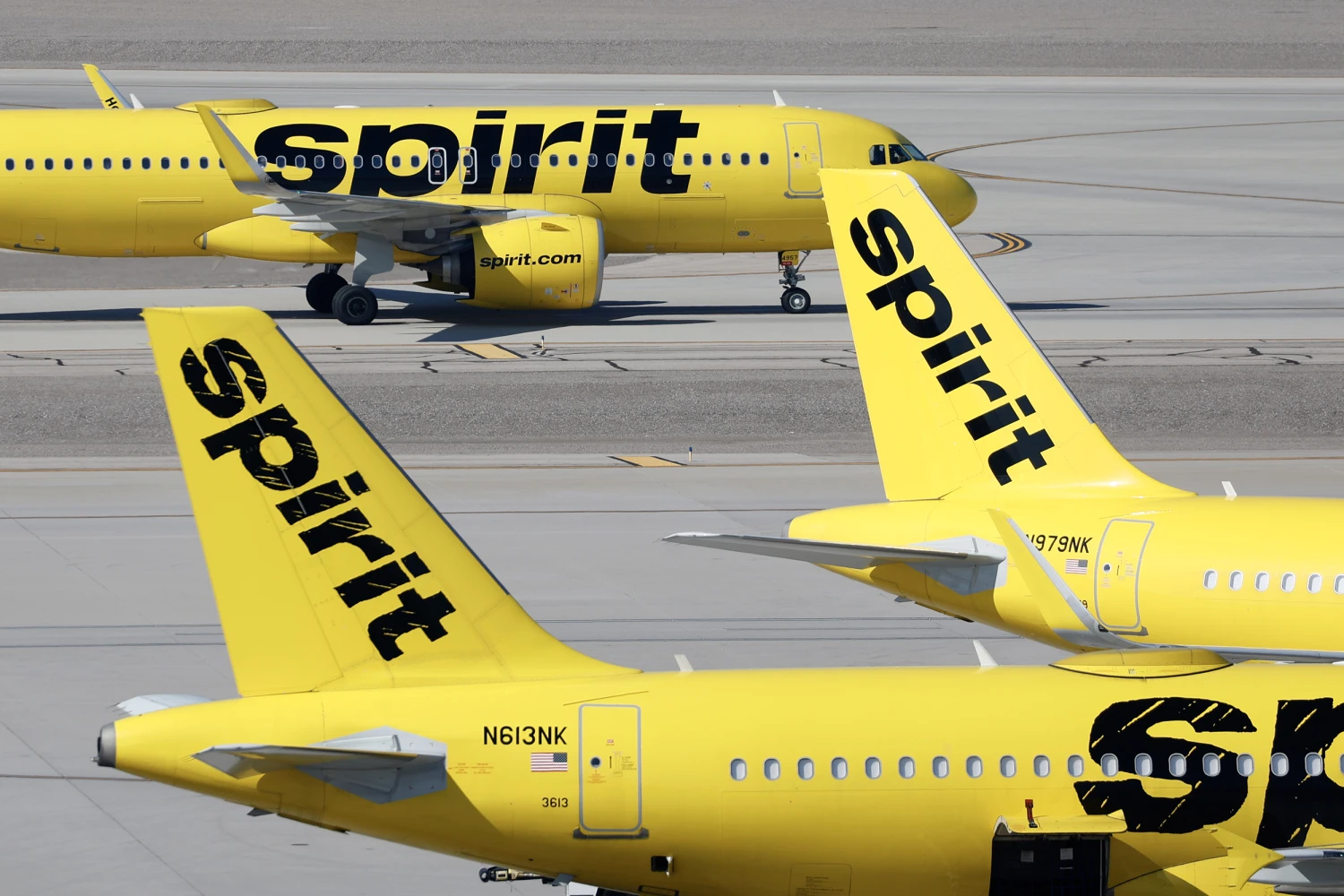
Rising jet fuel costs linked to tensions involving Iran forced Spirit Airlines to shut down, stranding passengers, threatening thousands of jobs, and derailing a proposed US government bailout.
The shutdown follows a sharp surge in jet fuel prices linked to tensions involving Iran, worsening the airline’s already fragile financial position. Industry estimates suggest about 15,000 jobs could be affected, including both employees and contractors, as operations come to an abrupt end.
Although Spirit had been grappling with financial instability prior to the crisis, the sharp increase in operating costs—particularly fuel, intensified its struggles and ultimately pushed the carrier beyond recovery.
The development also represents a setback for US President Donald Trump, whose administration had proposed close to $500 million support package aimed at keeping the airline operational. The plan failed to gain sufficient backing, facing resistance from lawmakers and financial stakeholders.
Transportation Secretary Sean Duffy confirmed that negotiations to rescue the airline broke down after key creditors declined the terms of the proposed bailout. Among those opposing the deal was Citadel, led by Ken Griffin, which raised concerns about how the arrangement would impact existing debt obligations.
Analysts say the situation underscores how geopolitical conflicts can ripple through global industries, with the aviation sector particularly vulnerable due to its dependence on fuel. Disruptions in major shipping corridors have continued to drive up costs, placing additional strain on airlines worldwide.
Efforts are ongoing to rebook affected travelers, while authorities and industry players assess the broader consequences of the airline’s sudden exit from the market.
By Ojo Triumph