The Director-General of the National Institute for Sports, Philip Shaibu, has unveiled a two-year plan aimed at addressing an estimated two-million coaching gap in Nigeria’s sports sector.
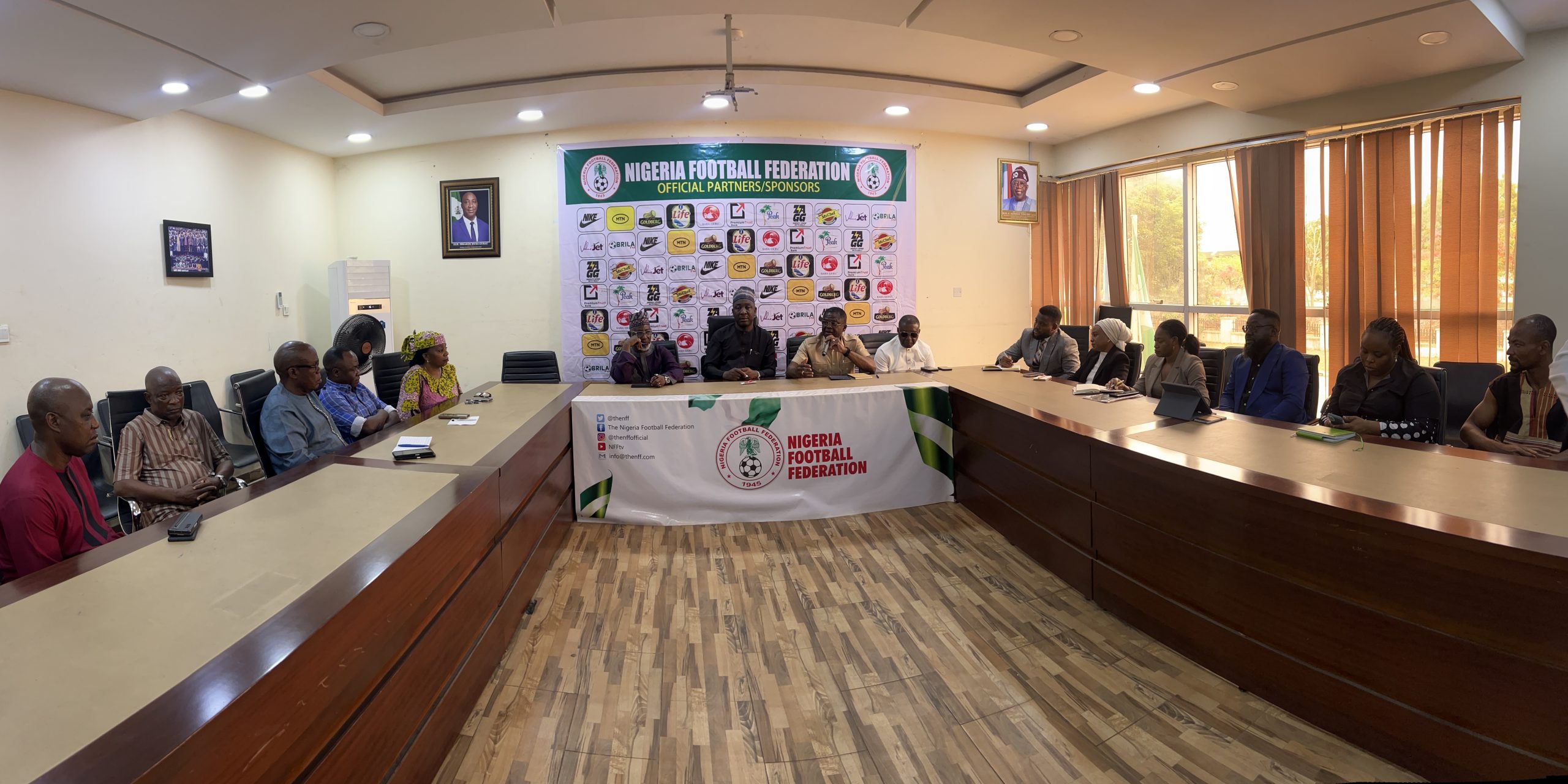
Shaibu disclosed this during a visit to the Nigeria Football Federation, where he also sought collaboration to drive reforms in coaching development nationwide.
According to him, a detailed study conducted by the institute revealed a significant shortage of qualified coaches across sports, which he described as a major constraint to growth and performance.
“If we can accomplish this as planned, it will be a complete turnaround for the coaching sector in our sports,” he said.
He noted that football dominates Nigeria’s coaching landscape, citing recent enrolment data at the institute where over half of newly admitted students were football coaches.
Shaibu also criticised the past state of the institute, stating that it had not lived up to its mandate before his appointment, but pledged to reposition it into a world-class centre modelled after leading global institutions.
As part of ongoing reforms, he said the institute is working with the National Universities Commission to introduce degree programmes, while expanding its reach through newly established zonal offices across the country.

In his response, the President of the NFF, Ibrahim Musa Gusau, expressed readiness to support the initiative, noting that the federation has prioritised coaching development through various certification programmes.
He highlighted recent efforts, including coaching courses and plans to secure approval for advanced licensing programmes under the Confederation of African Football (CAF).
Gusau also advised the institute to engage with relevant government stakeholders to broaden support for its initiatives.
The visit also served as a condolence call over the passing of former NFA chairman, Ibrahim Galadima, whom both institutions described as a respected leader in Nigerian sports administration.
The proposed collaboration is expected to strengthen coaching capacity, improve talent development, and reposition Nigeria’s sports sector for long-term growth.