PICTURES: The state of the world revealed in World Press Photo 2026 winners
The 2026 Contest winners are the best of the 57 376 photographs entered by 3 747 photographers from 141 countries. Here we bring you a selection of some of the award winning images.
Mr Wong cries out in anguish as fire engulfs the Tai Po housing complex he calls home. Moments earlier, he phoned his wife, who was trapped in the building, and they exchanged what would be their final words. Hong Kong, 26 November 2025. A massive fire at the Wang Fuk Court housing complex in Tai Po claimed 168 lives, becoming Hong Kong’s deadliest fire since 1948. While no official cause has been reported, investigations by Hong Kong authorities found that bamboo scaffolding, construction netting, and flammable Styrofoam boards on windows acted as accelerants for the fire, trapping residents inside. More than 2,000 firefighters were involved in rescue efforts, killing one and injuring twelve. Picture: Tyrone Siu, Reuters
World Press Photo has announced the winners of the 2026 World Press Photo Contest, connecting the world to the stories that matter by presenting the outstanding work of photojournalists and documentary photographers from across the globe.
Local lensmen Halden Krog and Ihsaan Haffejee were among the winners recognised for their efforts.
Pictures courtesy of World Press Photo.
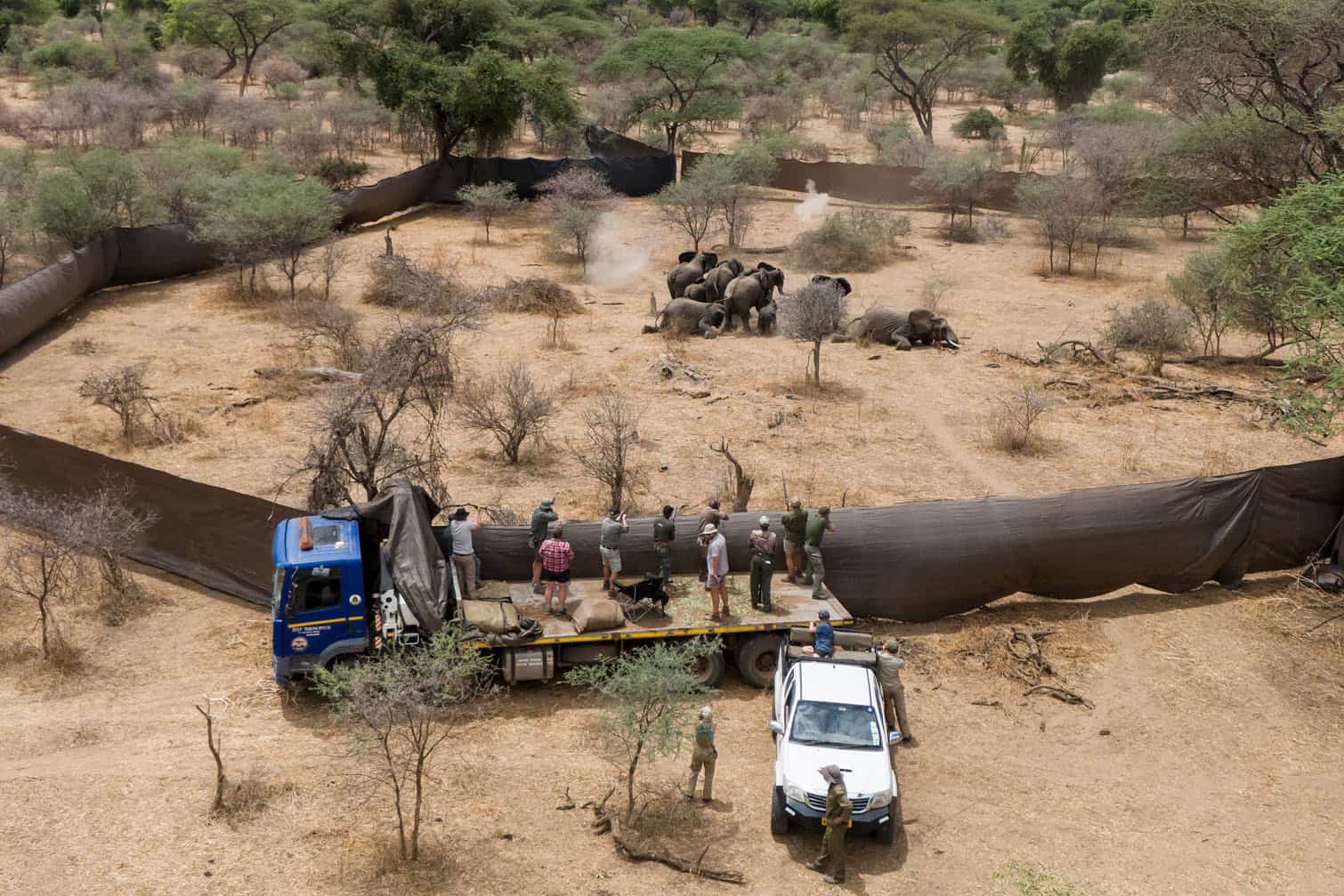
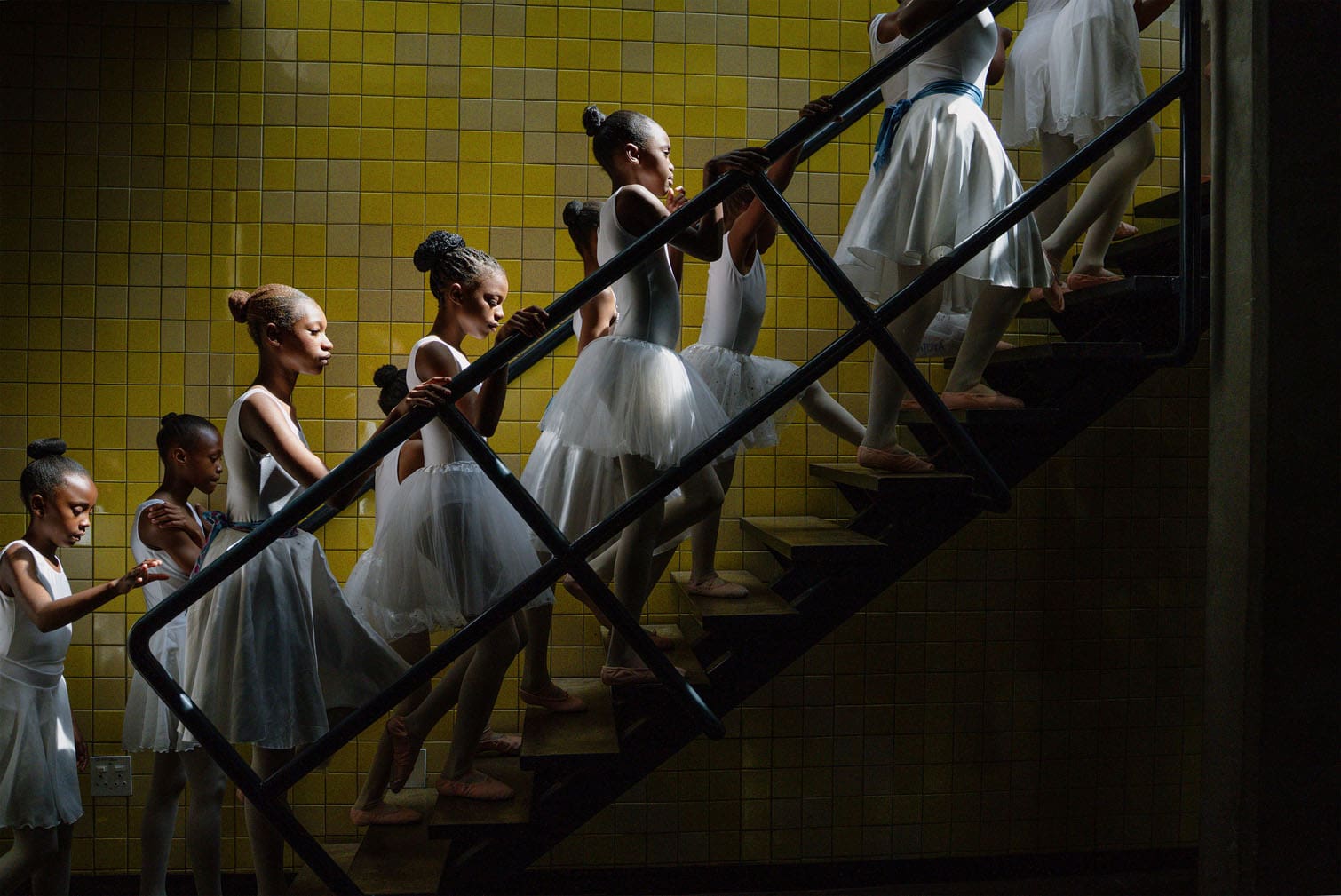
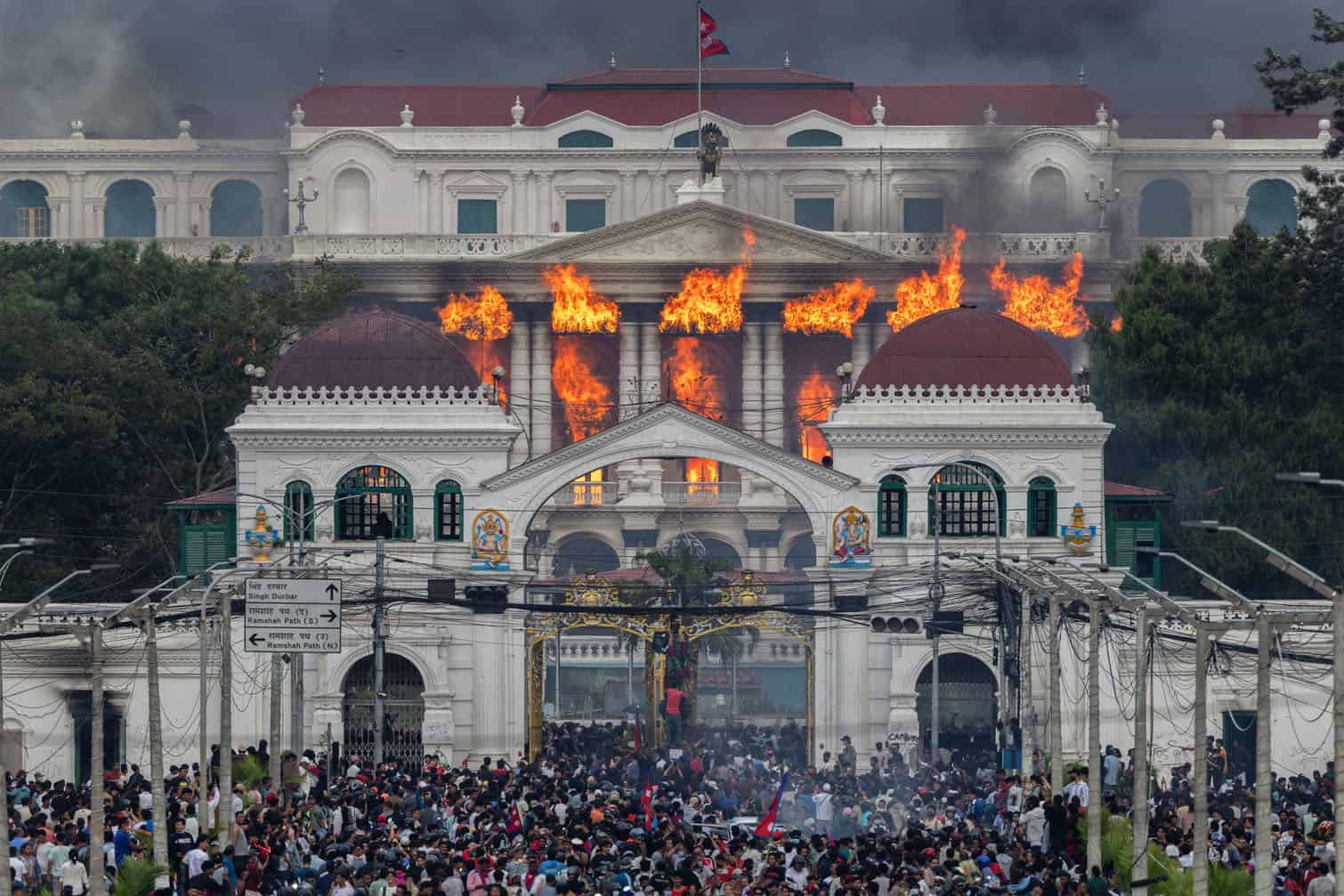
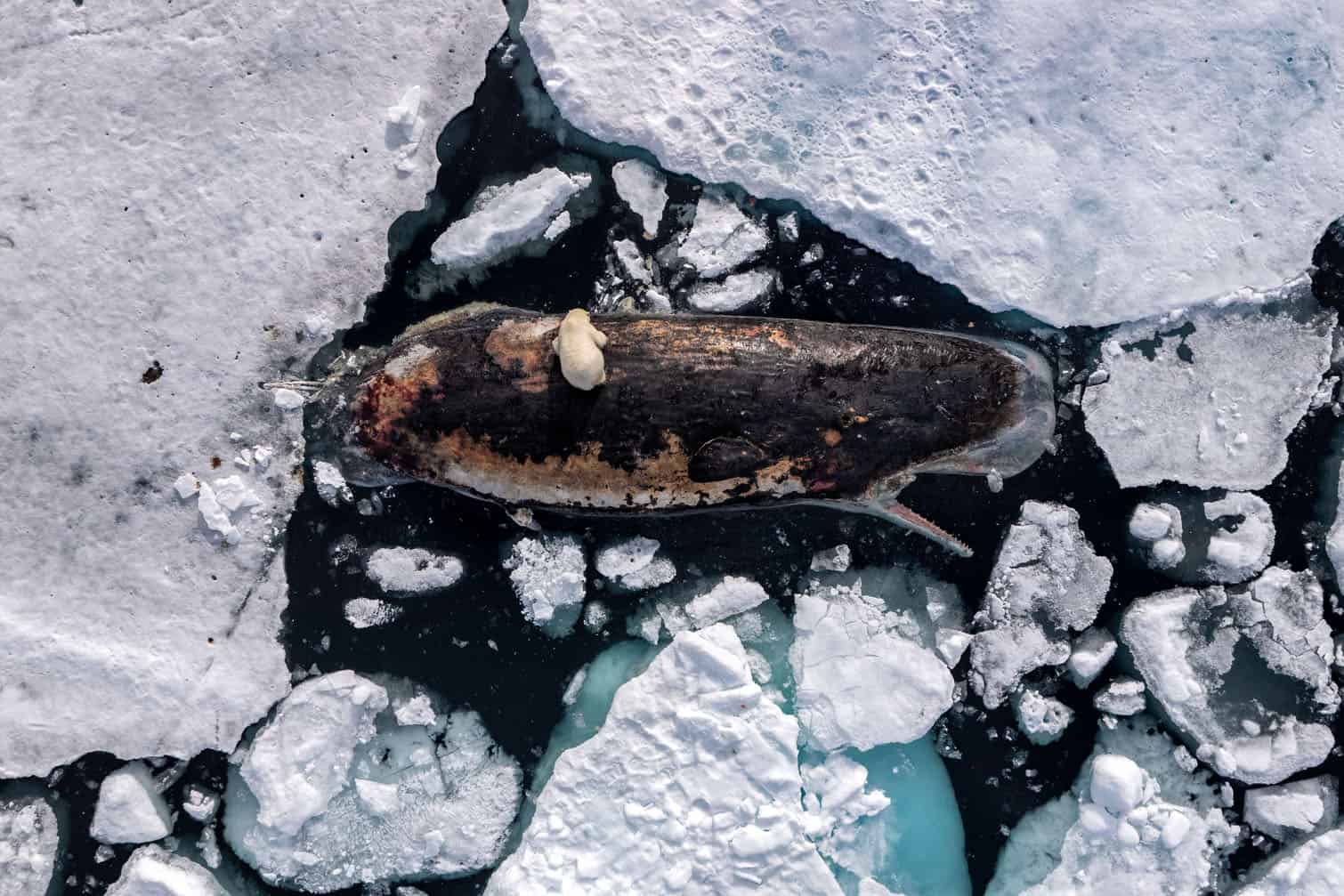
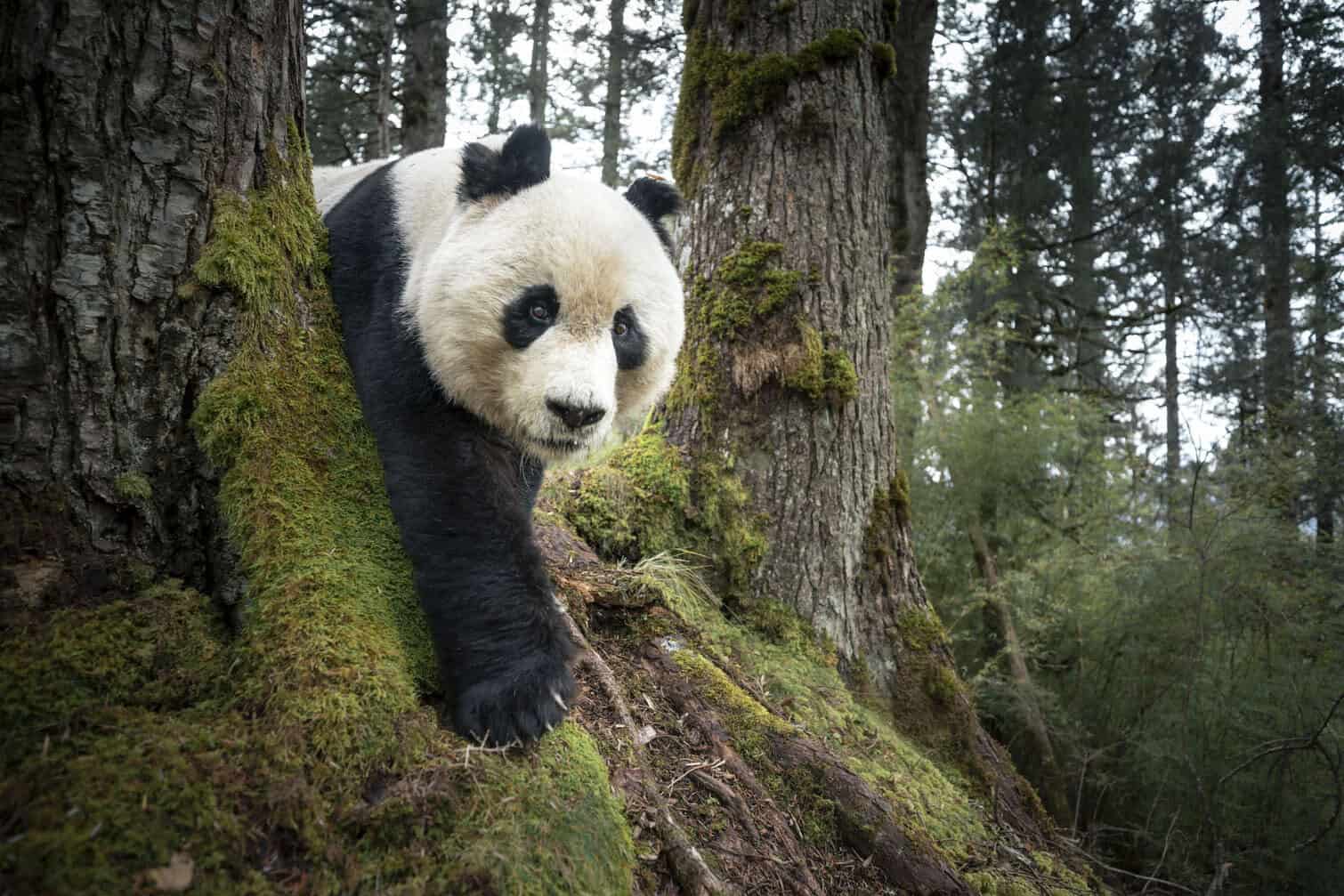
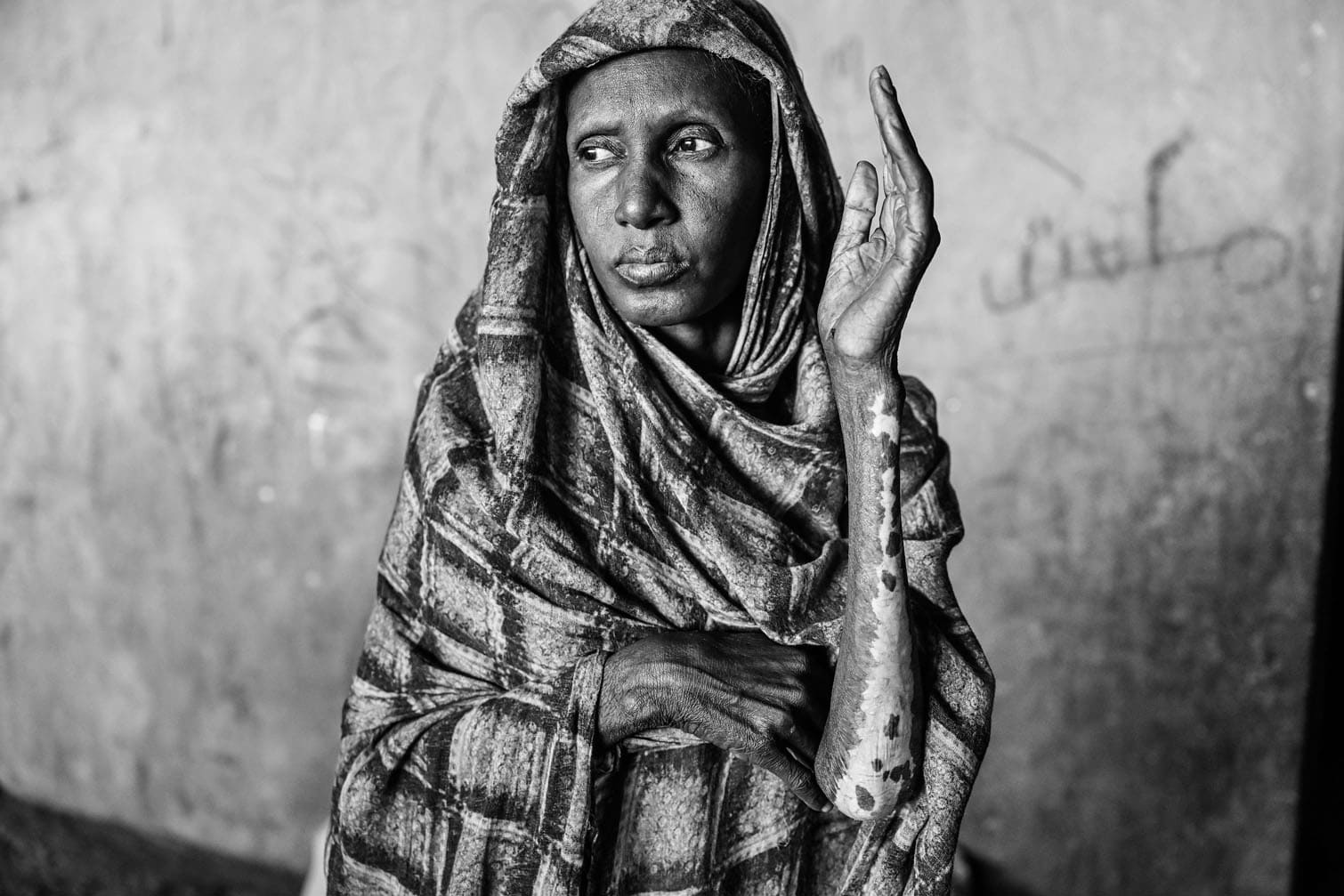
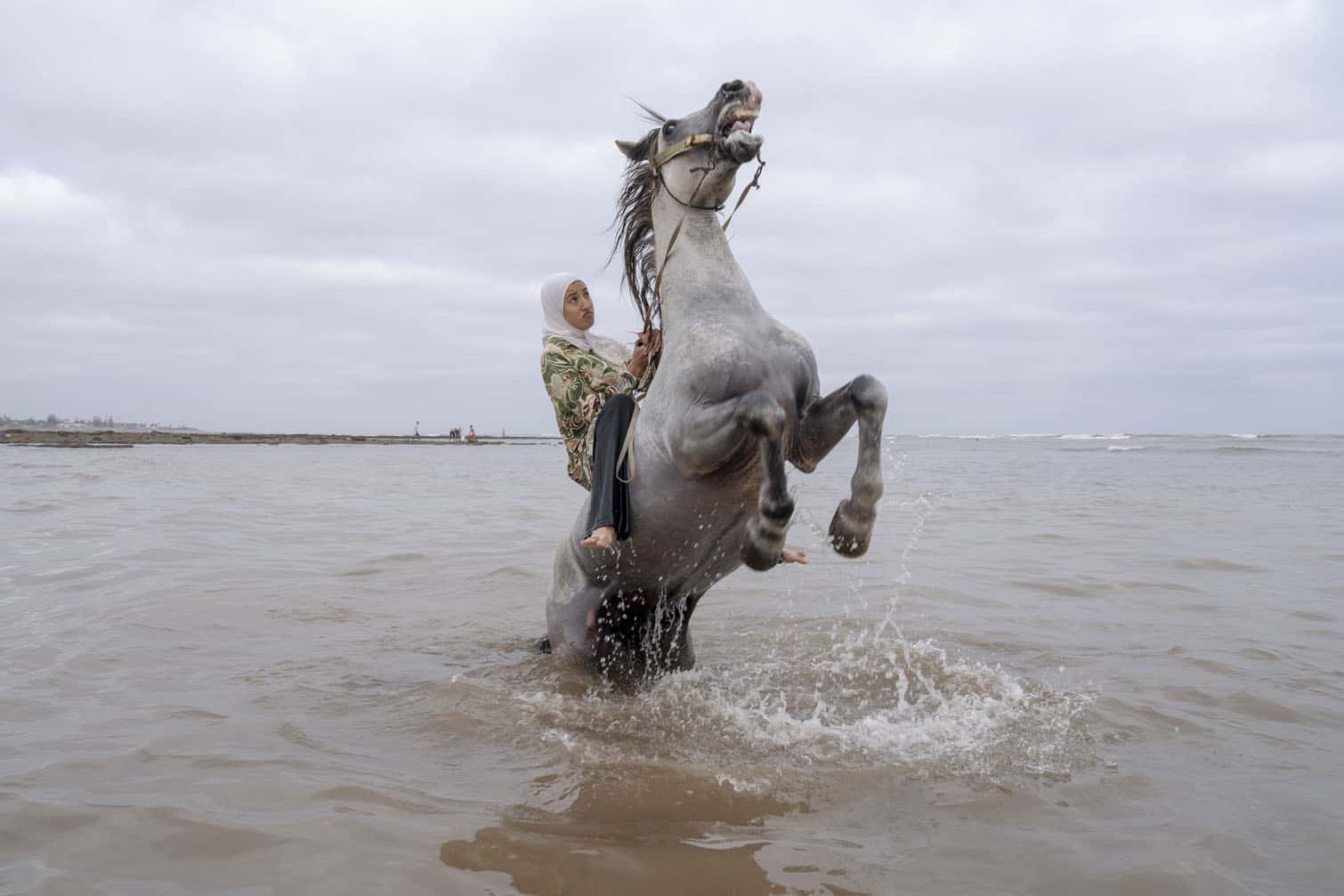
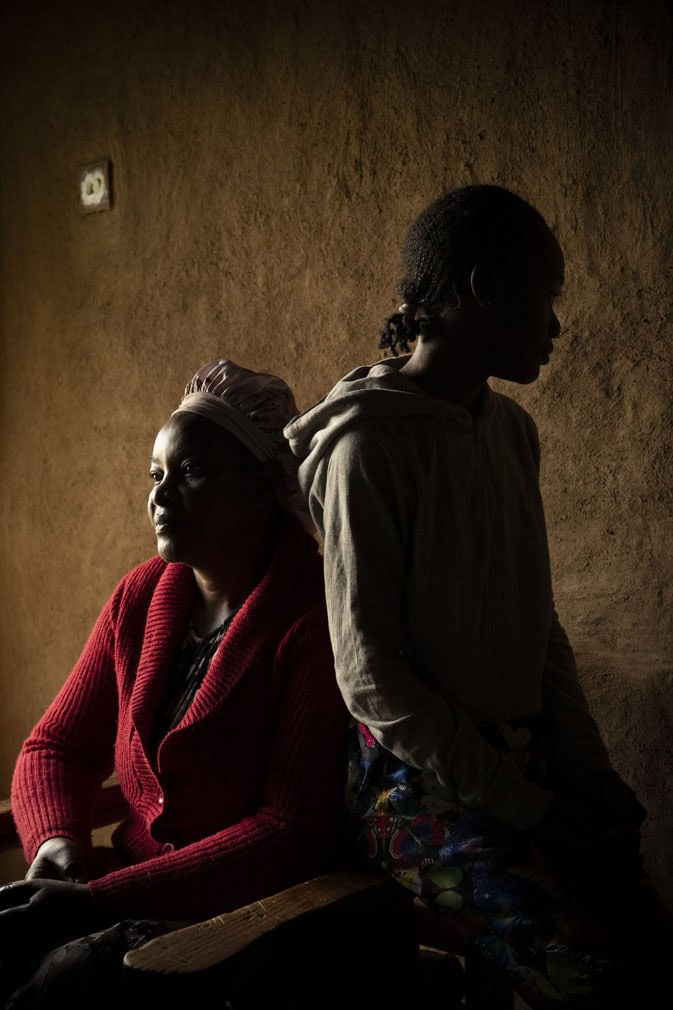
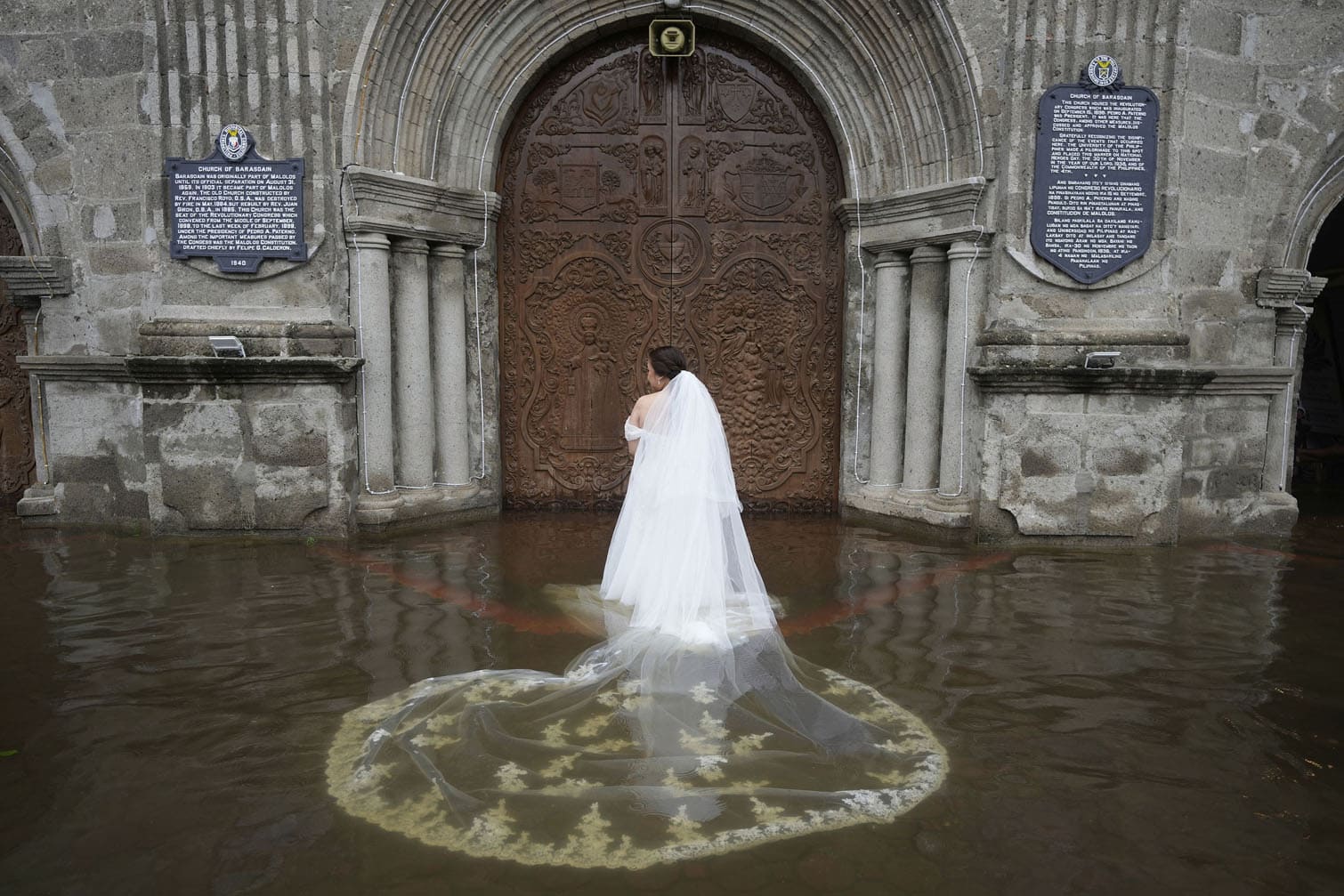
Professional hunters shoot a family of elephants identified for culling. Sango Wildlife Conservancy, Savé Valley Conservancy, Zimbabwe, 23 October 2025. In 2025, the government of Zimbabwe authorised the culling (killing for the purpose of population control) of 50 elephants in the Savé Valley Conservancy. This decision followed a 2024 cull of 200. Authorities say the growing population has surpassed what the land can sustain, worsening human-wildlife conflict as drought drives elephants searching for food and water into closer contact with people. Wildlife organizations dispute claims of overpopulation and condemn culling. They have raised concerns including the fracturing of elephant social structures, and the trauma inflicted on surviving animals, which could increase aggression toward humans. Picture: Halden Krog, for Daily MailYoung dancers from the Joburg Ballet School backstage at the Soweto Theatre during their year-end performance. Soweto, South Africa, 7 December 2025. The photographer explains: “In apartheid South Africa, ballet was the preserve of white culture, inaccessible to people of color. Today, the Joburg Ballet School offers subsidized training to children from historically disadvantaged backgrounds, with locations in Soweto, Alexandra, and Braamfontein. Parents describe seeing their children learn ballet as something they never thought possible.” Picture: Ihsaan Haffejee, for GroundUpFire and smoke engulf Singha Durbar after protesters stormed and set the government complex alight during violent demonstrations. Kathmandu, Nepal, 9 September 2025. A government ban of 26 social media platforms on 4 September 2025 was the breaking point for Nepal’s youth. On 8 September, thousands took to the streets, part of a generation of young people around the world refusing to accept systems that perpetuate corruption, unemployment, and economic hardship. Within two days, 76 people were dead, most of them young demonstrators killed by police. Thousands more were injured. On 9 September, following Prime Minister KP Sharma Oli’s resignation, protesters stormed and set fire to Singha Durbar, the historic complex at the heart of Nepal’s government. Picture: Narendra Shrestha, EPA ImagesA female polar bear feeds on a sperm whale carcass in the polar pack ice north of the Norwegian archipelago, Svalbard. 82° North, International Waters, 8 July 2025. Polar bears are primarily seal predators, but as ice retreats in the summer and hunting becomes harder, they increasingly rely on opportunistic scavenging. Near Svalbard, the ice-free season has lengthened by 20 weeks in the last 30 years. Sperm whales typically avoid ice-covered polar waters, so this carcass was a rare sight. Scientists speculate that after dying, the male sperm whale drifted north, carried by winds and currents. The photographer spent two days observing the scene from a small boat, capturing it by drone to reveal a scale difficult to grasp from sea level. Picture: Roie GalitzA wild giant panda is captured by a camera trap in the Wanglang National Nature Reserve. Sichuan, China, 11 November 2025. Recent population estimates suggest that fewer than 2,000 pandas remain in the wild, and only a few dozen individuals live within Wanglang National Nature Reserve’s 323-square-kilometer territory. This rare sighting was made possible through a pilot exchange program between the National Geographic Society and wildlife biologists, aimed at supporting wildlife monitoring efforts and fostering cross-cultural cooperation in conservation. Established in 1965, Wanglang is one of China’s oldest wild panda nature reserves and today serves as a key site for education and scientific research collaboration within the larger Giant Panda National Park system. Picture: Rob G. Green, National Geographic Society, Henry Luce FoundationAlhaja Abdallah, a displaced woman from Bara, shows her scars from a fire at Al-Mohad camp. Paramilitary forces have set multiple displacement camps ablaze. El-Obeid, Sudan, 10 December 2025. This image is part of a series. After a 2019 revolution overthrew decades of dictatorship, Sudan’s democratic hopes were crushed by a military coup in 2021. Two years later, the army and paramilitary forces turned on each other, beginning a war that has spiraled into one of the world’s worst humanitarian crises. As famine spreads and essential services collapse, foreign powers continue to fuel the conflict with weapons. Over 13 million people have been displaced, and at least 150,000 killed. The UN reports that civilian killings more than doubled in 2025 compared with the previous year. Picture: Abdulmonam Eassa, for Le MondeGhita Jhiate manages her unruly stallion. Long forbidden by her father to participate in Tbourida, she finally realized her dream of riding alongside pioneer Zahia Aboulait in 2025. Sidi Rahal, Morocco, 6 August 2025. This picture is part of a series. Tbourida is a UNESCO-recognized Moroccan equestrian tradition dating back to the 16th century. Troupes gallop in unison, firing rifles in a choreographed performance of cavalry warfare. Historically excluded, female riders have fought for inclusion since Morocco’s 2004 family code reforms strengthened women’s legal rights. Today, seven all-female troupes now ride among some 300. These farīsāt (horsewomen) bear significant personal costs, funding their own horses, costumes, and gunpowder permits. Their perseverance stands as a powerful claim to women’s rightful place in Moroccan cultural heritage. Picture: Chantal Pinzi, Panos PicturesEdith Magomere Ingasiani and her daughter Blessings Iminza (9), at their home. Blessings was born in Saudi Arabia without a birth certificate. Vihiga County, Kenya, 30 August 2025. Tens of thousands of Kenyan women migrate to Saudi Arabia for domestic work, where many endure abusive conditions, including passport confiscation and withheld wages. While working there, Edith Magomere Ingasiani hid her pregnancy; unmarried women who give birth risk arrest. She delivered her daughter Blessings alone in January 2016, raising her in the shadows for years. When Edith tried to return home to Kenya, Blessings’ lack of documents trapped them in bureaucratic limbo. In 2024, they finally made it back. “Home is always the answer,” she says. “It took eight years to get there.” Picture: Kiana Hayeri, for The New York TimesBride Jamaica Aguilar prepares to enter the flooded Barasoain Church for her wedding. The Barasoain Church, a national landmark, is situated in a region where nearly 75% of the population is exposed to flooding hazards. Malolos, Bulacan province, Philippines, 22 July 2025. This picture is part of a series. When Typhoon Wipha hit the Philippines and flooded Barasoain Church, Jade Rick Verdillo and Jamaica Aguilar faced a difficult decision: should they cancel their wedding or proceed with the marriage? The couple carried on despite high waters, a testament to love and resilience in the face of severe weather. Located on a delta, Bulacan province is vulnerable to more frequent and extreme floods caused by aging drainage systems, dredging projects, overextraction of groundwater, and climate change. Picture: Aaron Favila, Associated Press