Former presidential candidate questions how trillions in loans were spent as Nigeria’s debt profile approaches ₦200 trillion……
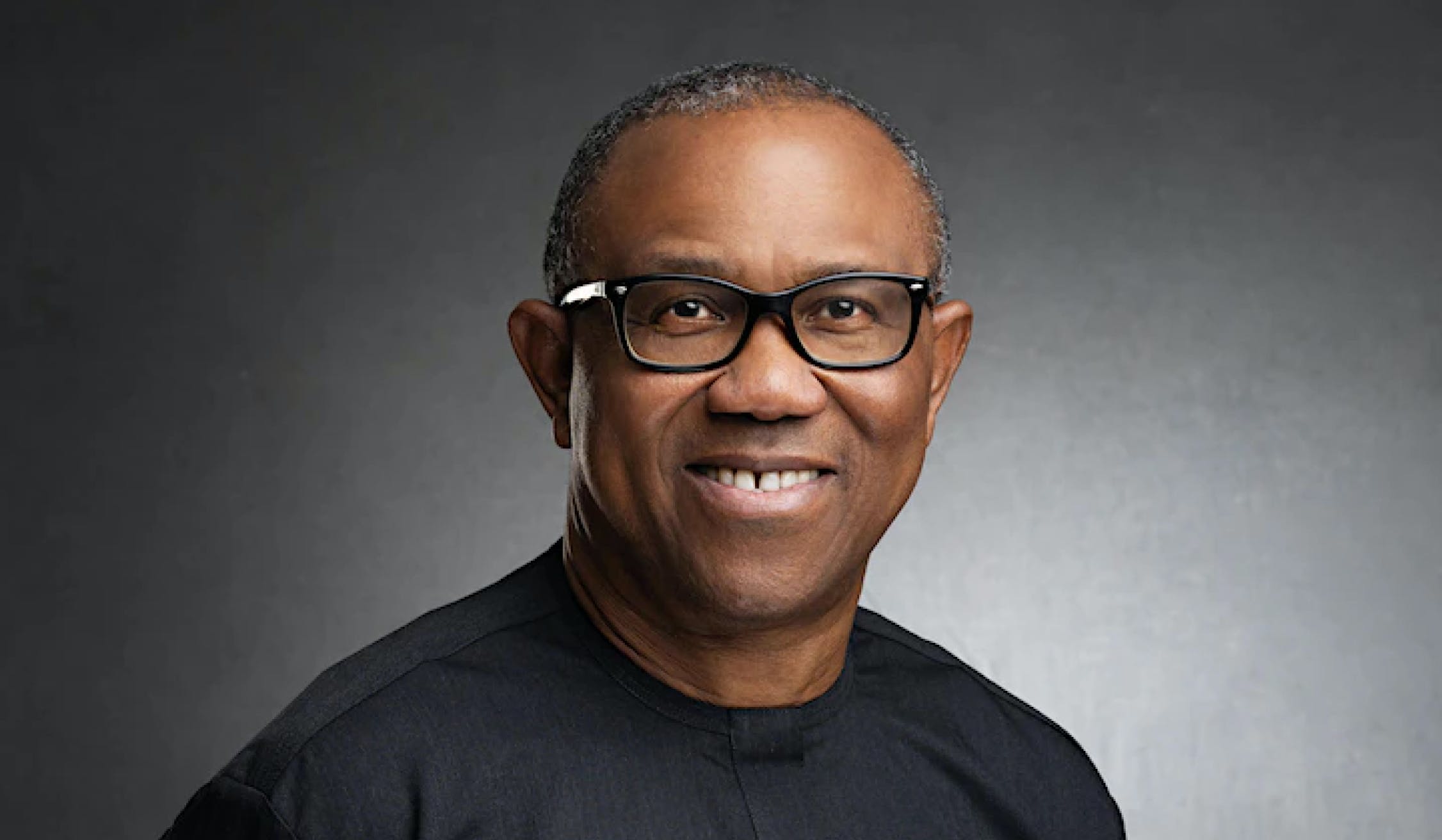
Former presidential candidate Peter Obi has launched a fresh attack on the administration of President Bola Tinubu, accusing the Federal Government of reckless borrowing and failing to provide Nigerians with clear explanations on how borrowed funds are being utilised.
Obi, who contested the 2023 presidential election, expressed concern over Nigeria’s rapidly expanding debt profile, claiming the country’s total public debt has climbed to nearly ₦200 trillion under the current administration.
In a statement released on Tuesday, the former Anambra State governor argued that the pace of debt accumulation under Tinubu raises serious questions about fiscal discipline and transparency in public finance management.
According to Obi, Nigeria’s debt burden has increased by more than ₦100 trillion within the past three years, a figure he said far exceeds the level recorded during the administration of former President Muhammadu Buhari.
He warned that the country’s growing dependence on borrowing could worsen economic challenges already confronting citizens, including inflation, rising living costs, and declining purchasing power.
“The level of debt accumulation is alarming and requires urgent explanations from government,” Obi said, insisting that Nigerians deserve to know how borrowed funds are being deployed.
The former Labour Party presidential flagbearer cited Budget Office figures showing that the Federal Government borrowed approximately ₦11.89 trillion between January and September 2025, exceeding its planned borrowing target of ₦10.34 trillion for the period.
He argued that such a significant deviation from budget projections should ordinarily trigger scrutiny from relevant oversight institutions and attract public explanations from government officials.
Obi further questioned the allocation of the borrowed funds, noting that only a fraction of the amount was reportedly directed toward capital expenditure during the period under review.
According to him, around ₦3.10 trillion was allocated to capital projects, leaving a substantial gap between total borrowing and spending on infrastructure and development initiatives.
He challenged the government to provide a detailed account of how the remaining funds were utilised, describing the situation as a major transparency concern.
The former governor also suggested that greater accountability is needed in the management of public resources, especially at a time when many Nigerians are facing economic hardship.
His comments come amid ongoing debates over the Federal Government’s economic reforms, including the removal of fuel subsidies and the unification of the foreign exchange market.
While the Tinubu administration maintains that its borrowing strategy is necessary to finance infrastructure development, support economic reforms, and address fiscal pressures, critics argue that rising debt levels could create long-term sustainability challenges if not matched by corresponding economic growth.
The concerns have gained prominence as debt servicing costs continue to consume a significant portion of government revenue, prompting calls from economists and policy experts for greater transparency, improved revenue generation, and more efficient public spending.
With Nigeria’s debt profile remaining a major issue in the national economic conversation, Obi’s latest remarks are likely to intensify scrutiny of the government’s borrowing plans and fiscal management strategy ahead of the 2027 election cycle.