Something needs to be done to protect elite road runners in this country.
It’s not unusual for athletes competing on the local circuit to wait longer than they should to receive prize money, but the situation is getting completely out of hand.
In 2024, the Mpumalanga Marathon offered a record R1 million prize to the winners, and athletes sacrificed other races to participate in the event, most notably Ethiopia’s Tadu Nare who turned down a guaranteed appearance fee of more than R700 000 at the Sydney Marathon.
And though Nare won the Mpumalanga race, nearly two years later she still hasn’t received her cheque. Neither has Jobo Khatoane of Lesotho, who won the men’s race.
While governing bodies told the organisers they would be banned from putting on another event until the situation was resolved – service providers were also not paid – it doesn’t really help the athletes whose hands are now tied in trying to get what’s owed to them.
When the Mpumalanga Marathon was first launched, it seemed too good to be true, and after failing to live up to their promises, the event organisers saw the race collapse quicker than it got off the ground.
However, for one of the country’s most popular and historic races to now be leaving athletes in the lurch is a surprise, and it raises concerns about the protection of professional runners.
Soweto Marathon
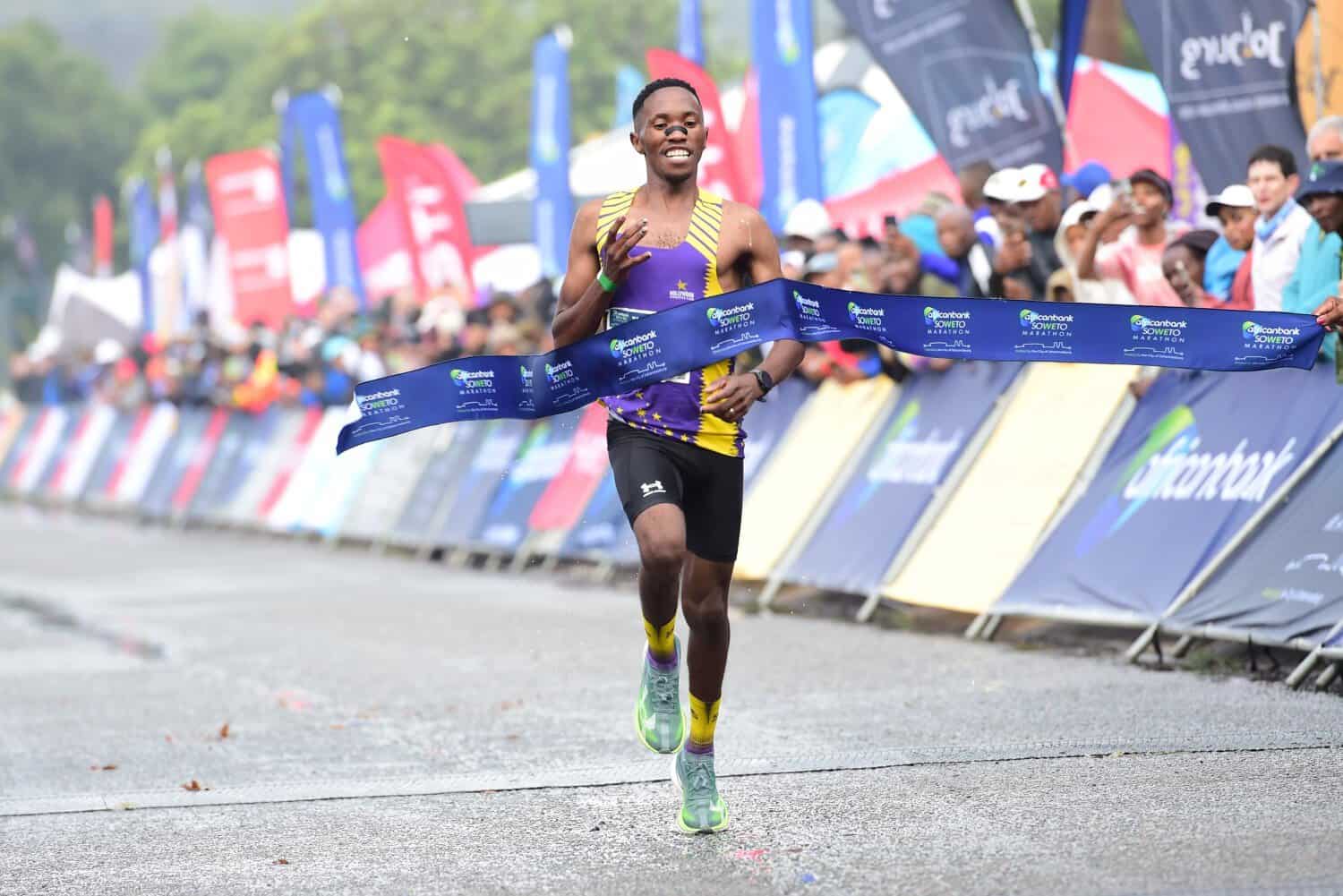
Almost five months after the 2025 Soweto Marathon was held, prize winners have still not been paid, with multiple people speaking out about the issue, including South African ultra-distance queen Gerda Steyn.
The race was already in hot water in the road running community due to multiple issues in recent years which have threatened to derail it completely, and the latest controversy won’t gain them any favours. Nor does it look good on the headline sponsor.
Athletes should be paid the prize money they have been promised as soon as the results of anti-doping tests have been released. They certainly shouldn’t be waiting indefinitely to receive the income they need to feed their families.
To be clear, Athletics South Africa is not responsible for athletes not being paid. That responsibility rests with event organisers.
But if this issue is going to continue to be a problem, perhaps measures need to be put in place by the national federation and its provincial members (which sanction events) to guarantee that races have the means to pay the athletes.
Just telling professional athletes they must wait, or not paying them at all, is unacceptable. Something needs to be done.