Screenshot
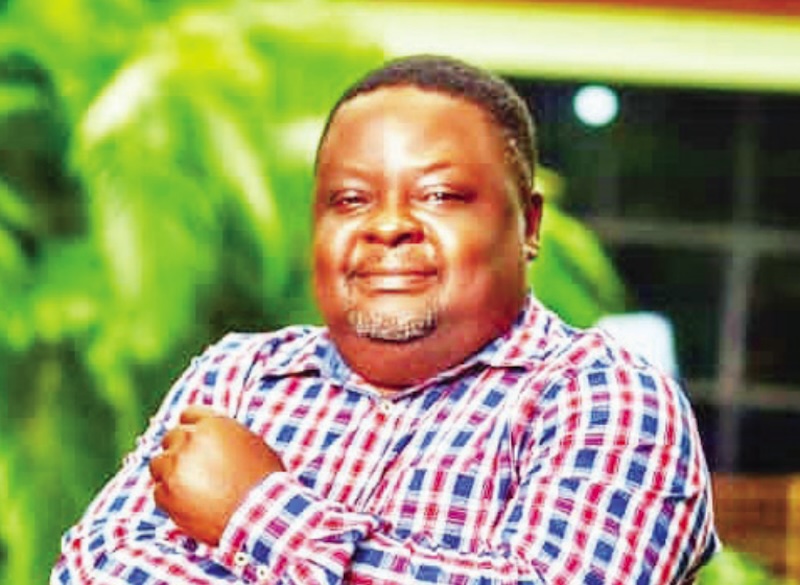
Scientist Dr ANDREW KIGGUNDU, who last month tragically died after falling off a ladder as he repaired a dysfunctional water system on his house roof, was a hugely influential person in the medical and research profession with dozens of works that helped build the foundation of Uganda’s molecular biology.
As Geofrey Serugo writes, the fraternity is struggling to replace his skills. Born 57 years ago, the globally celebrated scientist, a South African-trained molecular biologist, elicited so much love and admiration in life and death.
At his burial, speaker after speaker eulogised him for his great scientific feats and achievements. Perhaps the sharpest eulogies came from Robert Sebunya, the former MP of Nansana municipality, who now heads the Government Delivery Unit in the Office of the Prime Minister (OPM), and that of Dr Yona Baguma, the director-general of the National Agricultural Research Organisation (Naro).
Said Sebunya: “Fellow mourners, did you know that this man now lying here breathlessly is the key scientist renowned worldwide for his prowess in having solved the ferocious banana bacterial wilt (BBW) and cassava brown streak disease (CBSD) pestilences that are sweeping through banana and cassava plantations like wildfire!
… And all of us were helpless, but it was Dr Kiggundu who, using his rare genetic engineering skills and techniques, successfully diagnosed the cause of the wilt and used the same rare techniques to identify ways to tackle the bacterial and viral infections in all banana and cassava varieties when the world was at a standstill, and he got the genes that effectively fight the wilt and the streak that are a huge menace across sub-Saharan Africa and the banana- and cassava-growing countries of the Great Lakes region.”
Sebunya unequivocally took a swipe at opponents of the science of genetic engineering, particularly non-scientists, for their loud anti- GMO stance that led to politicians’ misgivings and cold feet to legislate for the introduction of Genetically-Modified (GM) crops which are products of Andrew Kiggundu’s relentless genetic engineering work of a quarter of a century.
Sebunya took a similar swipe at government for what he described as “failure to adequately facilitate and protect scientists like Kiggundu and their cutting-edge scientific work, recognise it and legislate conducively to have their products released to farmers to benefit a wider world beyond Uganda, where the challenges Andrew had in mind to control do exist!
He called on government and the public to let scientists do their work without undue influence and disturbance. Literally meaning that he was unhappy with the government for having failed to adequately cater to agricultural scientific research work and protection of intellectual property (IP) of scientists’ inventions/ discoveries.
“I will not spare the government on these inadequacies,” Sebunya added!
He attributed Dr Kiggundu’s PhD training in South Africa and that of Dr Baguma to efforts of his father [the late Dr Israel Kibirige Sebunya, who died in 2003 when he was Agriculture State Minister but served as director of the Kawanda- based National Agricultural Research Laboratories (NARL) when he pushed Kiggundu and Baguma to go for further training to attain PhD qualifications].
“It was my father, who was their boss at Kawanda before he became minister, who strongly encouraged these two scientists to attain PhDs. Most Ugandans, especially those from Buganda, easily get satisfied with little things like money and don’t pursue further studies. But Dr Kibirige Sebunya pushed them out of Kawanda to go and acquire higher skills in biotechnology.”
In his eulogy, Dr. Baguma thanked the late Kiggundu for his immense work in zoology and botany by characterising plants and isolating genes that introduced resistance in crops against virulent pests and diseases and a rapidly changing climate.
“Dr Kiggundu was such a wonderful personality who helped Naro handle what were previously unmanageable situations. Naro faced significant challenges due to severe crop and animal diseases and pests. But when I first met Dr. Kiggundu, he had high qualifications in molecular biology with which to tackle complicated cases of viral, fungal, and bacterial diseases,” he said.
“Over the past 20 years, these issues have been resolved, thanks to Dr Kiggundu and other scientists acquiring advanced skills and techniques to manage them.”
The last assignment to be successfully handled by Dr Kiggundu was the research and development of a vaccine that controls East Coast Fever (ECF) in livestock.
The vaccine is slated to save an annual loss of Shs 3 trillion in cattle that die from the killer East Coast Fever (ECF) infections spread by a notorious brown ear tick pest. Dr Kiggundu and a team of scientists working at the National Livestock Resources Research Institute (NALIRRI) invented the remedy at Nakyesasa near Namulonge, in Wakiso district.