Trump extends ceasefire but maintains Hormuz blockade, leaving investors cautious amid uncertain peace prospects…..
Oil prices edged lower on Wednesday while global stock markets delivered a mixed performance, as investors weighed the fragile state of potential talks between the United States and Iran.
At the center of attention is Donald Trump, who made a last-minute decision to extend a temporary ceasefire with Tehran, even as he upheld a controversial blockade of the strategically critical Strait of Hormuz.
The move came just hours before the truce was due to expire. Trump said the extension would remain in place indefinitely, giving Iran’s leadership more time to organize and submit a formal proposal for negotiations. The decision followed a request from Pakistan, which has been acting as a mediator in the standoff.
Despite pausing fresh military action, the continued blockade has kept tensions simmering. The waterway, a vital artery for roughly a fifth of the world’s oil supply, remains a major sticking point between both sides.
The lack of a clear breakthrough left traders hesitant. Oil benchmarks, which had surged in the previous session, reversed course, reflecting uncertainty about the next phase.
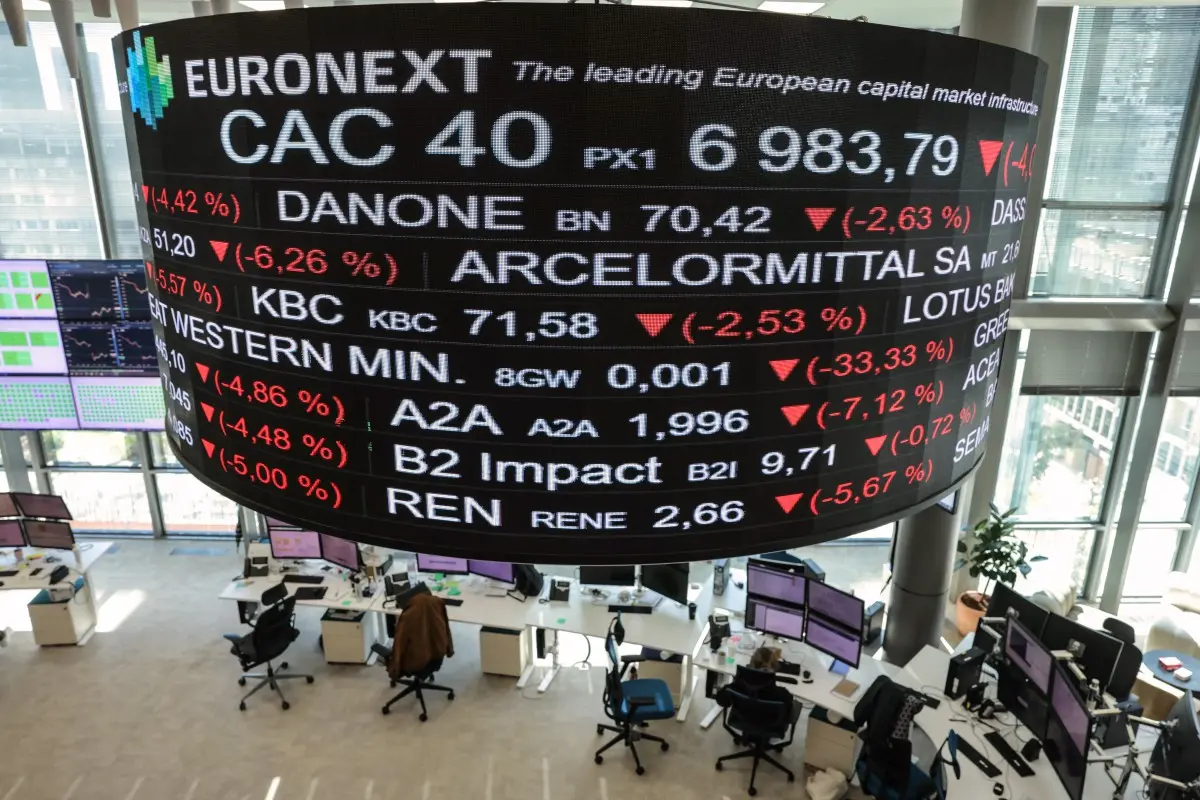
Equity markets mirrored that indecision. Across Asia, trading floors painted a mixed picture, Hong Kong, Sydney, and Mumbai slipped, while Tokyo, Shanghai, and Seoul managed modest gains. European markets opened slightly higher, shrugging off concerns even as inflation data in the UK came in hotter than expected.
The uneven performance highlights a broader theme: markets are struggling to find direction as geopolitical risks clash with cautious optimism.
Efforts to bring both sides to the negotiating table appear increasingly fragile. A planned visit by Vice President JD Vance to Islamabad was put on hold, pending signs of progress from Tehran.
Iran, however, has pushed back, citing what it described as unrealistic demands from Washington. Reports from local media suggest there are currently no concrete plans for officials to attend talks.
Analysts say both sides may be attempting to gain leverage before making any meaningful concessions. The result is a tense waiting game that has left investors wary.
Crude prices have been volatile since the conflict began, reacting sharply to each new headline. While recent fluctuations have been significant, prices have so far remained below the psychologically important $100 mark.
Still, the risk of a sudden spike remains. Any breakdown in talks or escalation in the region could quickly push prices higher, with ripple effects across global markets.
At the same time, earlier signals from Tehran about reopening the Hormuz passage briefly lifted sentiment, only for that optimism to fade after conflicting developments involving US enforcement actions.
Beyond geopolitics, investors are also closely watching developments in Washington’s financial leadership. Kevin Warsh, nominated to replace Jerome Powell, faced lawmakers in a confirmation hearing that touched on central bank independence.
Warsh sought to reassure markets, emphasizing that monetary policy decisions would remain free from political pressure. His remarks come amid repeated criticism from Trump, who has pushed for more aggressive interest rate cuts.
For now, markets remain in a holding pattern. Investors are balancing the hope of a diplomatic resolution against the risk of renewed conflict.
Oil’s pullback and the mixed performance in equities reflect that tension. There is no clear trend, only a cautious pause as traders look for stronger signals.
Until there is a definitive shift whether through a formal agreement or renewed escalation, markets are likely to remain sensitive, reactive, and searching for direction.