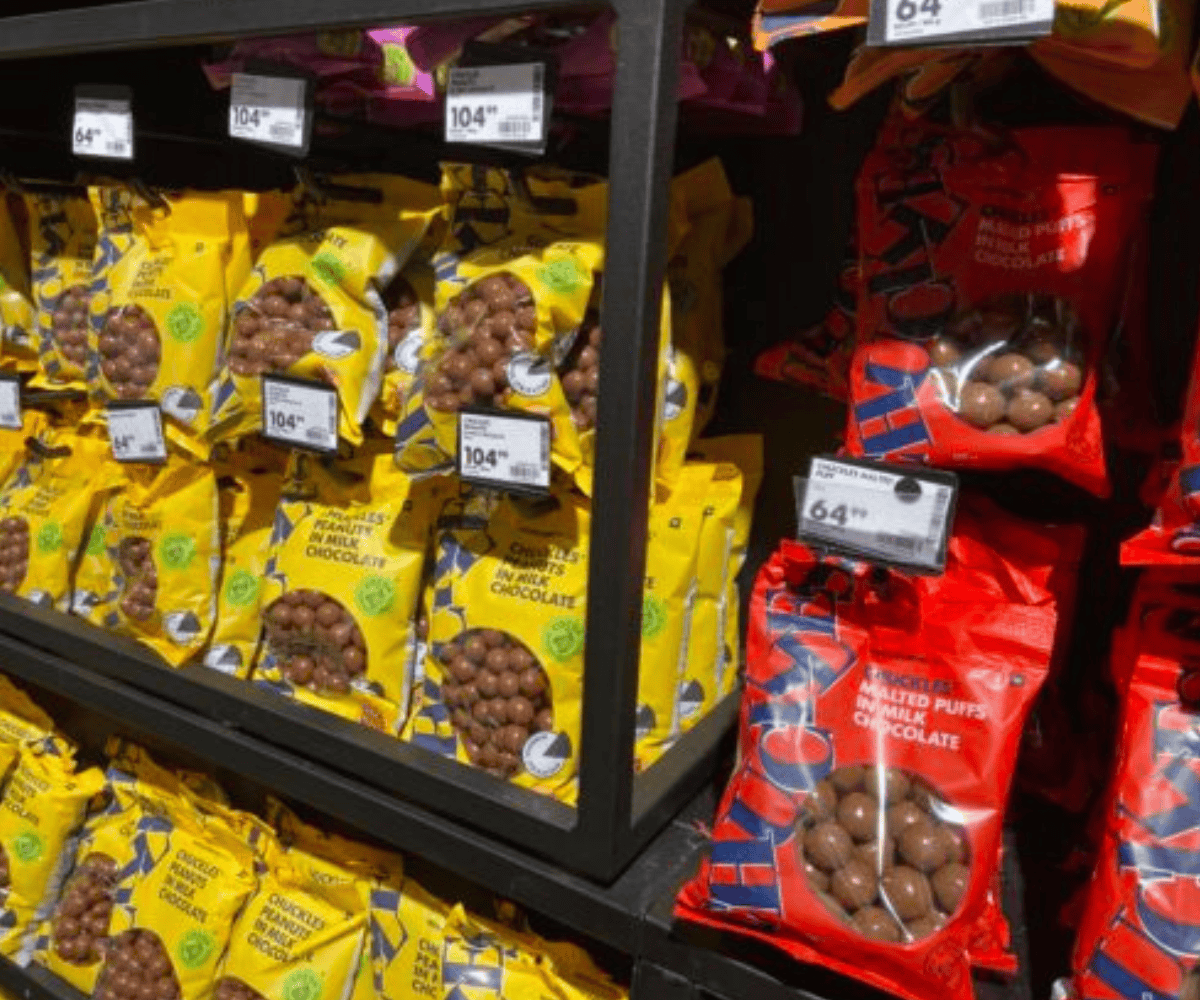
The liquidation of Beyers Chocolates has escalated into a bruising public battle over exclusivity, supplier dependence and the power large retailers wield over businesses built around them over decades.
While Woolworths CEO Roy Bagattini defended the retailer’s conduct in recent interviews, chocolatier Kees Beyers continues to fight for the business he had and the 600 staff who lost their jobs in the fallout.
Dispute centres on exclusivity agreements
Bagattini said Beyers breached exclusivity agreements and leveraged Woolworths intellectual property for competitors.
The Citizen asked Woolworths directly which products constituted the alleged transgressions. Despite being given five days to respond, the retailer did not answer.
Documents seen by The Citizen show the original exclusivity agreement between Woolies and Beyers expired in 2019.
A later 2021 exclusivity proposal was never signed. In a September 2021 letter to Woolies, Beyers wrote that attorneys had advised the proposed agreement carried “anti-competitive effects” and risked being construed as prohibited vertical practices under the Competition Act.
The proposed agreement, also seen by The Citizen, sought extensive exclusivity protections for Woolworths across gifting, marshmallows, candy-coated ranges and boxed chocolates.
Beyers claims diversification became a point of conflict
Beyers maintains he honoured Woolies product exclusivity even after the original deal lapsed.
According to him, the dispute was never about supplying identical Woolworths products into the open market.
Instead, he claims Woolworths objected to the existence of a second factory supplying other retailers altogether.
In correspondence seen by The Citizen, Beyers told Woolworths that its “insistence, however, that we cannot manufacture chocolates, even if they were not competitive products and we can only operate a factory which is manufacturing exclusively for Woolworths, is not only unfair, but also unrealistic, uncommercial and impractical in the current market”.
Beyers also alleged Woolworths Foods executive Chan Pillay effectively told the company the second factory supplying competitors had to go.
Beyers described the interaction as a “shut it down or else”.
However, he said closing that side of the business would have destroyed the company because almost half its revenue had become dependent on non-Woolies manufacturing after Woolworths gradually reduced volumes over time.
Supplier relationship deteriorated over time
Correspondence dating to 2023, shows Woolworths progressively removing categories from Beyers, including Easter mallows, candy-coated eggs, marshmallows and boxed chocolates.
Beyers argues that, at the same time, Woolworths increasingly introduced global confectionery brands like Lindt and Cadbury into stores, while continuing to demand exclusivity from Beyers.
The Citizen asked Woolworths whether the original exclusivity agreement expired in 2019, whether any subsequent signed agreement exists, precisely which products breached exclusivity, and how Woolworths defines exclusivity in practice.
Questions were also put to its executive Pillay regarding allegations that Woolworths objected not merely to competing products, but to Beyers diversifying outside the Woolworths ecosystem altogether.
Neither Woolworths’ Bagatini, nor Pillay, responded to the questions, instead referring only to the Grey’s Marine matter and describing it as “internal”.