Improved collections mask deep structural gaps as government continues to shoulder over half of electricity market costs….
Nigeria’s electricity sector recorded a subsidy burden of ₦418.79 billion in the fourth quarter of 2025, highlighting the continued strain on public finances despite improved performance by power distribution companies.
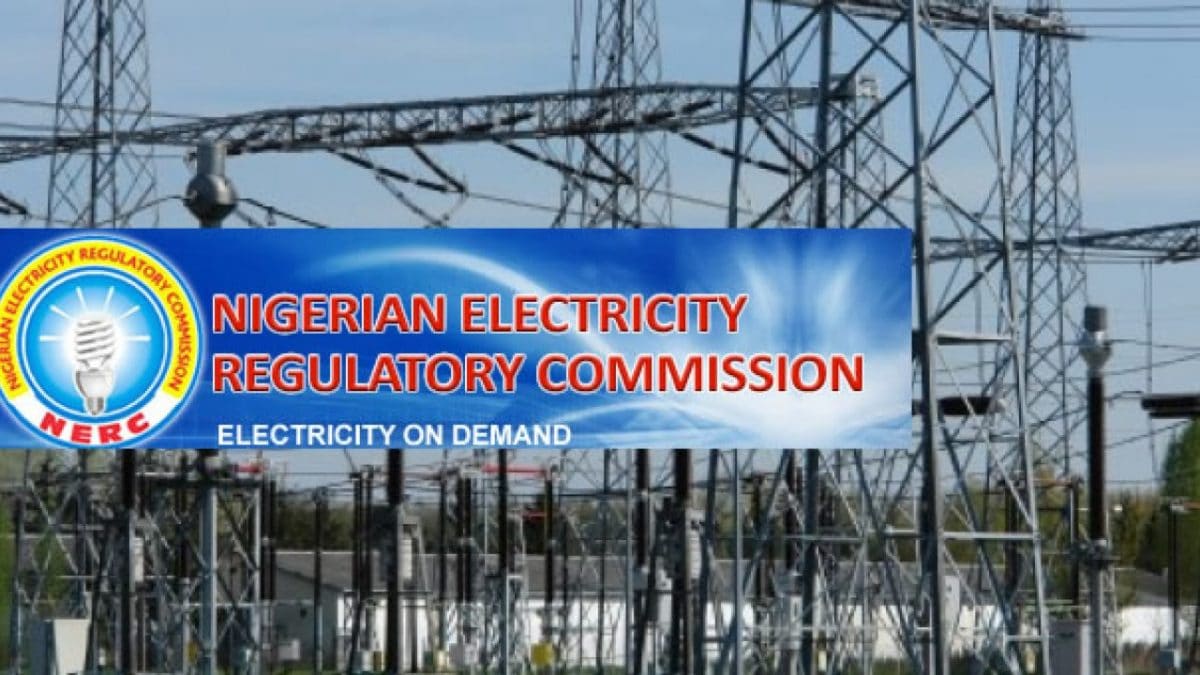
According to the latest report from the Nigerian Electricity Regulatory Commission (NERC), electricity distribution companies (DisCos) achieved a strong remittance rate of 93.04% during the period one of the highest levels recorded in recent quarters.
The data paints a mixed picture: while operational efficiency is improving across parts of the sector, the system still relies heavily on government intervention to remain functional.
The Federal Government’s subsidy bill, though still substantial, declined by ₦39.96 billion from ₦458.75 billion recorded in the third quarter of 2025. NERC attributed this reduction partly to policy adjustments, particularly the increased allocation of electricity to Band A customers who pay higher tariffs from 40% to 45%.
Even with this drop, subsidies accounted for 52.3% of total invoices issued by generation companies (GenCos), underscoring the depth of the financial imbalance within the sector.
At the heart of the issue is Nigeria’s long-standing challenge with non-cost-reflective tariffs. Electricity prices remain below the actual cost of generation and distribution, creating persistent revenue gaps that the government must fill to keep the system running.
Efforts to address these structural weaknesses gained momentum with the signing of the Electricity Act 2023 by Bola Ahmed Tinubu. The law introduced sweeping reforms, including the decentralisation of the power sector and the removal of electricity from the Exclusive Legislative List opening the door for states, private investors, and other players to participate more actively in generation, transmission, and distribution.
The reform is widely seen as a turning point, aimed at boosting investment, increasing competition, and improving service delivery. However, the latest figures suggest that the transition is still underway, with financial sustainability remaining a key concern.
Performance among the country’s 11 DisCos varied widely during the quarter. Abuja, Eko, Enugu, Ikeja, and Port Harcourt DisCos recorded full remittance, reflecting strong operational discipline. Others such as Yola, Benin, and Ibadan also posted solid results.
However, significant gaps persisted in some regions. Kano, Jos, and Kaduna DisCos lagged behind, with markedly lower remittance rates, pointing to ongoing inefficiencies and collection challenges in parts of the network.
Looking ahead, the Federal Government is considering a shift in how electricity subsidies are funded. Plans are underway to distribute the burden across federal, state, and local governments starting from 2026. The move is intended to improve transparency and ensure that subsidy obligations are clearly defined and sustainably managed.
While reforms are gradually reshaping the sector, the latest data makes one thing clear: Nigeria’s power industry remains caught between progress and deep-rooted financial constraints, with subsidies still playing a central role in keeping the lights on.