Finance Minister Wale Edun says no plans to take on new debt despite rising global risks and IMF’s call for early financial intervention…..
The Federal Government has made it clear that Nigeria will not be seeking financial assistance from the International Monetary Fund, even as the lender prepares a multibillion-dollar support package for vulnerable economies.
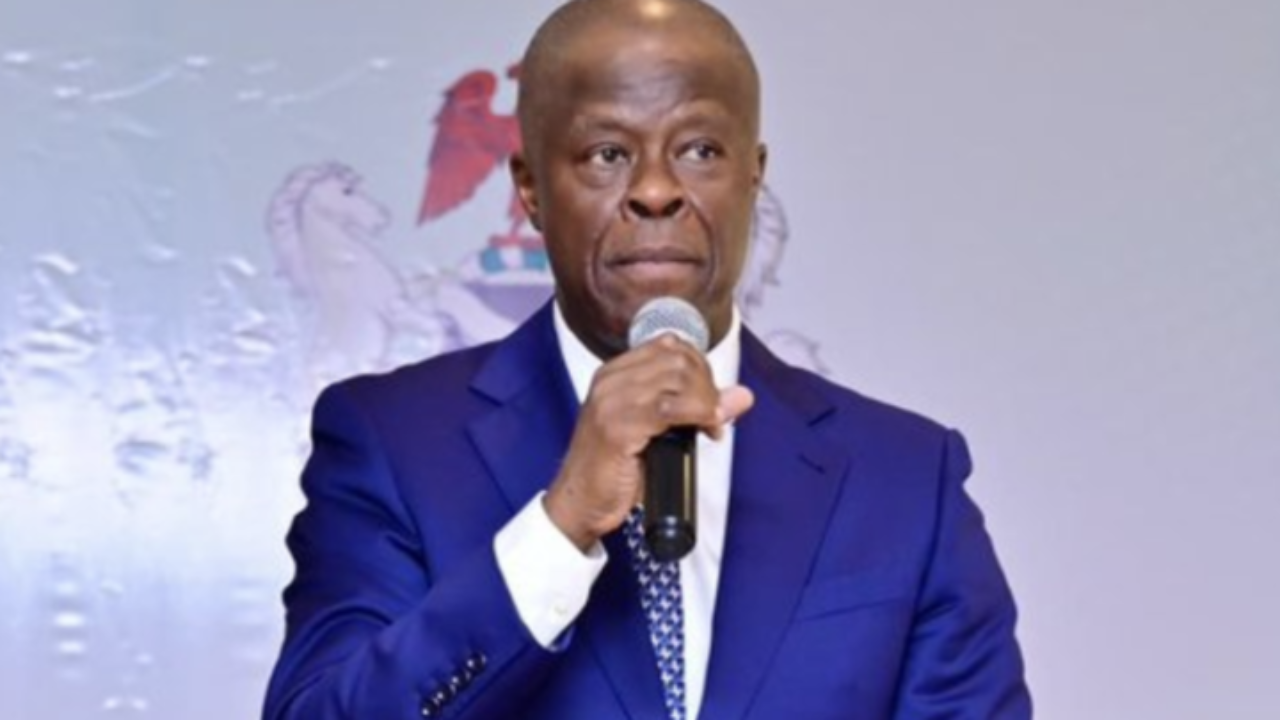
Speaking at a press briefing during the ongoing Spring Meetings of the World Bank and IMF in Washington, D.C., Nigeria’s Minister of Finance and Coordinating Minister of the Economy, Wale Edun, said the country has no immediate plans to approach the Fund for borrowing.
“Nigeria has no plan at the moment to approach the IMF for any other such burden,” Edun stated, signaling a cautious stance toward taking on additional external debt.
His remarks come just a day after IMF Managing Director Kristalina Georgieva revealed that the institution is preparing between $20 billion and $50 billion in financial support for countries grappling with economic pressures, many of them in Sub-Saharan Africa.
Georgieva urged nations facing fiscal strain to act quickly in seeking assistance, warning that delays could deepen economic challenges. According to her, early intervention is key to stabilizing economies and preventing more severe disruptions.
“We anticipate financial demand for IMF support to range between $20bn and $50bn,” she said, noting that the funding would address both existing vulnerabilities and emerging economic shocks across multiple countries.
Despite Nigeria’s decision to stay away from the facility for now, Edun acknowledged that African economies are under mounting pressure, particularly due to the ongoing crisis in the Middle East. He noted that while countries on the continent are not directly responsible for the conflict, they are among the hardest hit by its economic fallout.
According to the minister, the ripple effects ranging from rising energy costs to disrupted trade flows pose serious risks to macroeconomic stability, growth prospects, job creation, and poverty reduction across the region.
He emphasized that oil-importing African nations are especially vulnerable and require targeted support to navigate the current global uncertainty. “They need and deserve extra help at this time,” he said.
Georgieva echoed similar concerns, pointing out that many of the most affected countries are located in Sub-Saharan Africa. She added that the IMF is actively assessing which nations may require urgent intervention.
Beyond immediate financial support, the IMF chief stressed the importance of sound fiscal management, urging governments to build economic buffers during stable periods to better withstand future shocks.
She also revealed that discussions with African finance ministers and central bank governors focused more on policy guidance than urgent funding requests, though she maintained that financial assistance could still become necessary.
The IMF warned that the broader global outlook remains fragile. The ongoing Middle East conflict has already disrupted supply chains, damaged infrastructure, and driven up prices, weighing heavily on economic activity worldwide.
Global growth is now projected to slow sharply, dropping from 3.4 percent last year to 2.1 percent in 2026. Georgieva cautioned that if the crisis persists and oil prices remain elevated, conditions could worsen significantly.
In a worst-case scenario, she said, global growth could fall as low as two percent, with the most severe impact felt by energy-importing and low-income countries.
For now, Nigeria appears determined to chart its own course prioritizing internal reforms and fiscal management over external borrowing even as global economic headwinds continue to build.