Nicaragua Faces Political Shift As Ortega Rejects Future Elections
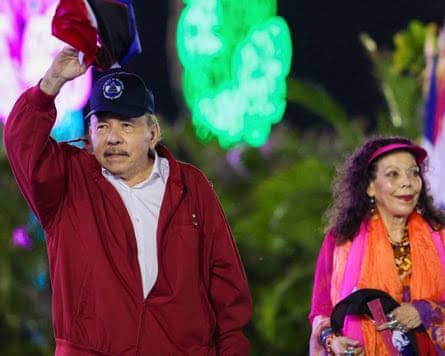
Nicaragua’s political future has come under fresh scrutiny after President Daniel Ortega announced that the country will no longer hold elections, a move he says is aimed at preventing opposition groups from taking power. Ortega made the statement during an event commemorating the 1979 Sandinista revolution, accusing his opponents of being supported by the United …
Nicaragua’s political future has come under fresh scrutiny after President Daniel Ortega announced that the country will no longer hold elections, a move he says is aimed at preventing opposition groups from taking power.
Ortega made the statement during an event commemorating the 1979 Sandinista revolution, accusing his opponents of being supported by the United States.
The 80-year-old leader, who has ruled Nicaragua since 2007, said parties he described as foreign-backed would not be allowed to return to government.
The announcement has drawn criticism from rights groups and international observers, who have long accused Ortega’s administration of weakening democratic institutions and cracking down on dissent.
The country’s 2021 presidential election was heavily disputed after several opposition leaders were detained ahead of the vote.
Recent constitutional changes extended the presidential term and elevated Ortega’s wife, Rosario Murillo, to the position of co-president.
The United Nations has accused the government of human rights violations, including arbitrary detentions, persecution of civil society, and restrictions on media freedom.