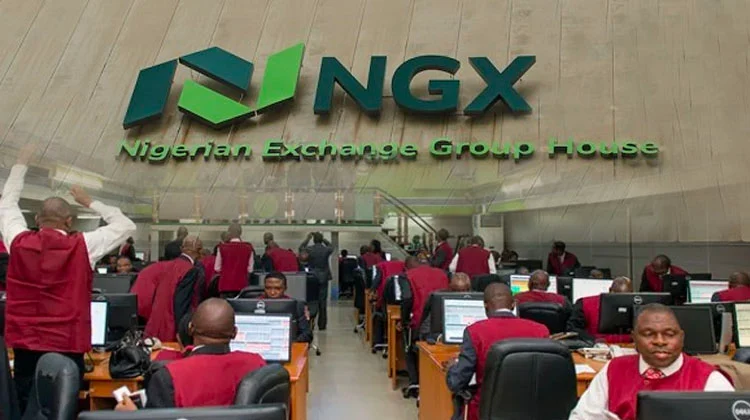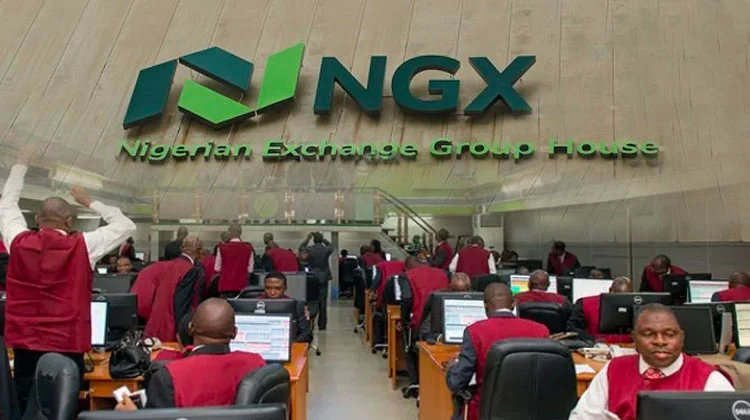
New 9am–4pm schedule aims to boost liquidity, attract global investors, and strengthen Nigeria’s capital market appeal…..
Nigeria’s equities market is entering a new phase of activity as Nigerian Exchange Limited rolls out extended trading hours, a move widely seen as a step toward deepening market efficiency and global competitiveness.
Beginning Monday, April 27, 2026, the Exchange will operate a longer daily session from 9:00am to 4:00pm WAT, an increase from its previous 4.5-hour window of 9:30am to 2:00pm. The change, approved by Securities and Exchange Commission Nigeria, marks one of the most notable adjustments to the country’s trading structure in recent years.
According to NGX, the expanded window is designed to create more opportunities for investors to participate in the market, while allowing prices to better reflect real-time information. By giving traders more time to react to economic data, corporate disclosures, and global developments, the Exchange expects improved price discovery and stronger overall market activity.
The timing of this reform is significant. It follows Nigeria’s recent reclassification as a Frontier Market by FTSE Russell, a development that has already begun to draw increased attention from international investors seeking exposure to emerging opportunities.
NGX noted that the longer trading day will also enhance flexibility for both institutional and retail investors, making it easier to execute trades and manage portfolios without the constraints of a shorter session. The Exchange emphasized that the transition was preceded by extensive consultations with market participants to ensure readiness across trading systems, brokerage operations, and regulatory oversight.
To maintain order and transparency, NGX Regulation Limited will continue to monitor market activities closely throughout the extended hours, reinforcing investor protection and ensuring compliance with existing rules.
Market watchers see the move as part of a broader effort to modernize Nigeria’s financial ecosystem. By aligning more closely with global trading practices, the Exchange is positioning itself as a more attractive destination for capital, while supporting efficient capital formation within the domestic economy.
While the full impact will unfold over time, the longer trading window signals a clear ambition: to build a more accessible, liquid, and globally relevant Nigerian stock market.