The High Court has upheld the government’s decision to ban graffiti, decorative artwork and tinted windows on public service vehicles, ruling that the restrictions are lawful and necessary for public safety.
The court, however, temporarily suspended its judgment to give petitioner Michael Makubo time to appeal the dismissal of the case.
In its ruling, the court said the National Transport and Safety Authority (NTSA) notice issued on May 14, 2025, was a lawful administrative reminder of existing legal obligations and did not violate the right to fair administrative action or any legitimate expectation.
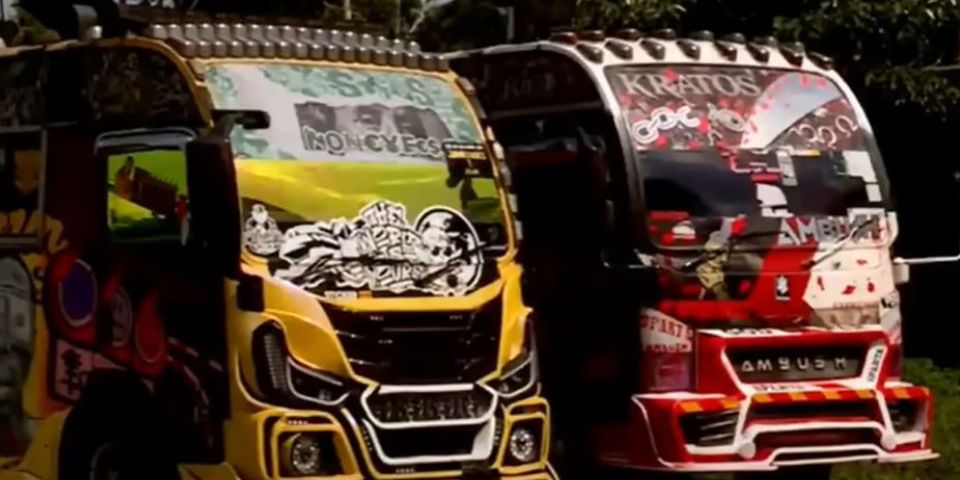
Makubo had argued that the directive unfairly targeted matatu operators and threatened Nairobi’s ‘nganya’ culture — a distinctive urban transport style known for colourful graffiti, neon lighting, tinted windows, loud entertainment systems and customised interiors.
But the court found that he had failed to prove any violation of his constitutional rights or those of the group he claimed to represent.
“For the reasons set out above, the court concludes that the petition is without merit. The impugned regulations were lawfully enacted following public participation and parliamentary scrutiny,” the court said.
“The limitations they impose on constitutional rights are reasonable and justifiable under Article 24 for the compelling public interest of road safety.”
Makubo had sought orders to quash the NTSA notice, compel the release of impounded vehicles, restore removed number plates and award compensation to affected operators.
The court rejected those requests, finding that the regulations were constitutional and that NTSA’s enforcement actions were authorised by law.
“Having found the impugned regulations are constitutional, that the NTSA notice is lawful and that the enforcement actions are authorised by law, the court finds the petitioner is not entitled to any of the relief sought,” the judge ruled.
Makubo had argued that the directive was introduced without adequate public participation and discriminated against operators who rely on artistic vehicle modifications as part of their commercial appeal.
The court, however, held that the restrictions were justified under Article 24 of the Constitution, which allows rights to be limited where public safety is at stake.
It added that the government’s duty to protect road users outweighed claims that decorated matatus were protected forms of artistic or cultural expression.
NTSA defended the directive, saying the move was intended to improve passenger visibility, assist law enforcement, enhance road safety and ensure uniform standards across the PSV sector.
On claims of discrimination, the court said there was no sufficient evidence to show that operators associated with nganya culture had been unfairly singled out.
Although the petition was presented as a public interest case aimed at protecting artistic expression in the matatu industry, the judge ruled that such preferences could not override statutory safety requirements.