Motor vehicle and motorcycle dealers have called on the government to terminate its 10-year contract with Russian firm Joint Stock Company Global Security, citing alleged corruption and persistent failures in implementing the Intelligent Transport Monitoring System (ITMS).
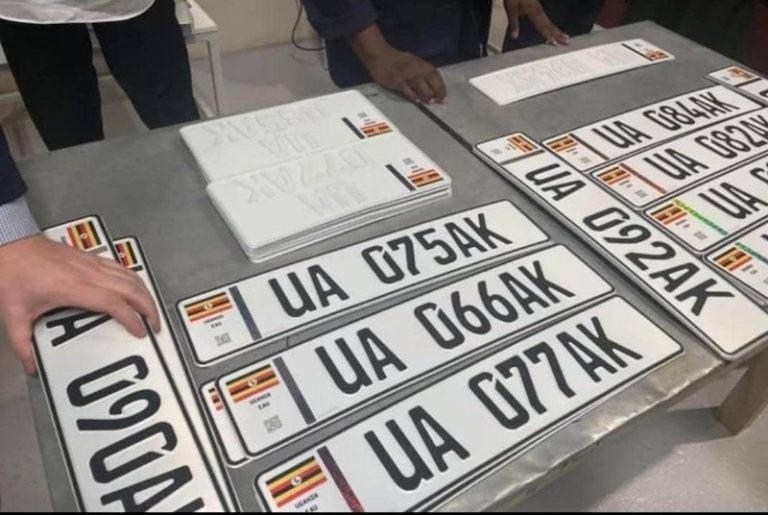
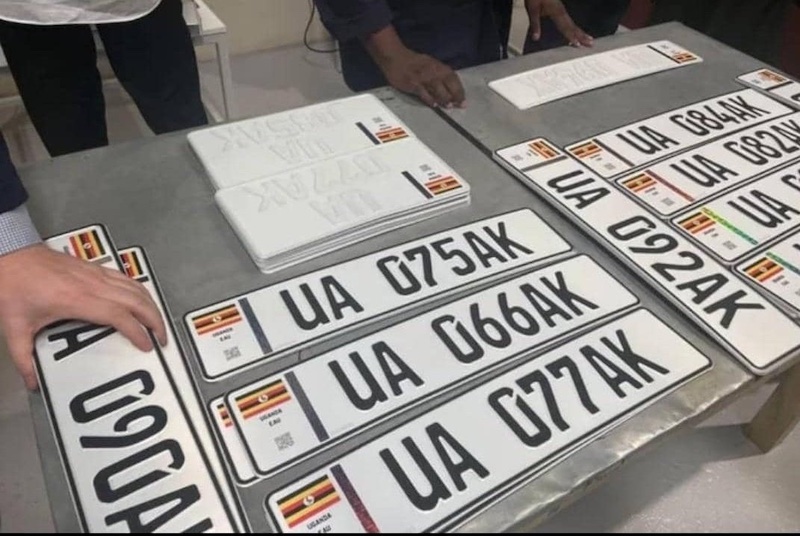
The ITMS was introduced to enhance vehicle tracking and security through the issuance of digital number plates. However, dealers say the project has instead disrupted business operations due to chronic shortages of digital number plates and delays at centralized fitting centres.
On Thursday, motorcycle dealers, motor vehicle dealers and bond operators marched to the ministry of Works and Transport to demand answers over what they described as a failed project that has crippled their businesses.
During a meeting with the state minister for Works and Transport, Fred Byamukama, the traders complained about prolonged delays in receiving number plates despite having completed the registration process and paid the required fees.
Bwire Amanya, a motorcycle dealer based in Nakawa, said businesses have suffered since the digital number plate project was rolled out in 2024. According to Amanya, the contractor frequently runs out of stock, forcing some dealers to wait for up to five months after making payment.
“I know of one motorcycle company with 20 containers carrying about 1,000 motorcycles that are being held at the bond because there are no number plates. This shows how seriously our businesses have been affected. Imagine paying for number plates and waiting more than three months without receiving them. The financial losses are enormous,” he said.
Each digital number plate for a new motorcycle costs Shs 714,300, meaning the company paid more than Shs 714 million for plates covering 1,000 motorcycles. However, the motorcycles remain at the bonded warehouse because the Uganda Revenue Authority cannot release them without registration plates.
Amanya argued that the contractor’s continued failure to supply digital number plates demonstrates its inability to fulfil its contractual obligations. Hajji Siraje Lutakome, a car bond operator, said traders have repeatedly engaged officials from the ministry of Works and Transport over the past two years, but little has changed.
He urged the government to terminate the contract with the Russian contractor, arguing that the company has consistently failed to deliver on its obligations.
Lutakome further alleged that the manner in which the Intelligent Transport Monitoring System has been implemented raises questions about the project’s integrity, claiming it appears designed to defraud Ugandans and warning that the contractor could eventually abandon the project.
Responding to the complaints, Byamukama acknowledged shortcomings in the implementation of the Intelligent Transport Monitoring System, saying the delays have negatively affected businesses and undermined the project’s objectives.
He said the challenges must be resolved within the three-month grace period granted to the contractor.
“Buyers are accusing companies of theft after waiting months for number plates. The President is demanding faster service delivery. We streamlined permits and passports, and digital number plates should be no different,” Byamukama said.
He attributed the delays to the contractor supplying number plates in limited quantities and assured dealers that the ministry would engage the company to find a lasting solution.
The dealers also accused officials within the ministry of Works and Transport of corruption, alleging that some demand bribes of about Shs 1 million to fast-track the release of digital number plates.
They called for investigations into the allegations and the prosecution of any officials found culpable.
However, ministry officials defended the contractor, saying implementation has been affected by external factors, including disruptions to imports arising from the conflict involving Iran and broader global supply chain challenges.
The dealers rejected the explanation, insisting that the contractor has consistently failed to supply number plates since the system was introduced.
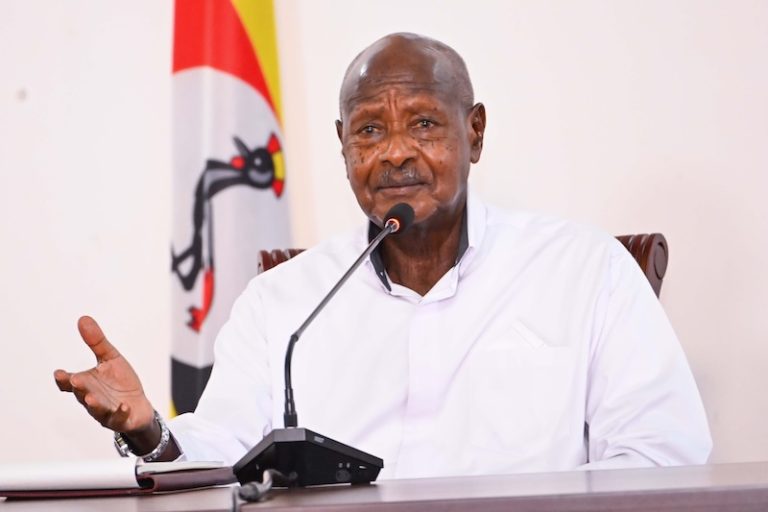
President Yoweri Museveni has previously said the Intelligent Transport Monitoring System was introduced to strengthen crime prevention by enabling security agencies to quickly identify vehicles and motorcycles linked to criminal activity.
Under the current fees, owners or importers of new motor vehicles pay Shs 714,300 for a digital registration plate. Replacing an existing registration plate with a digital one costs Shs 150,000, provided the vehicle is registered in the owner’s name, while digital number plates for motorcycles cost Shs 50,000.