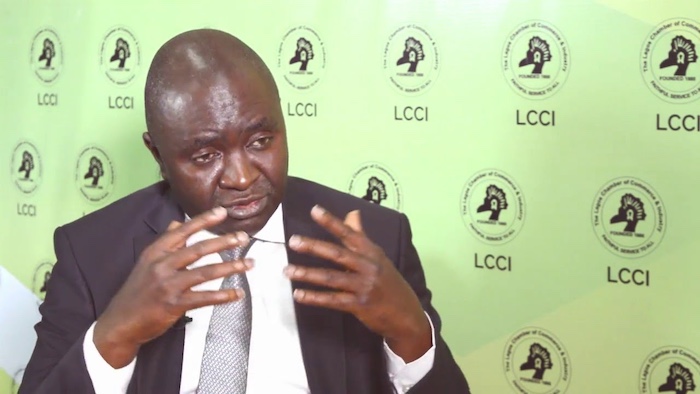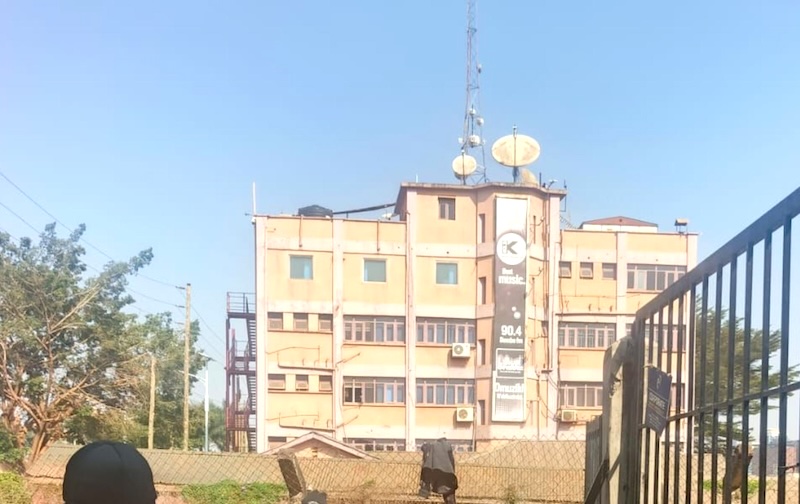
As behind-the-scenes negotiations continue over the reopening of Nation Media Group (NMG) Uganda, Daily Monitor co-founder Phillip Wafula Oguttu has cautioned against any agreement that would give the government influence over editorial decisions.
He warned that such an arrangement would undermine the newspaper’s founding principle of editorial independence. Oguttu said the Daily Monitor was established to provide Ugandans with an independent platform for public debate at a time when political parties were banned under President Yoweri Museveni’s Movement system.
Speaking during the Uganda Law Society’s RNBLive public engagement, Oguttu said preserving editorial independence is more important than reopening the publication at any cost.
Oguttu’s remarks come as senior executives from Nation Media Group’s headquarters in Nairobi continue negotiations with the Uganda People’s Defence Forces (UPDF) over the reopening of the company’s operations.
NMG’s operations were closed following directives from Chief of Defence Forces (CDF) Gen Muhoozi Kainerugaba. The negotiations have attracted public attention because they are being led by the military rather than Uganda’s statutory media regulator, raising fresh concerns about the role of security agencies in media regulation.
Sources familiar with one of the meetings held at the Special Forces Command (SFC) headquarters said Gen Muhoozi presented NMG executives with dozens of Daily Monitor articles he considered biased against the government, alongside television reports aired by NTV Uganda that he reportedly described as activism rather than journalism.
Last week, Col Chris Magezi, military assistant to the Chief of Defence Forces, said in a statement that NMG management had committed itself to “Adopting a more patriotic, balanced, and objective approach to their journalism moving forward.”
While the talks continue, URN has learned that NMG management assured staff during a meeting on Wednesday evening that the company would remain committed to independent journalism once operations resume.
At the same time, management reportedly acknowledged the realities facing the newsroom, telling employees: “We also have to understand the environment we are operating in,” an apparent recognition of the pressures surrounding the company’s return to operations.
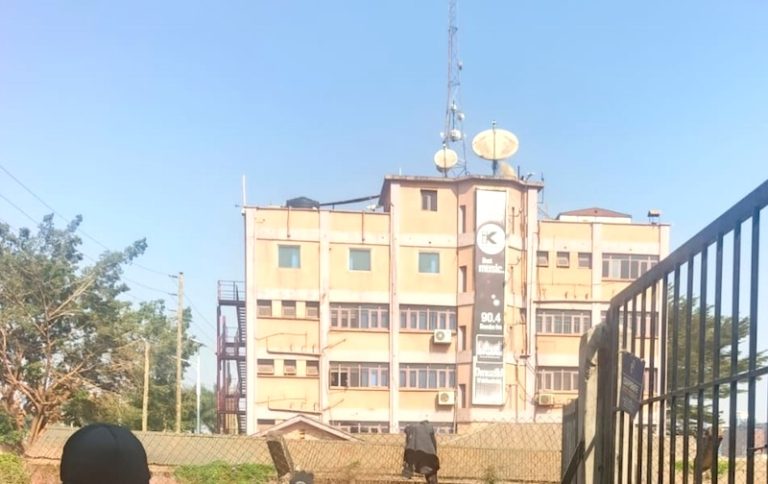
The assurance came as NMG suspended all online news publication on Wednesday evening. The company had initially continued publishing through its digital platforms after soldiers shut down its physical operations, maintaining that no formal closure order had been issued by the communications regulator.
Management later informed staff that online publishing would also be suspended to allow the ongoing negotiations to proceed without further complications. For Oguttu, the current confrontation is neither unprecedented nor unexpected.
He recalled that the Monitor was founded in the early 1990s after a group of journalists broke away from The Weekly Topic to establish an independent newspaper that would provide space for public debate at a time when organised political opposition was prohibited.
“We started this paper which allowed people to talk as they wanted, as long as they were telling the truth and not promoting sectarianism based on religion, tribe or race,” he said.
According to Oguttu, the newspaper quickly became one of the few institutions openly questioning government policy at a time when Parliament and opposition parties offered limited scrutiny.
“Many people had been boxed in. We saw through the system quite early. Because we were asking difficult questions and there was no opposition, we became the opposition.”
He said the government’s response was to weaken the newspaper financially by banning ministries and public agencies from advertising in or purchasing the publication for nearly three years.
Despite losing a major source of revenue, the Monitor survived largely through strong street sales and growing public demand for independent reporting.
Oguttu argued that the current standoff differs from previous confrontations because the central question is no longer whether the newspaper will reopen, but under what conditions.
Beyond journalism, Oguttu has played a significant role in Uganda’s political history.
During the struggle against Idi Amin, he served as treasurer of the 1979 Moshi Conference, which laid the groundwork for Amin’s removal. He later served as a member of parliament, experiences he said have given him a unique perspective on the relationship between political power and the media.
He described President Museveni as a patient political strategist who has, over four decades, relied on a combination of persuasion, co-option and pressure in dealing with critical media organisations.
Oguttu recalled numerous lengthy meetings and telephone conversations between the President and newspaper editors aimed at moderating critical coverage.
He also said successive governments had recruited senior Daily Monitor journalists into public service while repeatedly deploying soldiers, rather than police, during raids on the newspaper’s premises.
Despite repeated confrontations with the state, Oguttu argued that the Daily Monitor has played a defining role in expanding press freedom in Uganda.
He credited the newspaper with championing reforms that culminated in the enactment of the Access to Information Act and highlighted landmark constitutional cases involving journalists Charles Onyango-Obbo and Andrew Mwenda, which led to the abolition of the offences of false news and sedition—laws that had frequently been used to prosecute journalists.
The latest shutdown adds to a long history of confrontations between the newspaper and the state, particularly over reporting on the military, succession politics and national security.
As negotiations over the future of NMG Uganda continue, Oguttu insists that the newspaper’s greatest asset remains the editorial independence on which it was founded.
The veteran journalist said the closure reflects a broader decline in press freedom in Uganda, arguing that the space for independent journalism continues to shrink.
He added that sustained government pressure has increasingly constrained mainstream media and warned that even social media platforms are not immune from tighter state control.