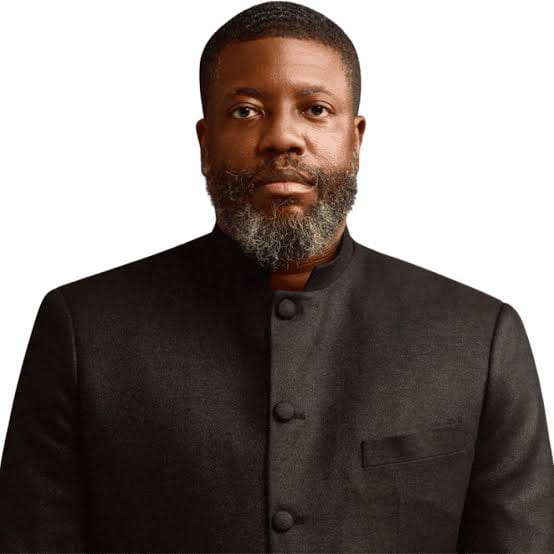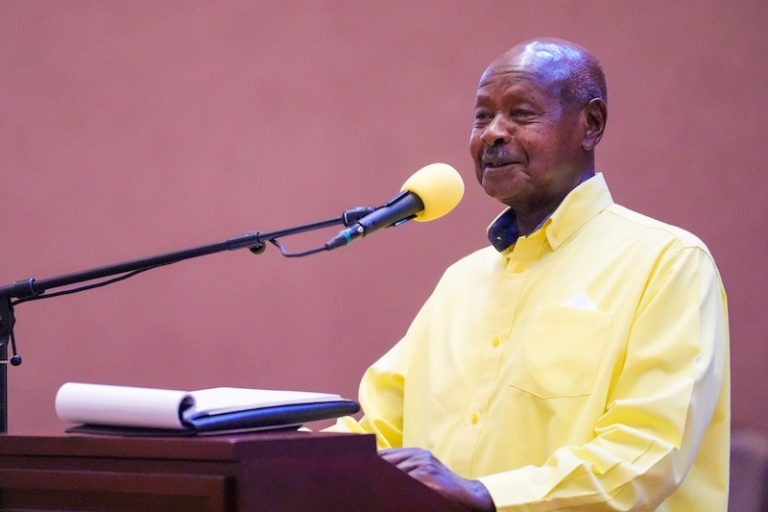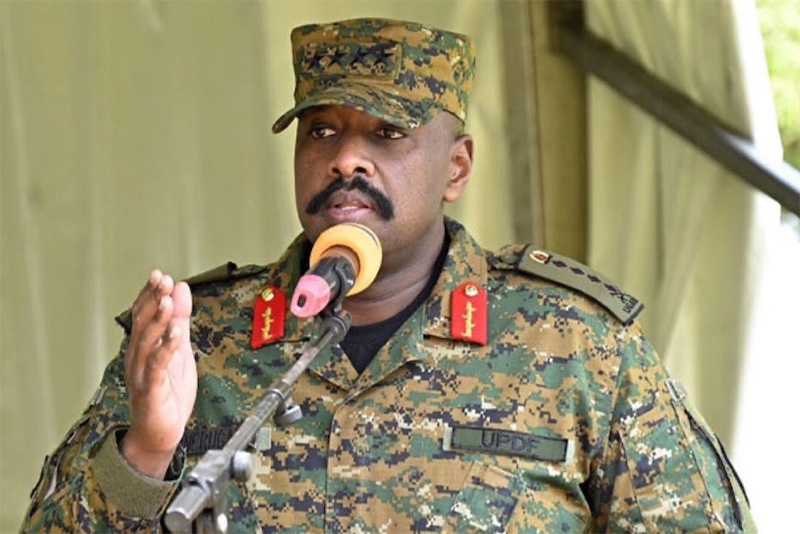
The arrest of Erias Lukwago raises a question that should concern every Ugandan, regardless of political affiliation: if a senior lawyer can be seized under disputed circumstances while representing a controversial client, what protection remains for the ordinary citizen?
This is not simply about one man or one dramatic morning in Wakaliga. It is about whether the institutions that support democratic governance can function when legal representation, security operations and political power appear to collide.
According to his family, armed operatives entered Lukwago’s home without producing a warrant, assaulted relatives and took him away while confiscating phones. Police later said they were unaware of the arrest.

At the same time, Chief of Defence Forces Gen Muhoozi Kainerugaba posted messages on social media declaring that he had “captured a FOOL and taken him to the basement” and later added, “I’m proud of ALL the hurt and pain I will inflict on the ‘CRIMINAL LUKWAGO’.”
The facts surrounding the operation will ultimately require verification. But even on the public record alone, the contradictions are striking. How can a high-profile arrest occur without clear institutional ownership?
How can police profess ignorance while the country’s top military officer appears to celebrate the detention online? Those questions go beyond politics. They go to the credibility of the state itself.
The deeper concern is the effect on legal due process. Lukwago is not only a political figure; he is also the lead defence counsel for Dr Kizza Besigye and Hajj Obeid Lutale in an ongoing treason case.
Lawyers occupy a unique place in any constitutional democracy. They are not extensions of their clients’ views or actions. Their role is to ensure that justice is tested through evidence, argument and law rather than force or intimidation.
If advocates begin to fear that representing certain clients could expose them to personal risk, the right to a fair trial becomes fragile. That is not merely a problem for opposition figures.
It is a problem for every citizen who may one day depend on independent legal representation. The episode also exposes a persistent institutional weakness: the blurred lines between security agencies, public communication and accountability.
When official explanations are absent or contradictory, speculation fills the vacuum. Public trust erodes, and confidence in the justice system suffers. The remedy is neither complicated nor partisan.
Arrests must follow transparent legal procedures. Warrants should be produced where required. Detainees should have prompt access to lawyers and family. Security agencies should communicate through accountable institutions rather than social media.
And where allegations of abuse arise, independent investigations should establish the facts quickly and publicly. The strength of a democracy is not measured by how it treats the popular or the powerful. It is measured by how faithfully it protects the rights of those caught in its most contentious disputes.