As frequent power outages continue to affect different parts of Kampala, households and businesses are struggling to cope with the economic and social consequences.
A number of small businesses are now counting losses, and many of the owners are thinking of closing shop until electricity supply stabilises.
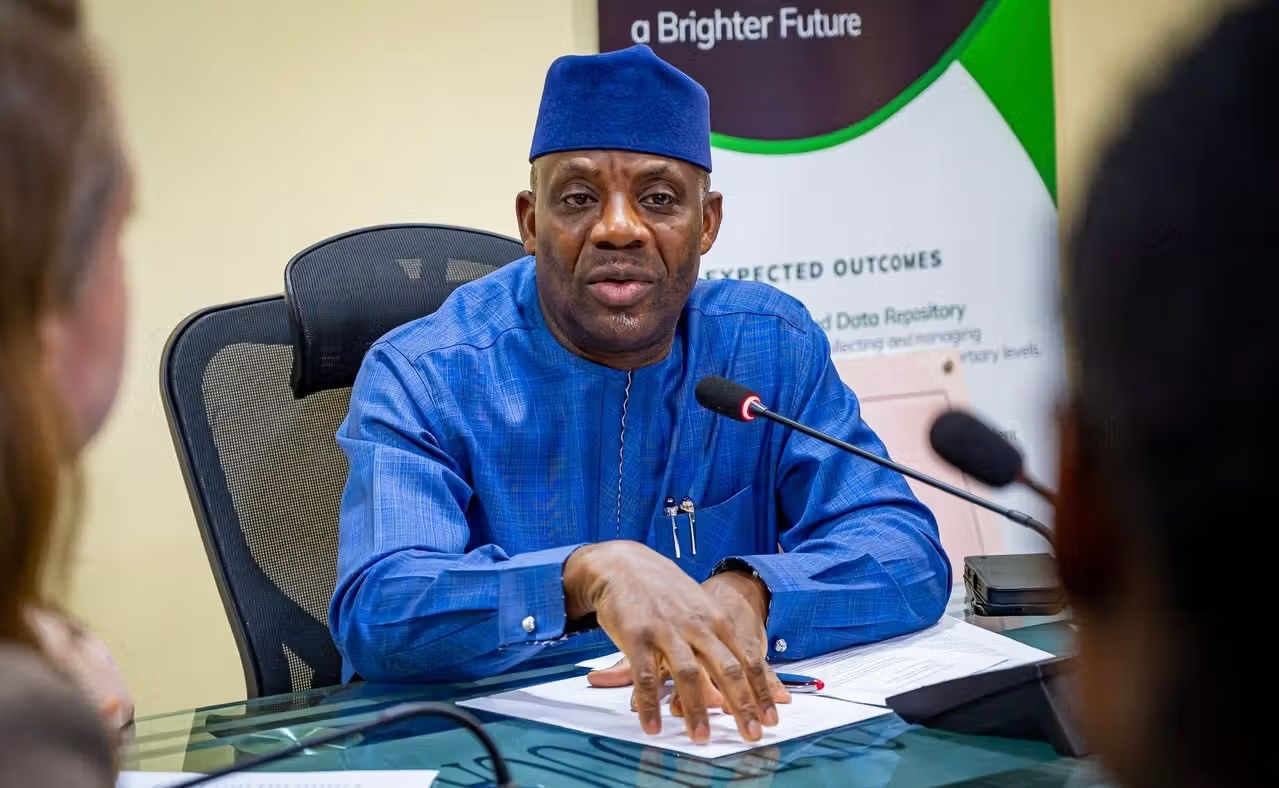
Top officials from the ministry of Energy and Mineral Development, led by the minister of Energy and Mineral Development, Monica Musenero, faced journalists at the Media Centre recently over the ongoing and widespread power outages affecting several parts of the country, including large sections of Kampala.
“We acknowledge that power cuts cause inconvenience and losses, especially to businesses,” Musenero said while briefing reporters. She explained that “there have been many industrial activities that have added pressure on the electricity grid network. While this is positive to the economy, it has stretched the electricity infrastructure.”
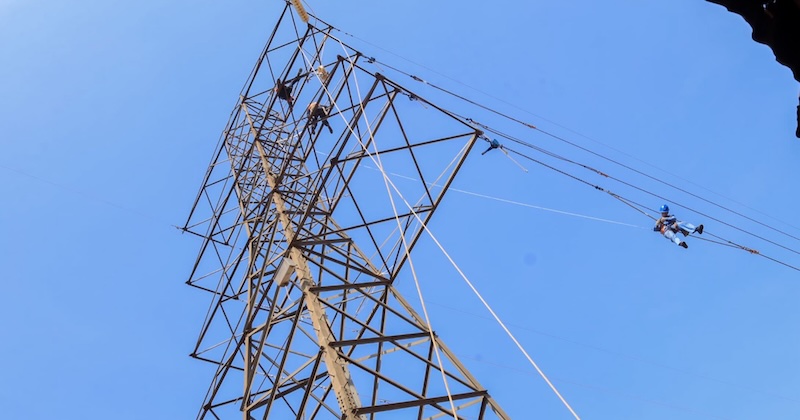
Today UEDCL serves 2.7 million customers. Musenero said “there are ongoing rehabilitation on the transmission lines to be able to deliver the electricity, such as the Kampala Metropolitan system improvement project.”
She promised that power will stabilise after August 8. As the capital city waits for power stability, many business owners say they are earning less money today because of reduced working hours.
A number of households are struggling to perform basic activities such as cooking, charging phones, and lighting their homes. Robert Okello, a resident and leader in a slum area called Kiganda, located on the fringes of the suburb of Mutungo, said sometimes he feels like there is no difference between village life and the city when it comes to accessing services such as electricity.
“What separates a rural area and a city is not even the skyscrappers but it’s the quality of its governance and equal access to services,” he said, referencing a quote made by a former UN top official. According to Okello, if he got electricity in his upcountry village, he would leave his formal job and business in Kampala and settle in the countryside. He believes electricity is the backbone of development.
Okello said: “A nation that operates in darkness can’t compete.” Gloria Alowo, also a resident in Kiganda, said the constant power blackouts have made life difficult for her family.
“The current load shedding has made it difficult for us to charge phones, cook and live comfortably because we spend many hours in darkness,” she said.
According to Alowo, electricity goes off at least three times a week, forcing her family to rely on candles wherever power is unavailable.
“Using candles is not only expensive in the long run but also risky, especially when there are children in the house,” she added.
For business owners, the outages have translated into financial losses. Salon owner Boniface Gaba said he has lost many customers because of the unreliable electricity supply.
“When power was stable, I served more clients and earned enough to meet my daily needs. Now, my income has reduced so much that sometimes it is even difficult to afford meals,” he said.
To keep his business running, Gaba said he has invested in alternative power solutions, including rechargeable hair-clipping machines, which cost Shs 100,000 each, a solar power system worth Shs 2.5 million, and an inverter costing Shs 150,000.
“The inverter only works for a few hours. Once the battery runs out, I have no option but to close the salon,” he said.
The entertainment business has also been affected. Video and music library owner Tiff Sekibira said his business depends entirely on electricity because he uses computers, televisions, speakers and other electronic equipment to serve the customers.
“Whenever there is a blackout, I lose clients because I cannot offer any services. That means my daily income also goes down,” he said.
Unlike some traders, Sekibira said he does not yet have a backup power source.
“I hope to buy a mini generator. For now, when electricity goes off, I simply close the shop for the day,” he said.
Economists say frequent electricity interruptions can reduce productivity, increase operating costs for businesses, discourage investment, and slow economic growth.
akaolucky21@gmail.com