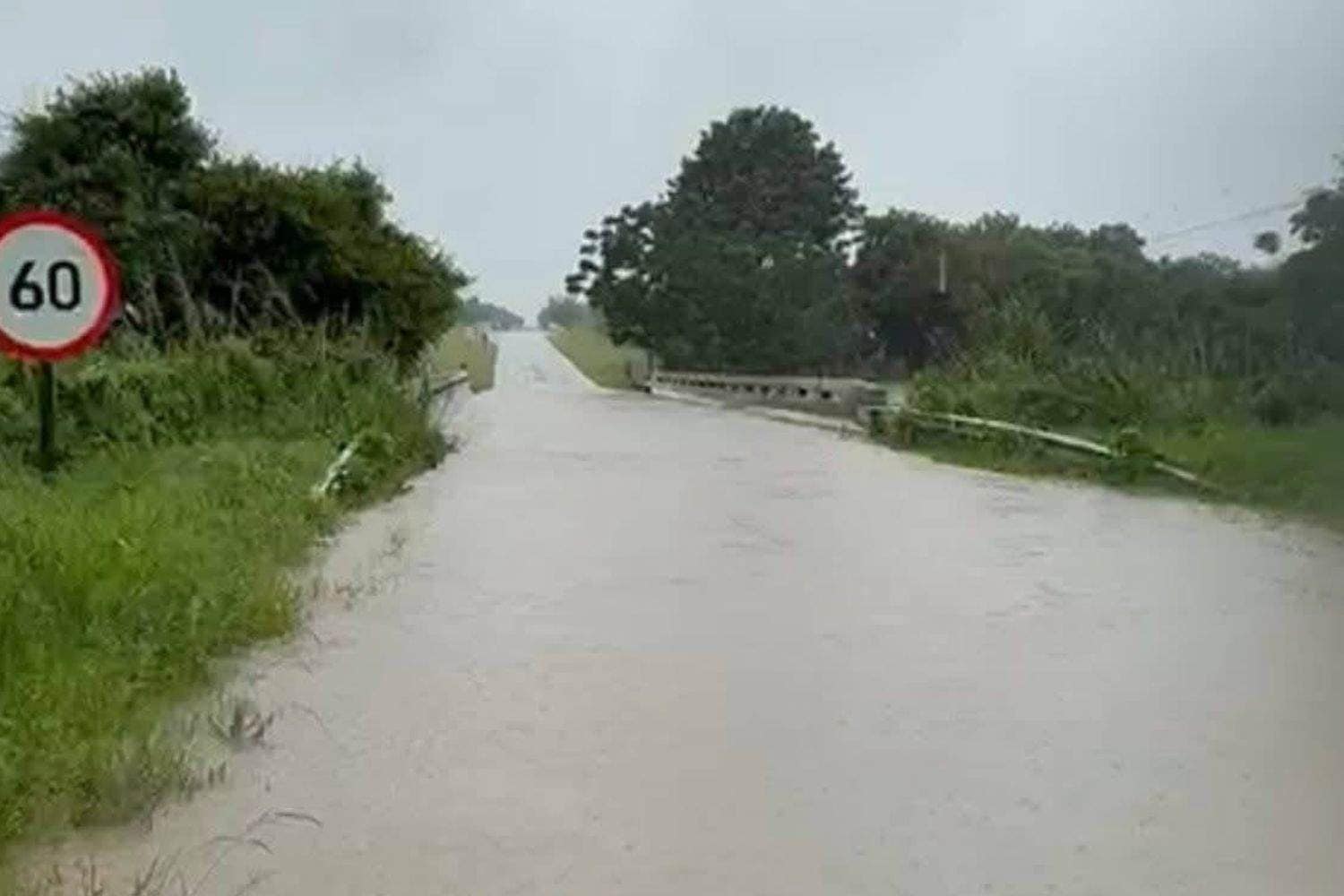
A total of R4.2 billion has been allocated by the Limpopo provincial treasury to the department of public works, roads and infrastructure to fix the aftermath of the vicious floods that left the province in a sorry state.
Damage after Limpopo floods
This was revealed by Limpopo MEC for public works, roads and infrastructure Sebataolo Ernest Rachoene on Thursday. The MEC was giving an account of how the province fared since the floods in December, January and February.
“When devastating floods swept across parts of our province during the previous financial year, they did not only damage roads and bridges. They disrupted livelihoods, isolated communities, interrupted economic activity and reminded us of the critical role infrastructure plays in the daily lives of our people.
“In many villages and towns, access to schools, clinics, workplaces and places of economic activity became difficult,” said Rachoene.
The MEC said the R4.2 billion budget will go towards the construction and reconstruction of the roads infrastructure. Rachoene said the allocation includes a once-off conditional grant of R804 million from the National Disaster Management Committee (NDMC) and the National Department of Transport.
He said this budget was in addition to the R500 million allocated through the reprioritisation of the budget in March 2026 to deal with flood-damaged roads.
Backlogs in rebuilding roads
Despite this, Rachoene admitted that there are still backlogs in rebuilding infrastructure that was damaged by the previous floods. This includes the patching of potholes and re-gravelling of roads.
He emphasised that re-gravelling was not a substitute for tarred roads, but a temporary intervention to improve access for Limpopo’s communities.
Rachoene added that both his department and Roads Agency Limpopo (RAL) are still facing significant budgetary constraints in addressing the backlog of approximately 13 000 kilometres of gravel roads across the province.
Despite this, he said, 22 contractors have been appointed across the local municipalities to intensify road infrastructure maintenance in high-priority regions.