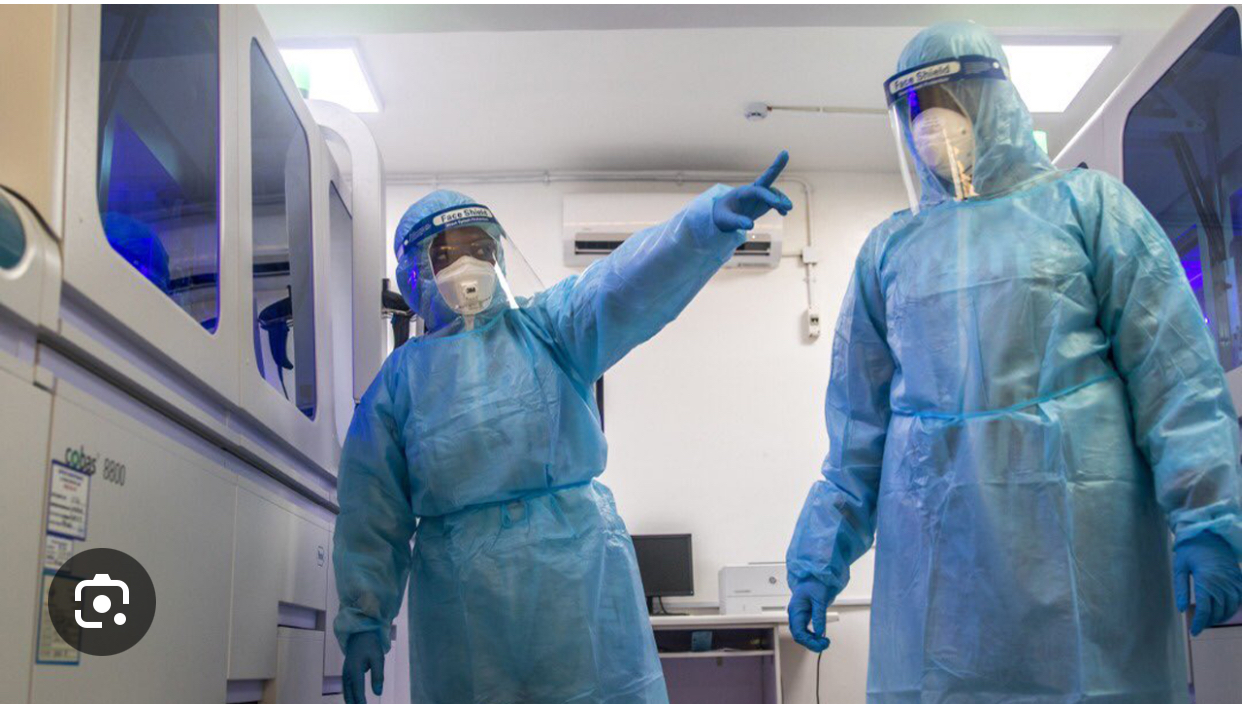
Health authorities in Lagos have trained disease surveillance officers to improve early detection and response to public health threats.
The training, organised by the Lagos State Ministry of Health on Thursday, brought together Disease Surveillance and Notification Officers (DSNOs), public health experts, laboratory scientists, and development partners.
It focused on strengthening real-time data use and coordinated response under the theme “From Data to Action: Hands-on Surveillance Evaluation Using Case-Based Approaches”.
Permanent Secretary of the Ministry, Dayo Lajide, said the programme aims to improve the use of data for timely public health action, stressing the importance of DSNOs as the first line of alert in the system.
“You are truly the first point of alert in our system”, she said, adding that proper communication is key to preventing misinformation and panic during outbreaks.
She also warned that poor information management could increase public anxiety, especially during infectious disease outbreaks, and highlighted the role of public affairs officers in risk communication.
Director of Epidemiology, Biosecurity and Global Health, Ismail Abdus-Salam, described the programme as a flagship initiative to strengthen surveillance capacity and support a shift from paper-based to electronic reporting systems.
State Disease Surveillance and Notification Officer, Lakunle Openiyi, said the training focused on practical, case-based learning to improve outbreak detection and response.
Participants, including DSNOs from Ibeju-Lekki and Somolu, said the exercise improved their skills in data analysis, reporting, and field response, while calling for more training at the grassroots level.
At the Lagos State Primary Health Care Board, Surveillance and Disease Control Programme Officer, Modinat Akiolu, described surveillance as central to public health, calling it the “eyes and hands of the health system”.
She urged participants to apply the knowledge gained to strengthen outbreak detection and response, noting that surveillance also requires leadership and quick problem-solving to protect communities.