Kenya has recorded four deaths during protests linked to rising fuel prices, as a nationwide transport strike disrupted movement in Nairobi and other towns across the country.
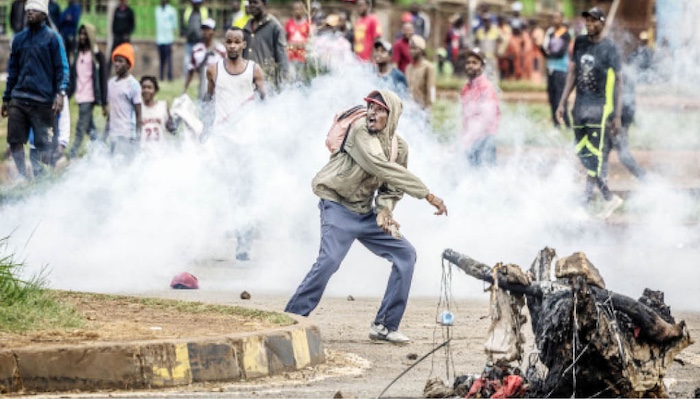
The strike began after transport operators stopped services over new fuel price increases announced by Kenya’s Energy and Petroleum Regulatory Authority. Roads leading into Nairobi were blocked by protesters and striking drivers, while police used tear gas in some areas to clear crowds and reopen access routes. More than 30 people were also injured during the unrest.
Interior Minister Kipchumba Murkomen said four people died during the violence linked to the demonstrations.
Transport unions said talks with government officials failed to produce an agreement. Albert Karakacha, chairman of the public service vehicle owners’ association, said operators would continue the strike until action is taken to address fuel costs.
Kenya raised petrol and diesel prices after pressure on global oil supply linked to the conflict in the Middle East. The increase has pushed up transport fares and the cost of food and other basic goods.
In Nairobi, many commuters were left stranded as buses and minibuses stayed off the roads. Some protesters also burned tyres and blocked major routes, causing long traffic delays across the capital.
The strike also affected activities in Mombasa, Kenya’s main port city, where businesses raised concerns over possible supply delays.
Residents say the latest fuel increase has worsened the cost of living. A Nairobi resident, Gabriel Odhiambo, said transport expenses had doubled, while food prices had also risen sharply in recent weeks.
Ademide Adebayo