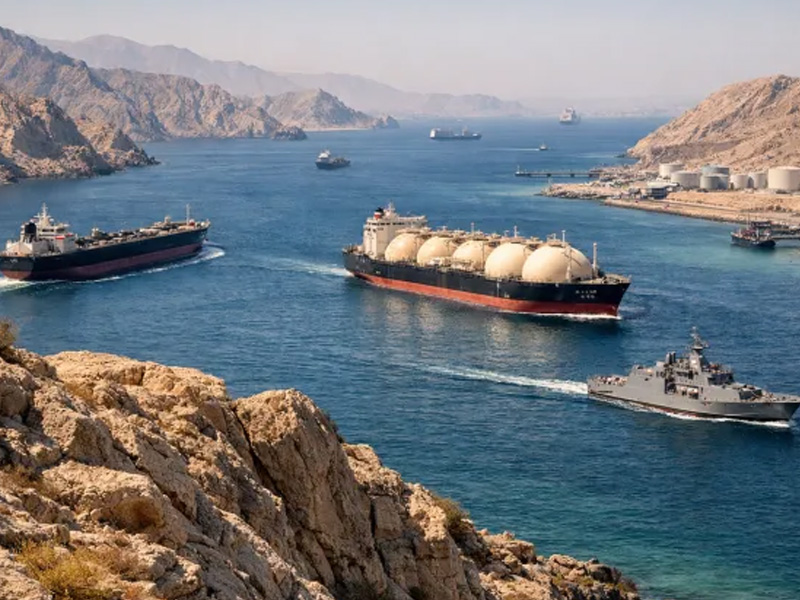
Iran has proposed allowing ships to pass safely through the Omani side of the Strait of Hormuz as part of ongoing negotiations with the United States, in a move that could ease tensions and restore global energy flows.
A source briefed by Tehran said the proposal would permit vessels to sail freely through Omani waters without fear of attack, provided a broader agreement is reached to prevent renewed conflict between Iran, the US and Israel.
The ongoing war has caused the most severe disruption to global oil and gas supplies on record, with Iran restricting traffic through the strategic waterway, which accounts for about 20% of global oil and liquefied natural gas shipments.
Hundreds of vessels and approximately 20,000 seafarers have remained stranded in the Gulf since hostilities began on February 28. Although a two-week ceasefire took effect on April 8, control of the Strait of Hormuz remains a central issue in negotiations.
The source, speaking on condition of anonymity, said Iran may allow ships to use the Omani side of the narrow strait without interference. However, it remains unclear whether Tehran would remove any mines in the area or permit unrestricted passage for all vessels, including those linked to Israel.
The proposal is conditional on Washington meeting Tehran’s demands, which the source described as critical to any breakthrough involving the strait.
The White House and Iran’s Foreign Ministry did not immediately comment on the development.
A Western security source said the plan to allow ships to transit through Omani waters had been under consideration, though it was unclear whether the US had responded.
The Strait of Hormuz, a 34-kilometre-wide channel between Iran and Oman, serves as a key route connecting the Gulf to the Indian Ocean and is essential for global energy and goods shipments, including fertilisers.
If implemented, the proposal would mark Iran’s first concrete step away from more aggressive measures previously suggested, such as imposing tolls on vessels or asserting unilateral control over the international waterway — ideas widely criticised by the global shipping community as violations of maritime conventions.
Member states of the UN’s International Maritime Organization, meeting in London this week, rejected the toll proposal, warning it would “set a dangerous precedent”.
Iran’s latest offer could signal a return to the longstanding shipping framework in the strait, which has operated for decades despite periodic vessel seizures by Tehran.
The existing navigation system, based on a two-way traffic separation scheme adopted by the UN’s shipping agency in 1968, divides transit routes between Iranian and Omani waters.
Meanwhile, the US imposed a blockade on oil tankers departing Iranian ports on Monday, and overall shipping activity in the region has remained significantly reduced since late February.
Faridah Abdulkadiri