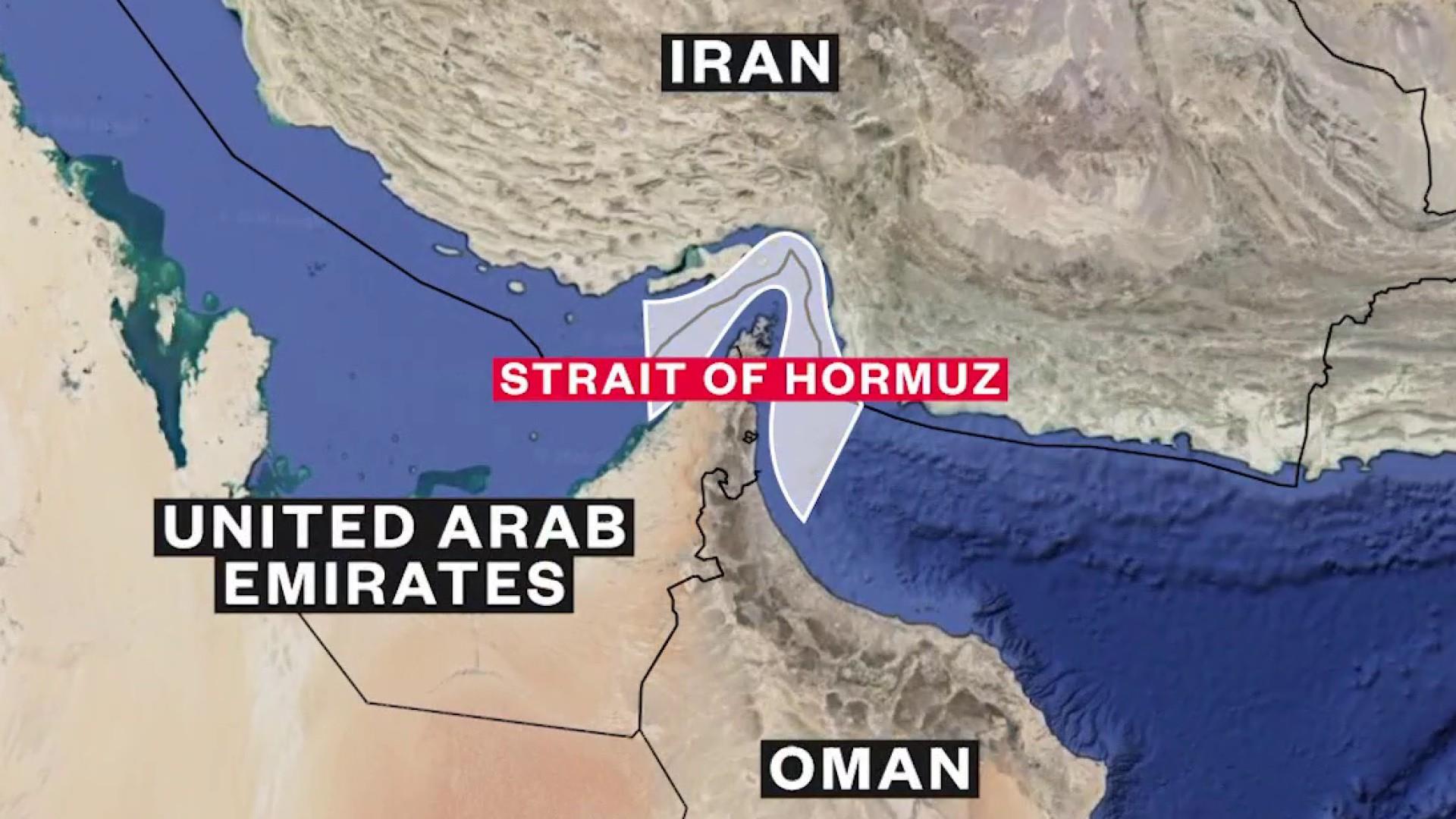
Iran has declared the Strait of Hormuz a non-negotiable “red line”, warning it will retaliate against strategic infrastructure across the Gulf if the United States escalates its military campaign.
The warning came on Thursday as tensions between Tehran and Washington intensified following a fifth consecutive night of US military operations. The United States has also reinstated a naval blockade around Iranian ports, saying the move is aimed at restoring access through the Strait of Hormuz after Iran closed the strategic waterway last Saturday following the collapse of a fragile ceasefire.
Following the latest strikes, Iran’s senior negotiator, Mohammad Baqer Qalibaf, described the conflict as an “essential and existential war” with the United States, underscoring Tehran’s determination to resist mounting American military pressure.
Iranian army spokesman Brigadier General Mohammad Akraminia said the country retains full control of the Strait of Hormuz, rejecting suggestions that recent US strikes on Iran’s southern coastal positions had weakened its ability to secure the strategic shipping lane.
He said Iran’s control of the strait extends across its territory and is not dependent solely on coastal installations or islands.
According to three US officials, Washington’s military campaign is also targeting Iranian military capabilities ahead of any future operation to reopen the vital waterway.
Iran’s armed forces reiterated that they would continue resisting what they described as US intervention in the region, vowing to defend the Strait of Hormuz “until the end.”
Iranian military officials also said the strait would only be reopened if the United States honoured the 14-point memorandum of understanding signed with Tehran in June and complied with Iranian regulations governing maritime traffic through the waterway.
Earlier this week, US President Donald Trump warned that Washington would target Iranian power plants and bridges unless Tehran returned to negotiations.
Responding to the threat, Akraminia warned that any further US strikes would prompt Iran to attack “all remaining infrastructure” across the Gulf, promising a response that would be broader, more destructive and more severe than previous operations.
Iran also said it had launched attacks on US military bases in Kuwait and Jordan, warning neighbouring countries that allowing American forces to use their territory to launch attacks against Iran would not go unanswered.
“Our neighbours should know that providing bases to the Americans and allowing attacks against Iranian territory will not go unanswered,” the Iranian military said in a statement.
As tensions escalated, air raid sirens sounded across Bahrain, while Kuwait said it was responding to what it described as hostile drone threats.
Iran’s military said it fired ballistic missiles at Jordan’s Al Azraq Air Base, while the Islamic Revolutionary Guard Corps claimed it had destroyed satellite communications facilities, an early-warning radar system at Kuwait’s Ali Al Salem Air Base and a US military pier in the Al Shuaiba area.
Bahrain’s Defence Ministry said its air defence systems intercepted and destroyed several Iranian aerial attacks targeting the kingdom.
The latest escalation has heightened fears of a broader regional conflict, with analysts warning that any prolonged disruption to the Strait of Hormuz, which carries about one-fifth of the world’s oil shipments, could disrupt global energy markets and further destabilise the Middle East.
Goodness Anunobi