The Institute for Peace and Conflict Resolution (IPCR) has warned that electoral violence, intimidation and coercive political practices remain major threats to democratic consolidation in Nigeria.
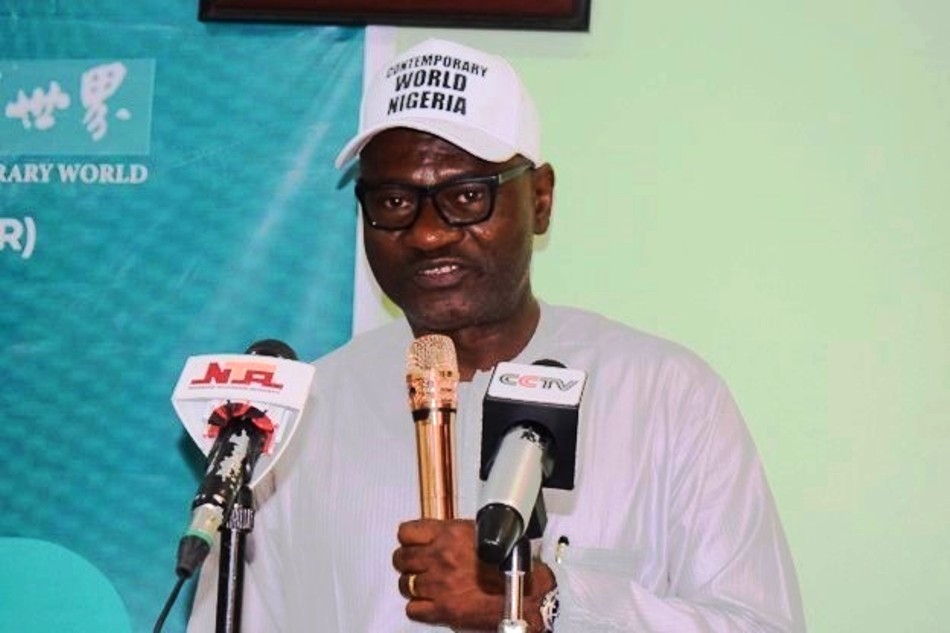
Speaking at a joint press conference to commemorate Democracy Day 2026, the Director-General of IPCR, Dr. Joseph Ochogwu, said a strong democracy depends on informed, active and responsible citizen participation, as well as peaceful, credible and violence-free elections.
According to him, IPCR’s mediation, early warning and conflict prevention engagements have shown that electoral violence suppresses voter turnout, discourages civic participation and undermines the credibility and legitimacy of electoral outcomes.
He said: “Through its mediation, early warning and conflict prevention engagements, IPCR has consistently observed that electoral violence not only suppresses voter turnout and discourages civic participation but also undermines the credibility and legitimacy of electoral outcomes, deepens societal divisions and fuels grievances that may persist long after elections have concluded.
“It is therefore imperative that political actors, electoral institutions, security agencies, the media, civil society organisations and citizens collectively uphold the principles of peaceful political engagement and recommit themselves to a democratic culture where ideas, policies, competence and leadership capacity—not violence, money or manipulation—determine electoral outcomes.”
Reinforcing the institute’s position, Director of Programmes at Search for Common Ground, Gift Omoniwa, said electoral violence remains one of the most significant challenges confronting democratic processes. She noted that incidents of political intimidation, destruction of property, misinformation, hate speech, voter suppression and physical attacks have weakened public confidence in elections and democratic institutions.
Omoniwa further argued that safeguarding democracy in Nigeria and across Africa requires deliberate efforts to address the root causes of conflict.
She said: “We recognise that democracy is one of the nation’s most valuable assets and that it must be protected through collective effort and responsible citizenship.
“Protecting democracy also requires addressing the drivers of conflict, particularly within the context of Nigeria’s security challenges, including banditry, kidnapping and other forms of violence that threaten peace, stability and democratic governance.
“At Search for Common Ground, we advocate win-win approaches to conflict resolution—approaches that are inclusive, address the root causes of conflict, and respond to both the frustrations and incentives that often fuel violence.”
Earlier, SFCG, IPCR and CDD, in a joint statement, urged Nigerians to reject electoral violence and embrace peaceful, inclusive and responsible democratic participation ahead of the 2027 general election.
The organisations noted that while Nigeria has made significant progress since returning to democratic governance, electoral violence remains a major threat to democratic consolidation, national unity and sustainable development.
Linus Aleke