The Electoral Commission of South Africa (IEC) has disputed claims made by EFF leader Julius Malema about the 2024 national and provincial elections.
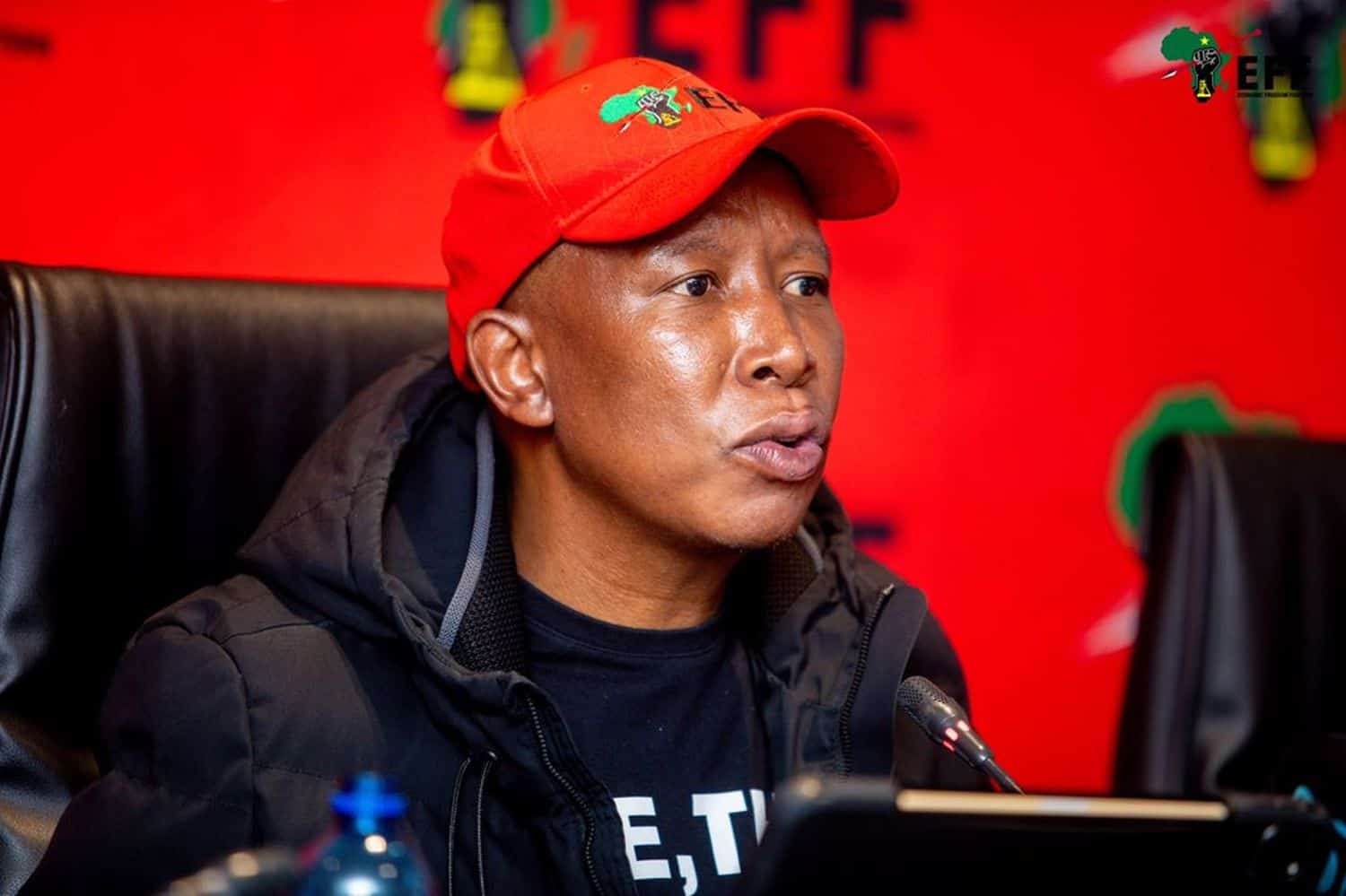
Malema appeared on the Frank Dialogue podcast on Friday, where he accused the IEC of incorrectly compiling results from the voting station where he cast his ballot in Limpopo.
The IEC warned that such comments challenged the integrity of elections, and reminded prominent politicians not to make unsubstantiated claims.
The EFF leader had earlier in the discussion accepted that questioning election results would place “lives in his hands” due to the potential consequences.
Hosted by JJ Tabane, the podcast featured several guests, as well as a question-and-answer session with various members of the media.
Claims of inaccuracy
Malema told the gathering that the IEC had incorrectly entered the results from his voting station into the online database.
He explained that EFF deputy president Godrich Gardee was given a copy of the results slip and queried the inputs with IEC officials, before highlighting the alleged inaccuracy.
“They swapped EFF numbers with the ANC – the IEC. Then he said: ‘No, these are not the results.’
“2024, I was robbed to be president of this county. [Gardee] said this is a receipt of the results slip of Mponegele Primary [School]. They started running around, and they changed it,” Malema said.
He went on to mention the glitch with the 2024 results board, which the IEC explained to the Portfolio Committee on Home Affairs in July 2025 was caused by coding errors in the voter roll app.
Malema added that he believed there needed to be greater investment in independent election monitors, as well as transparency over who had access to the digital data systems.
‘Ultimate record of the political will’
The IEC denied any inaccuracy with the 2024 vote, stressing that “persistent false statements by political party leaders” threatened public confidence in the process.
“The commission wishes to indicate that South Africa’s result collation process is robust and predicated on transparency, extensive safeguards and checks and balances, which are designed to protect the integrity of the election results.
“Results slips in the hands of the commission indicate that the Mponegele Primary School vote count is the same as those captured on the commission’s results system,” the IEC stated on Monday.
Safeguards listed by the IEC included counting votes in the presence of observers and party agents, countersigned results slips, and a double-blind capture process.
Additionally, parties were allowed to photograph and broadcast result slips upon completion and the results were audited by independent auditors.
The IEC will be meeting with the EFF this week to discuss the election process, and reaffirm its commitment to constructive engagement with all parties.
“The commission is acutely aware that result slips, which are completed at voting stations, represent the ultimate record of the political will of the voters within voting districts.
“Hence, the inherent checks and balances institutionalised in the result collation process,” the IEC stated.