Rising crude prices and supply disruptions push depot costs higher, signaling fresh pressure on Nigeria’s fuel market…..
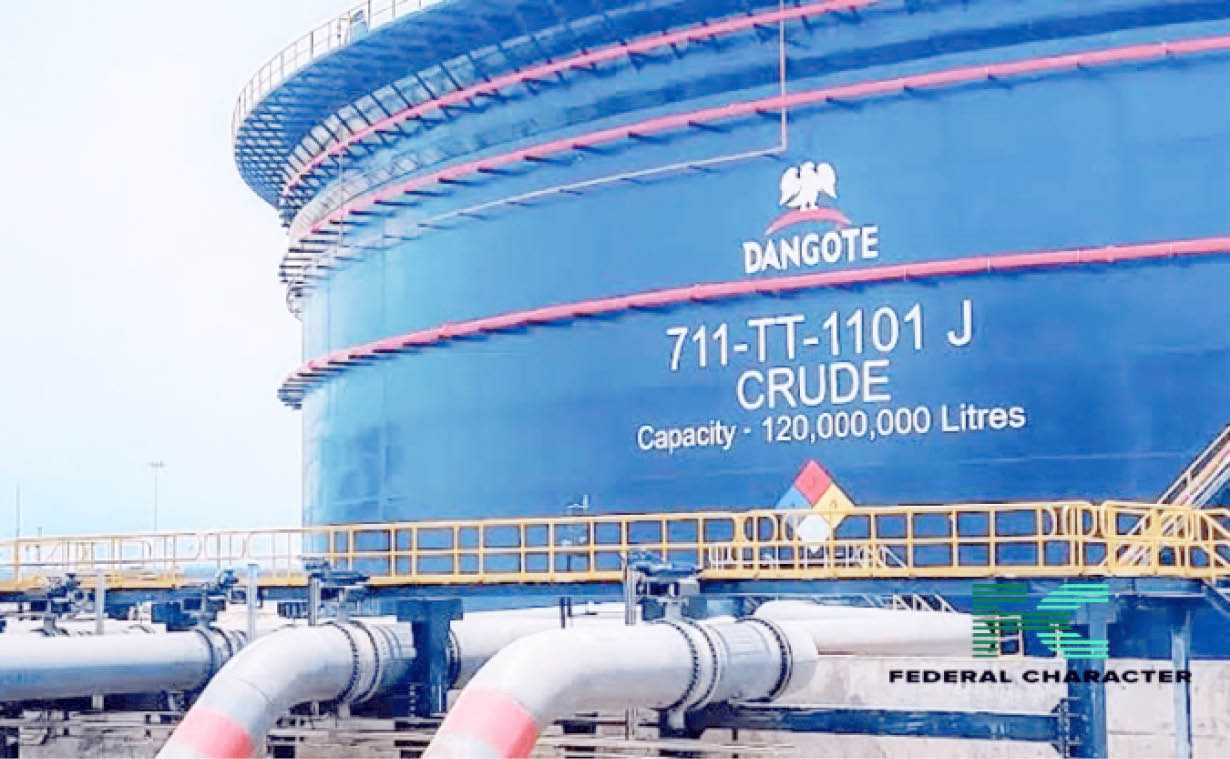
Nigeria’s fuel market is facing renewed turbulence after the Dangote Petroleum Refinery increased the ex-depot prices of petrol and diesel, reflecting mounting pressure from the global crude oil market.
The adjustment follows a sharp rally in international oil benchmarks, with Brent crude climbing from $105 per barrel earlier in the week to as high as $125, intensifying cost pressures across the downstream sector.
In response, the refinery raised its petrol gantry price from ₦1,200 to ₦1,275 per litre, while coastal supply prices moved up to ₦1,215 per litre, according to industry pricing data. Diesel was not spared, with its price increased to ₦1,800 per litre from ₦1,750.
The situation was further compounded by a halt in loading operations at the refinery, which took effect around midnight on Wednesday. The suspension, along with a pause in issuing Proforma Invoices (PFI), has disrupted diesel allocations to marketers and tightened supply in the short term.
Across the country, depot prices reacted quickly. In Lagos, several facilities closed the day at elevated levels, with diesel selling as high as ₦1,980 per litre. Similar trends were recorded in other regions, including the South-South, where prices climbed above ₦2,000 per litre in some locations.
The current surge is being driven largely by developments in the global oil market. Brent crude hovered near $125 per barrel, while West Texas Intermediate traded above $109, reflecting growing concerns about supply constraints.
Much of the pressure stems from heightened geopolitical tensions in the Middle East, particularly around the Strait of Hormuz, a critical artery for global oil shipments. Additional restrictions on Iranian crude exports have also tightened supply, further unsettling the market.
For Nigeria, the impact is immediate and far-reaching. As a country that still relies significantly on imported refined products, higher crude prices translate directly into increased landing and replacement costs for petrol, diesel, and aviation fuel.
Industry players say the combination of rising global prices and domestic supply disruptions is already forcing marketers to reassess pricing across the board. A broader adjustment in depot and pump prices now appears increasingly likely if current trends persist.
The ripple effects could extend beyond fuel stations. Higher energy costs typically feed into transportation fares, logistics expenses, and ultimately consumer prices, raising fresh concerns about inflationary pressure on households and businesses.
With crude prices still on an upward trajectory and supply uncertainties unresolved, analysts warn that the coming weeks could bring even steeper costs across Nigeria’s petroleum value chain.
For consumers and businesses alike, the message is clear: brace for impact, as global oil dynamics once again tighten their grip on the local market.