Four South African beaches have been recognised on an annual global ranking of the world’s most remarkable coastal destinations. Wilderness Beach in George makes its debut this year, alongside returning entries Kraalbaai (Langebaan), Camps Bay (Cape Town) and Boulders Beach (Simonstown).
The list, dubbed the 2026 Corona Beach 100, released on World Oceans Day (8 June), spans 22 countries and welcomes 27 new additions.
According to the brand behind the ranking, the selection process considered scenic beauty, beach culture and connection to nature.
“The guide is about much more than exploring the world’s most beautiful beaches. It’s about celebrating the natural systems that make those places possible. Through Beach 100, we hope to inspire people to step outside, reconnect with nature, and appreciate the extraordinary coastlines we are fortunate to have both here in South Africa and around the world,” said Melanie Nicholson, head of brand at Corona South Africa.
A diverse coastline on the global stage
South Africa’s four entries reflect the variety of the country’s 2 500 kilometre shoreline:
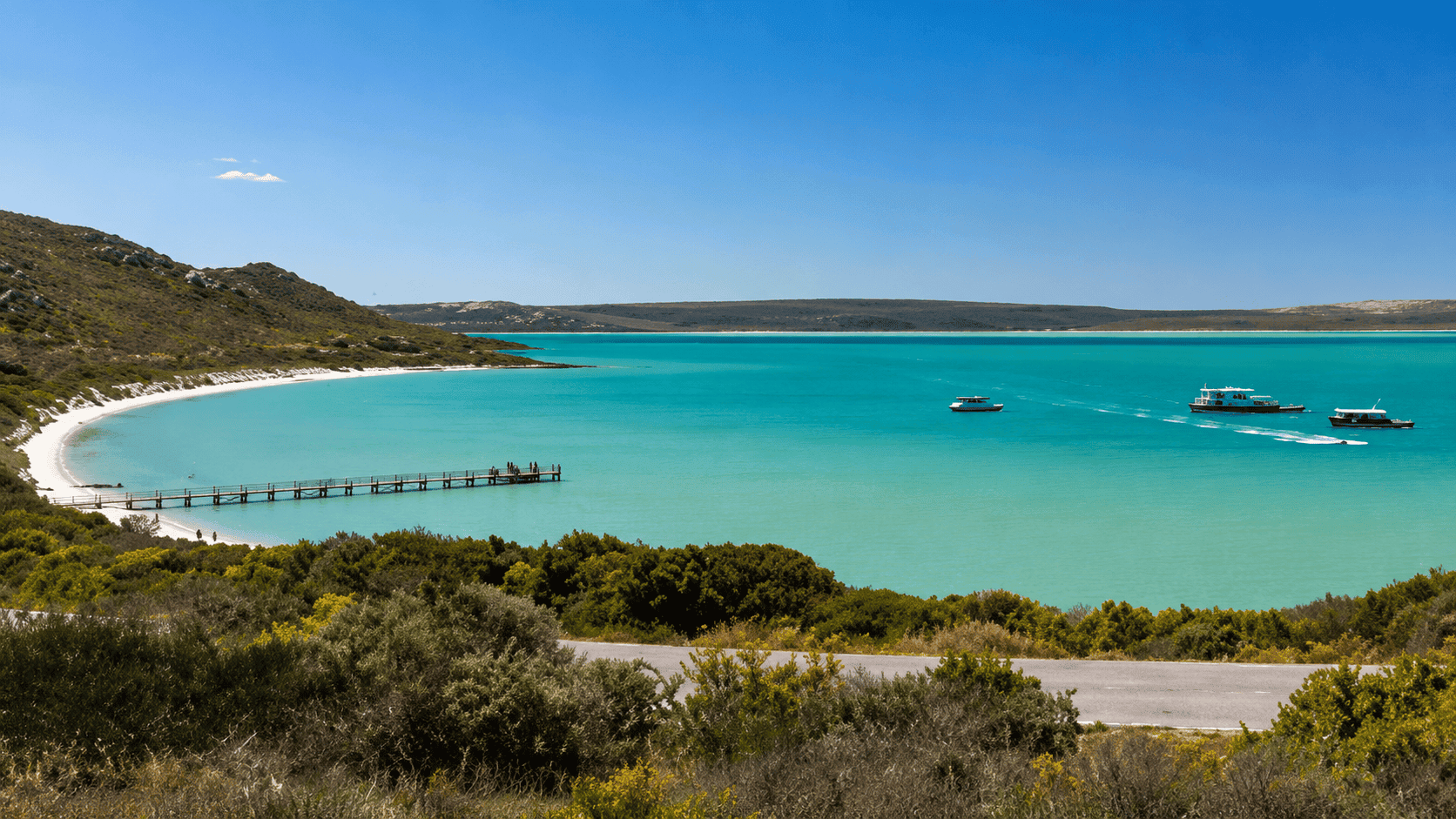
- Kraalbaai, Langebaan – A tranquil lagoon setting in the West Coast National Park, known for turquoise waters and sheltered coves.
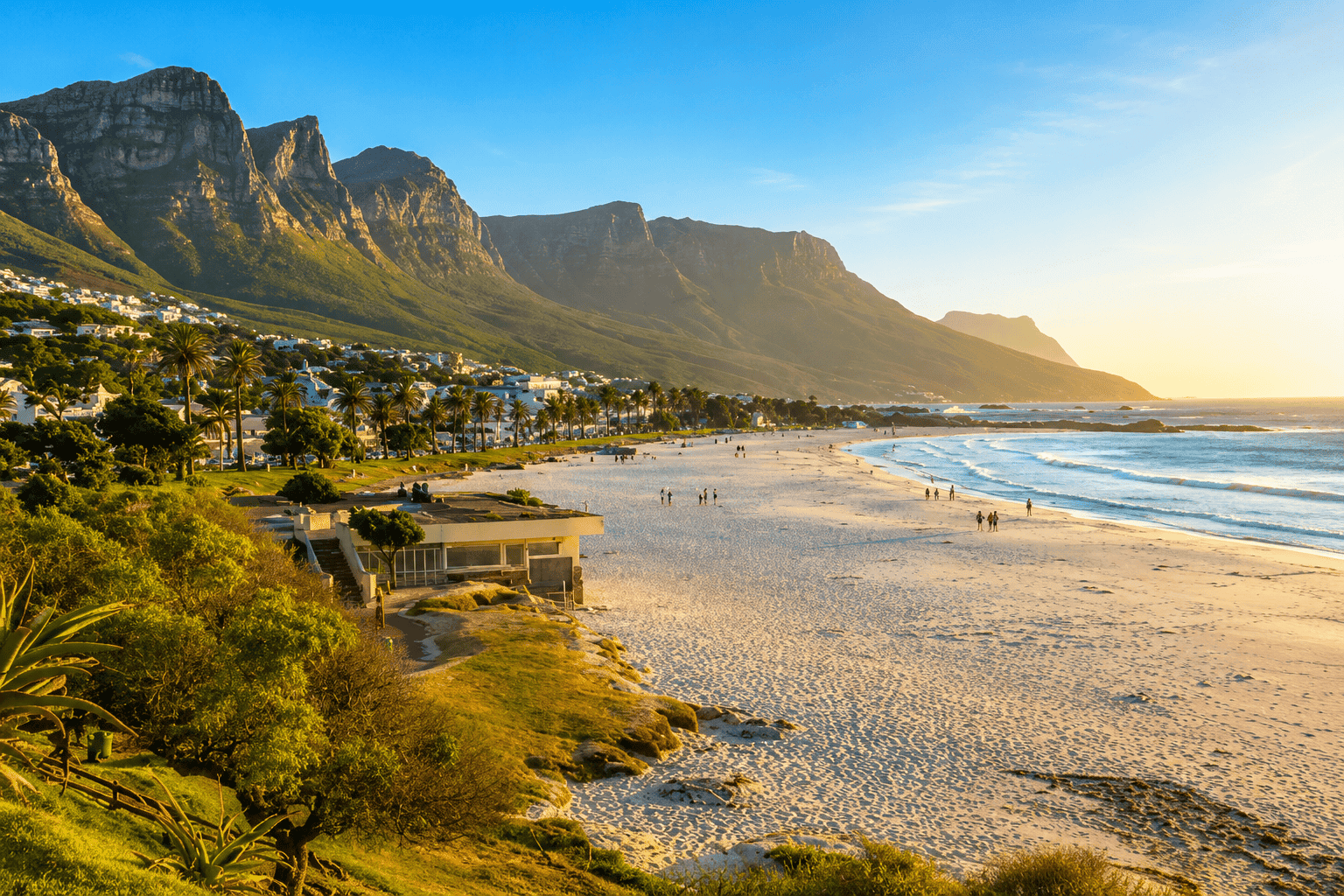
- Camps Bay, Cape Town – The iconic curved beach framed by the Twelve Apostles mountain range, blending ocean culture with urban energy.
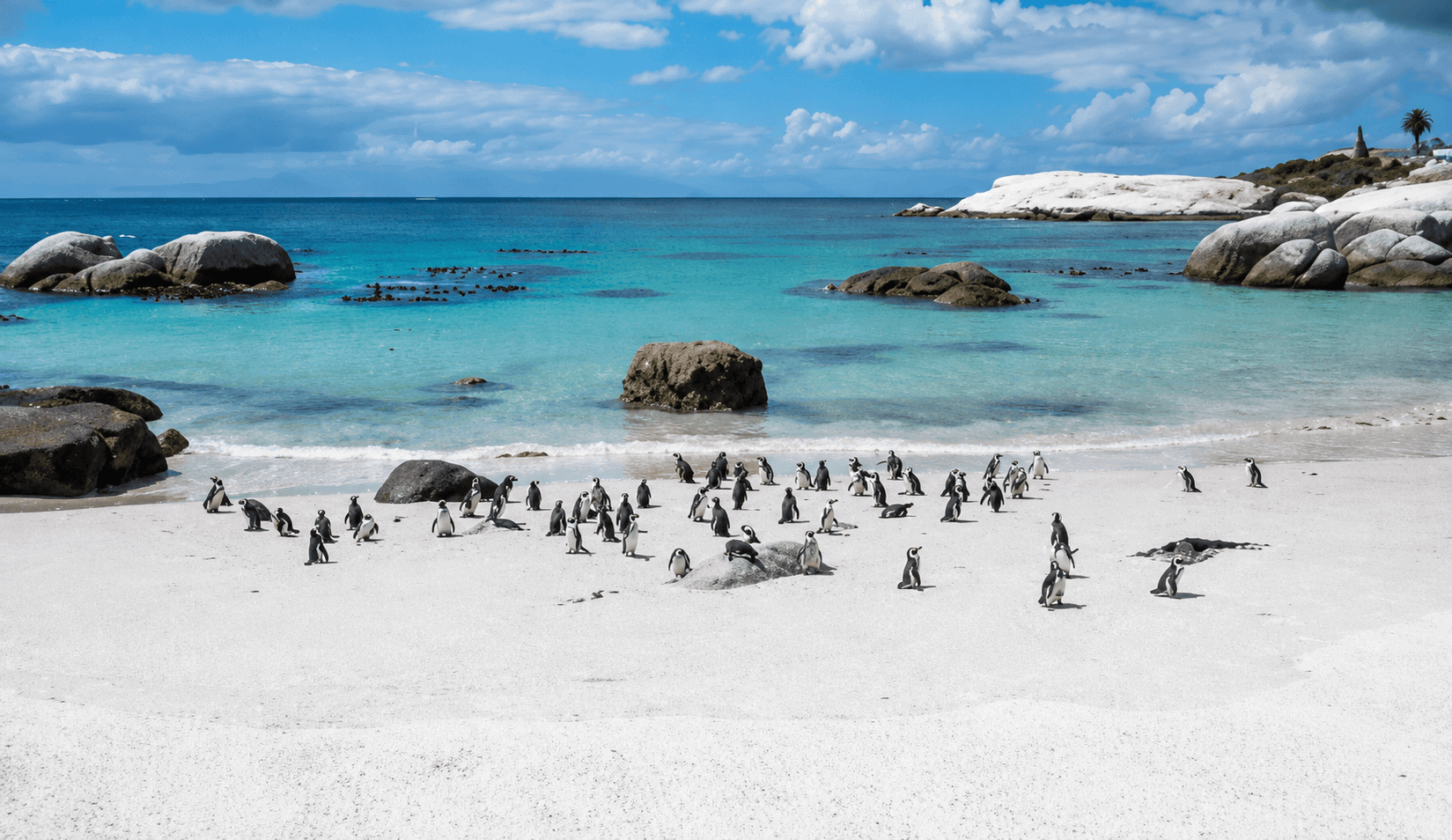
- Boulders Beach, Simonstown – Famous for its resident African penguin colony and large granite boulders that create sheltered tidal pools.
- Wilderness Beach, George – An expanse of untamed sand and rolling waves along the Garden Route, described by the list as offering “a sense of freedom that lives up to its name”.
From inspiration to conservation
Corona has partnered with Tripadvisor to offer more than 300 000 nature‑led travel experiences across 30 countries, including selected conservation‑focused itineraries. As part of World Oceans Week, the brand is also expanding its Beach 100 Grant Initiative with Oceanic Global, providing direct support to community‑led organisations working on marine debris reduction, habitat restoration, biodiversity preservation and coastal resilience across the world’s beaches.
A new content series, Ocean is Living, will highlight ecosystems such as coral reefs, mangrove forests and seagrass meadows. The project aims to reinforce that “paradise is more than a destination – it is a living system worth protecting”.
‘Our wellbeing is tied to ocean health’
Marine conservationist and digital creator Danel Wentzel, who is involved in the initiative, urged South Africans to use World Oceans Day as a prompt for action.
“As South Africans, our well-being is entirely connected to the health of our oceans, but it’s easy to forget that when we’re caught up in daily routines.
“World Oceans Day is a reminder to step outside, reconnect with nature, and actively protect the living blue spaces that sustain us. Preservation begins when we experience these places firsthand,” Wentzel said.