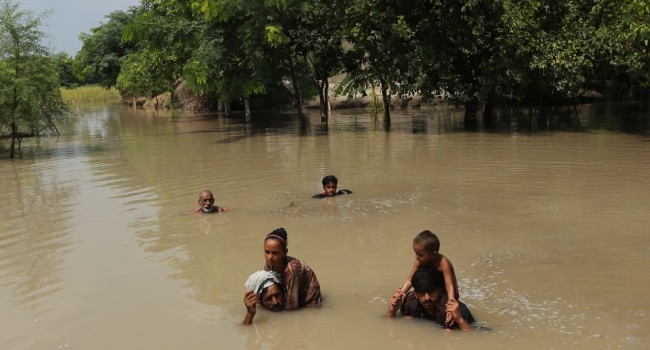
Severe flooding in India’s northeastern state of Assam has killed nearly 100 people, with thousands displaced and communities left buried under mud and debris following one of the region’s most devastating flood disasters in recent years.
According to an official update released on Friday, at least 97 people have died in the floods, while about 170,000 residents have been affected across the state. Many have been forced to seek shelter in temporary relief camps after swollen rivers submerged homes, roads and farmlands.
The disaster has also destroyed large areas of agricultural land, with more than 14,000 hectares of cropland reportedly underwater, worsening concerns over food security and livelihoods in affected communities.
In some of the worst-hit areas, including Sivasagar district, scenes of destruction have emerged, with partially submerged houses, uprooted trees and vehicles trapped beneath layers of mud left behind by the receding waters.
Assam Chief Minister Himanta Biswa Sarma visited affected communities and shared details of the human impact of the disaster, including the death of a 13-year-old boy who reportedly lost his life while attempting to rescue his pet dog from floodwaters.
India’s Health Minister J.P. Nadda, who toured the flood-affected areas on Thursday, described the scale of the destruction as severe, noting that many communities would require significant time and support to recover.
Flooding is a recurring challenge in Assam during India’s June-to-September monsoon season, when the Brahmaputra River and its numerous tributaries frequently overflow their banks. However, environmental experts have warned that climate change, rapid development and poor land-use planning are contributing to more frequent and destructive flooding.
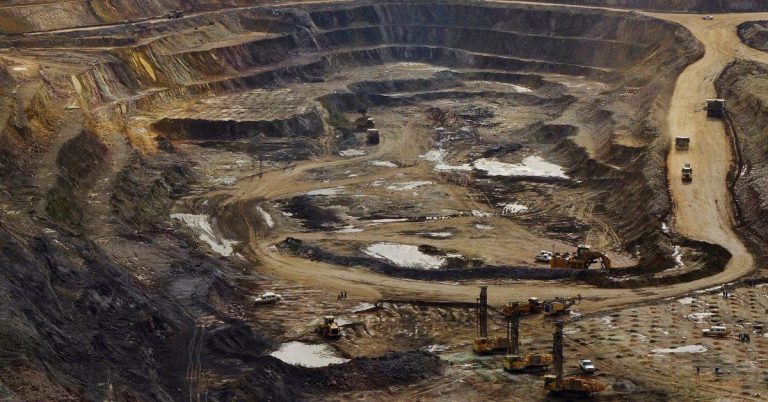
Residents and local officials have also raised concerns over the impact of illegal coal mining activities in neighbouring Nagaland, arguing that environmental damage may have worsened flooding in areas that were previously less vulnerable to severe inundation.
The Assam government has indicated plans to engage with federal authorities over the issue, while climate advocacy groups have linked the worsening floods to a combination of rising global temperatures, changing river patterns and increased human settlement in high-risk areas.
As rescue and relief operations continue, authorities are focusing on providing shelter, medical assistance and essential supplies to thousands of residents affected by the disaster.