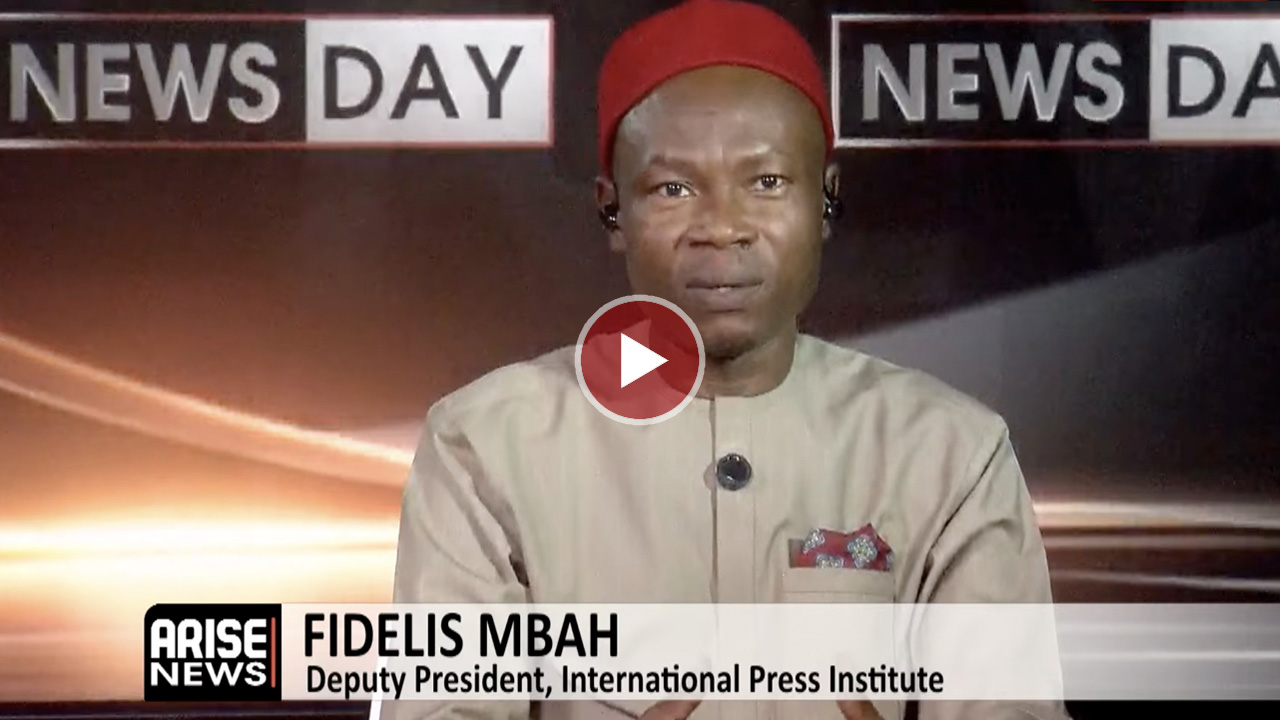
International Press Institute Deputy President, Fidelis Mbah, has described the recent directive by the National Broadcasting Commission (NBC) to Nigerian broadcasters as a routine advisory rather than an attempt to suppress press freedom.
Speaking in an interview on ARISE News on Monday, Mbah said the directive should be interpreted as a professional reminder to uphold journalistic ethics, especially ahead of the 2027 general elections.
According to him, “What the NBC released is more of an advisory and not a veiled threat.”
His remarks come amid strong criticism from media stakeholders, including the Nigeria Union of Journalists (NUJ) and Amnesty International, who argue that the directive could undermine media independence and restrict editorial freedom.
However, Mbah maintained that the NBC’s position aligns with established broadcasting standards, particularly the need for journalists to clearly distinguish between personal opinions and factual reporting.
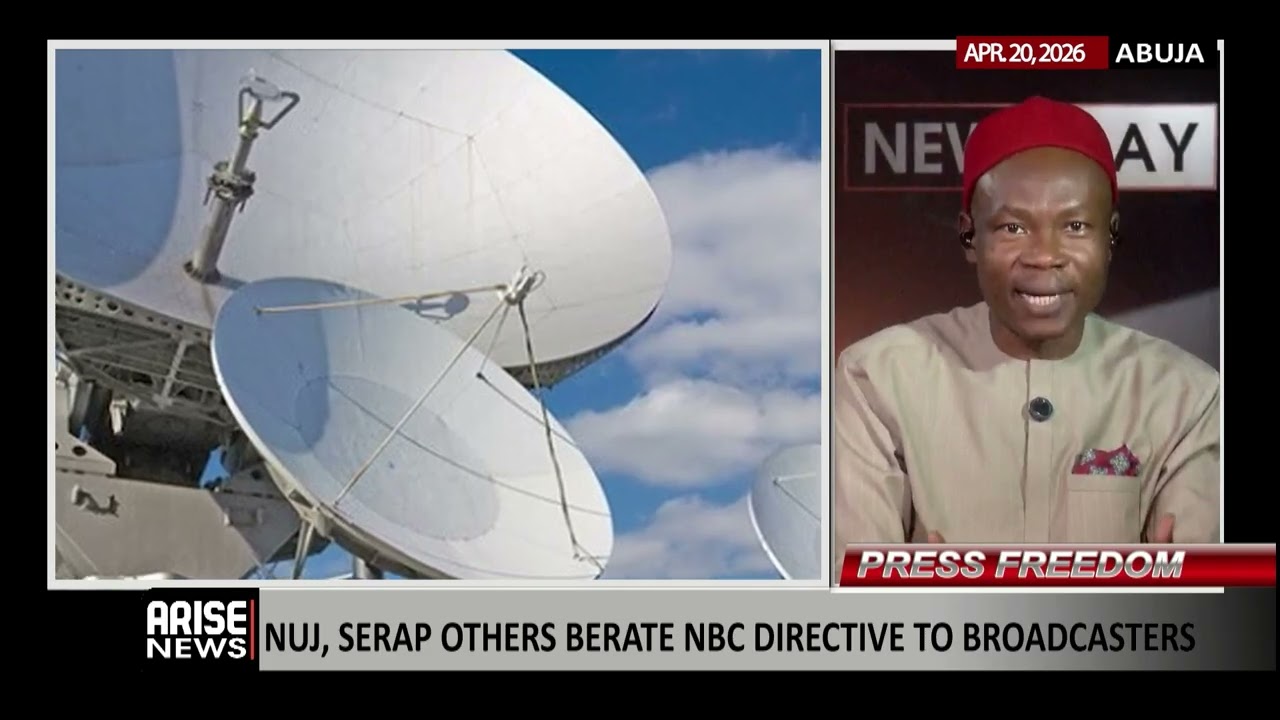
“If you are giving your personal opinion, you should be clear to say this is your opinion,” he said.
He emphasized that audiences should be allowed to draw their own conclusions, rather than having journalists impose interpretations as facts.
Mbah also pointed to recurring issues within parts of the media ecosystem, particularly at the grassroots level, where some broadcasters engage in unverified claims, biased reporting, and inflammatory content.
“Some of our colleagues have crossed the line,” he noted, adding that advisories like this serve as necessary checks to maintain professionalism across the industry.
While defending the NBC’s directive as standard practice, Mbah acknowledged growing public concern, especially given Nigeria’s political climate and proximity to another election cycle.
He explained that similar advisories are typically issued before elections to promote fairness, balance, and responsible broadcasting.
“It’s a routine practice… just that the timing has raised suspicion,” he said.
Despite his position, Mbah stressed that media organizations and press freedom advocates remain vigilant against any attempt to weaponize regulation against journalists.
“Any attempt to stifle press freedom… we will come out to protect our colleagues,” he added.
He concluded by urging journalists to uphold ethical standards, including fairness, proper guest vetting, and accountability for claims made on air, noting that professionalism remains the strongest defense against external control.
By Ojo Triumph