DNEMIS will create a unified database for students, teachers, schools and education investments, replacing fragmented data systems nationwide…..
The Federal Government is set to launch a new digital platform aimed at transforming how education data is collected, managed, and used across Nigeria.
The Digital National Education Management Information System (DNEMIS), scheduled for official unveiling on July 1, is expected to provide a single, centralised database covering learners, teachers, schools, and education investments, enabling authorities to make faster and more informed decisions.
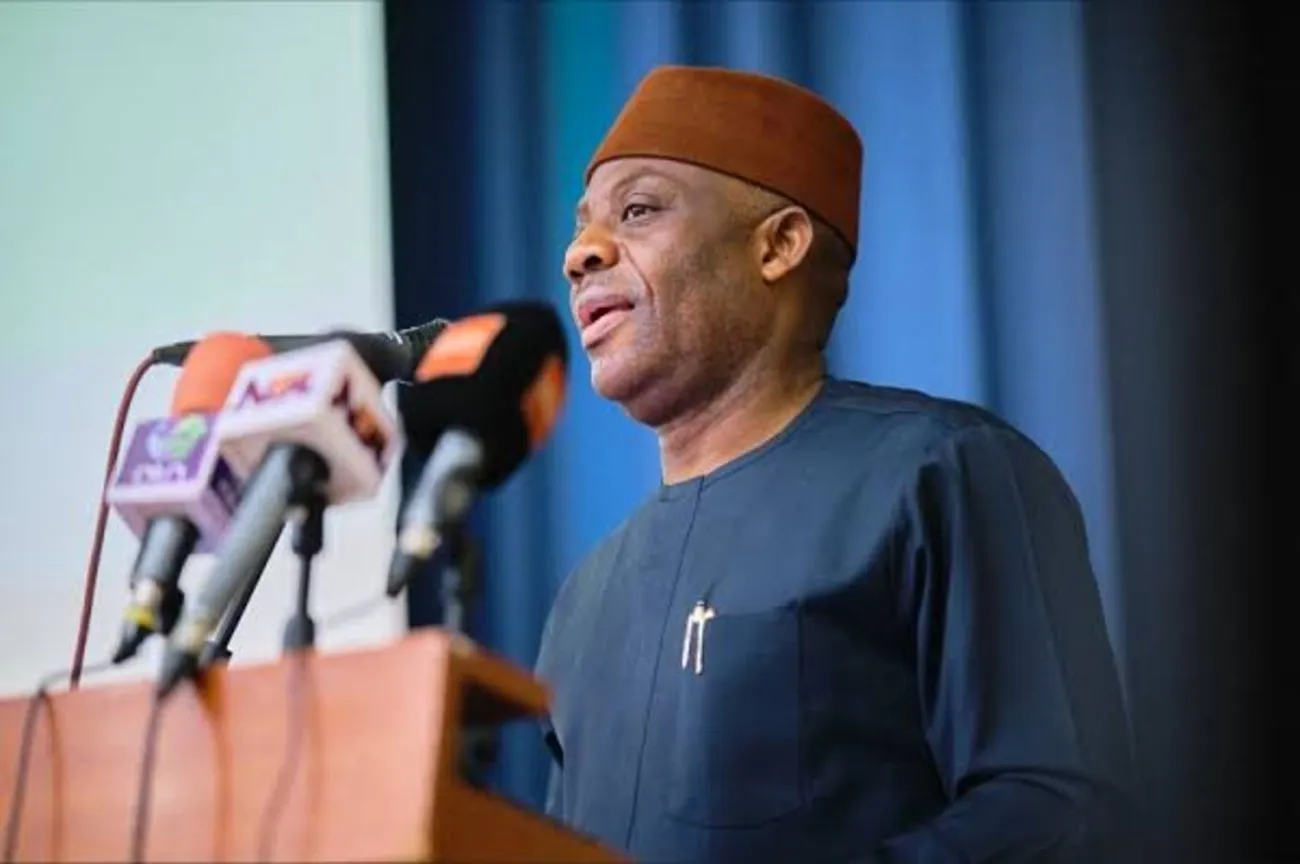
The National Project Coordinator of the Special Programmes Operations and Implementation Unit (SPOIU) in the Office of the Minister of Education, Adebayo Onigbanjo, announced the rollout during a press briefing in Abuja on Monday.
He described DNEMIS as one of the flagship projects under the Nigeria Education Sector Renewal Initiative, saying the platform was developed to address years of inconsistent and fragmented education data that have limited effective planning and accountability.
According to Onigbanjo, the digital system will consolidate information from every level of education into a unified platform capable of supporting policymaking, budgeting, service delivery, monitoring, and long-term planning in real time.
He noted that unreliable data has remained one of the biggest obstacles to meaningful reforms in Nigeria’s education sector.
“For many years, education planning and administration relied on fragmented systems, inconsistent reporting processes and limited access to reliable and timely data. These challenges constrained effective planning, weakened accountability and limited the sector’s ability to respond to emerging realities,” he said.
He added that reliable data is now central to improving educational outcomes across the country.
“Data is no longer a back-office function. It is becoming the engine of education reform in Nigeria,” Onigbanjo stated.
Also speaking, the Special Assistant to the Minister of Education on Digital Communications and E-Learning, Mojoyin Adebajo, said the platform will digitise Nigeria’s Annual School Census while making selected education statistics publicly available through an interactive online portal.
She explained that the initiative is intended to improve transparency by giving government agencies, researchers, development partners, journalists, civil society organisations, private sector stakeholders, and members of the public easier access to verified education data.
According to Adebajo, wider access to official data will encourage informed discussions and support evidence-based decisions on the future of Nigeria’s education system.
Looking ahead, UNICEF Education Specialist for Planning, Monitoring, Data and Research, Saka Ibraheem, disclosed that the ministry is working towards integrating all major education management platforms into one national system before the end of next year.
The proposed integration will combine the Education Management Information System (EMIS), the Teacher Management Information System (TMIS), and individual learner records into a single digital platform.
Ibraheem said the integrated system will assign every learner a unique identification number, making it easier to monitor enrolment, identify out-of-school children, and track students as they progress through different stages of education.
Meanwhile, the Coordinator of the Nigeria Education Data Infrastructure (NEDI), Abubakar Isah, assured stakeholders that the platform has been developed in line with Nigeria’s data protection regulations and includes safeguards to protect sensitive education records.
The launch of DNEMIS comes shortly after the Federal Government announced the National Learning Assessment Week, scheduled to hold from June 29 to July 3, 2026.
The nationwide assessment, which will cover all 36 states and the Federal Capital Territory, is expected to generate comprehensive data on students’ learning outcomes. Education authorities say the findings will help shape future policy decisions, improve resource allocation, and strengthen interventions aimed at raising learning standards across Nigeria.