New 10-year strategy aims to transform agriculture, boost protein supply, and curb rising hunger across Nigeria….
The Federal Government is setting its sights on a massive expansion of Nigeria’s livestock industry, with plans to more than double its value to $74 billion over the next decade as part of a broader strategy to strengthen food security and stabilise the economy.
The ambitious target was unveiled at the ninth edition of the Vanguard Economic Discourse held in Lagos, where policymakers, global agencies, and industry stakeholders gathered to chart a path for reviving the country’s struggling agricultural sector.
Speaking on behalf of the Minister of Livestock Development, Idi Maiha, Special Adviser Eustace Iyayi outlined a 10-pillar transformation plan designed to lift the livestock sector from its current estimated value of about $32 billion to $74 billion by 2035.
He stressed that agriculture remains a cornerstone of Nigeria’s economy, contributing roughly a quarter of GDP and employing a significant portion of the workforce. Despite this, food insecurity continues to deepen, exposing structural weaknesses across the system.
The forum, themed around food security and economic stability, featured contributions from international bodies such as the Food and Agriculture Organization and the International Fund for Agricultural Development, both of which highlighted the urgency of reform as millions of Nigerians face worsening access to food.
Estimates shared at the event suggest that over 25 million people in the country are at risk of acute food insecurity, while food inflation has remained stubbornly high, exceeding 30 percent in recent periods and eroding household purchasing power.
Against this backdrop, the livestock sector is being positioned as a critical lever for change. Currently contributing between five and eight percent of GDP and accounting for about a third of agricultural output, the sector is seen as key to addressing widespread protein deficiency.
Iyayi noted that average daily animal protein intake in Nigeria remains significantly below global recommendations, underscoring the need to scale production and improve access to affordable nutrition.
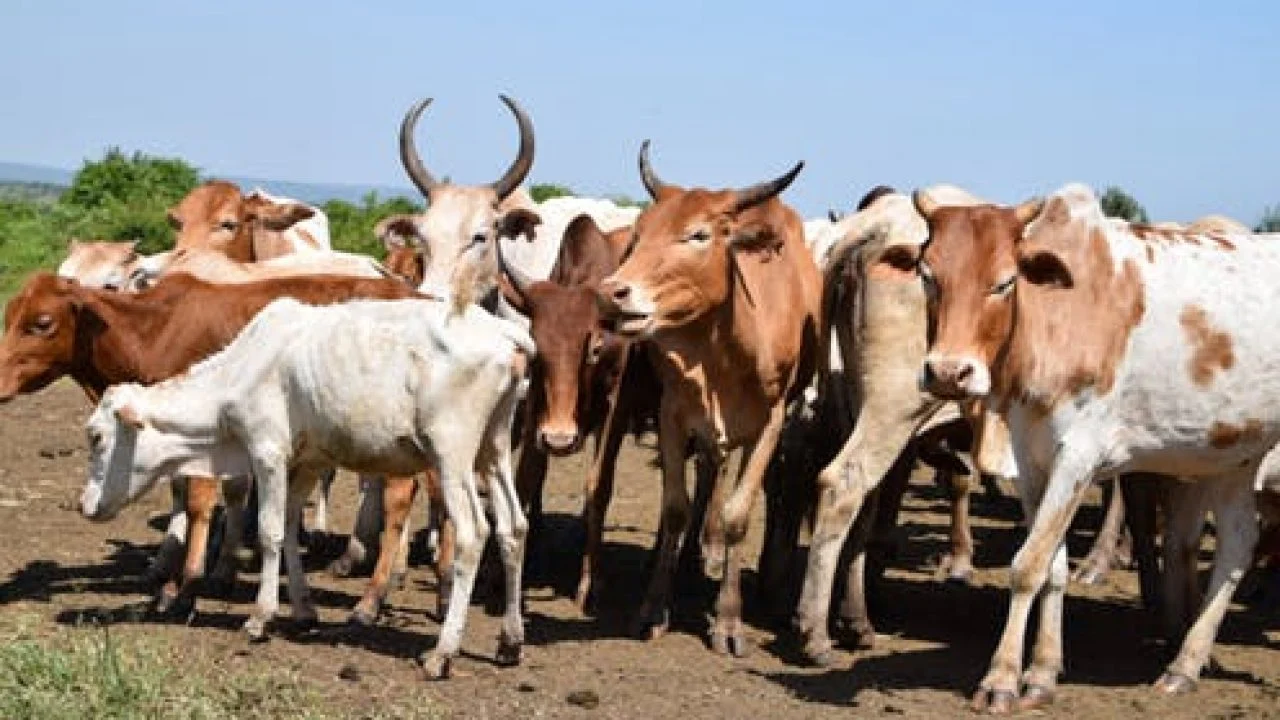
Despite having one of the largest livestock populations in Africa including tens of millions of cattle, sheep, goats, and hundreds of millions of poultry Nigeria continues to struggle with low productivity. Challenges such as inadequate feed supply, weak animal health systems, poor genetics, and limited market infrastructure have held the sector back.
To address these gaps, the government’s reform agenda focuses on improving feed and fodder systems, expanding veterinary services, strengthening value chains, and investing in critical infrastructure and data systems.
Access to finance remains a major sticking point. Iyayi warned that high interest rates often exceeding 20 percent make it nearly impossible for farmers to scale operations or invest in modern practices. He called for new financing models that would offer single-digit interest rates to unlock growth across the sector.
Beyond financing, the plan also prioritises improving security in rural farming communities and reducing post-harvest losses, which are estimated to consume up to 40 percent of perishable agricultural output.
Participants at the discourse agreed that the stakes go far beyond agriculture, warning that persistent food shortages and rising prices could trigger wider economic and social instability if not urgently addressed.
As Nigeria pushes forward with its livestock expansion strategy, the success of the plan will likely depend on how effectively these reforms are implemented and whether they can deliver tangible improvements in food availability, affordability, and nutrition.
“Food security is no longer just an agricultural concern,” Iyayi emphasised. “It is central to national stability and economic resilience.”