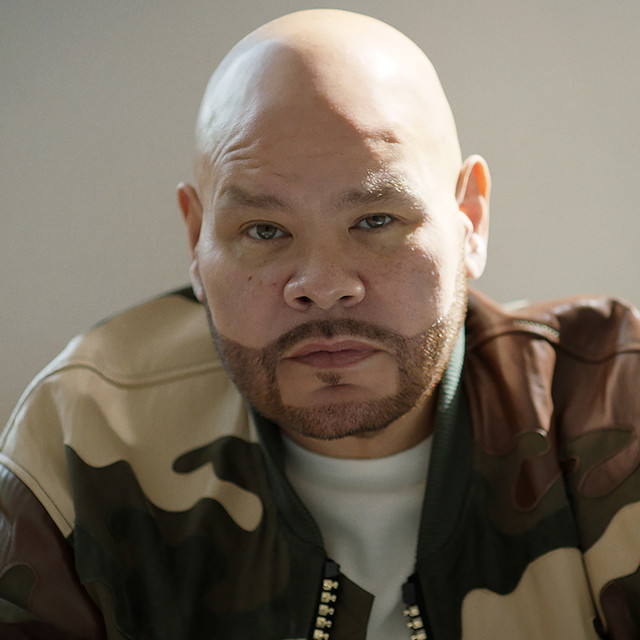
American rapper Fat Joe has stirred controversy after claiming that Afrobeats originated from Jamaica.
The hip-hop veteran made the statement during a recent episode of his Joe and Jada podcast, which featured Jamaican dancehall icon Buju Banton as a guest.
“Jamaica started Afrobeats. Even though everything comes from Africa,” Fat Joe said during the conversation.
Buju Banton did not challenge the remark. Instead, he shifted the discussion to the roots of reggaeton, crediting Panamanian artist El General for helping shape the genre and influence its global spread.
Afrobeats, however, is widely acknowledged as a modern African sound that developed in West Africa, particularly in Nigeria and Ghana. The genre draws inspiration from Afrobeat—the politically charged style pioneered by Nigerian music legend Fela Anikulapo-Kuti in the 1970s—while incorporating elements of highlife, hip-hop, R&B, and other global sounds.
Fat Joe’s comments quickly triggered reactions online, with many critics accusing him of misrepresenting the genre’s history and downplaying its African origins.
The debate adds to ongoing tensions around the global recognition of Afrobeats and its influences. Buju Banton has previously voiced criticism of the genre, arguing in a 2024 interview that some Afrobeats artists draw heavily from Jamaican reggae and dancehall without sufficient acknowledgment.
He also questioned the genre’s depth and suggested it may not have lasting staying power.
The latest remarks have reignited conversations about cultural influence, ownership, and the evolution of contemporary African music on the global stage.