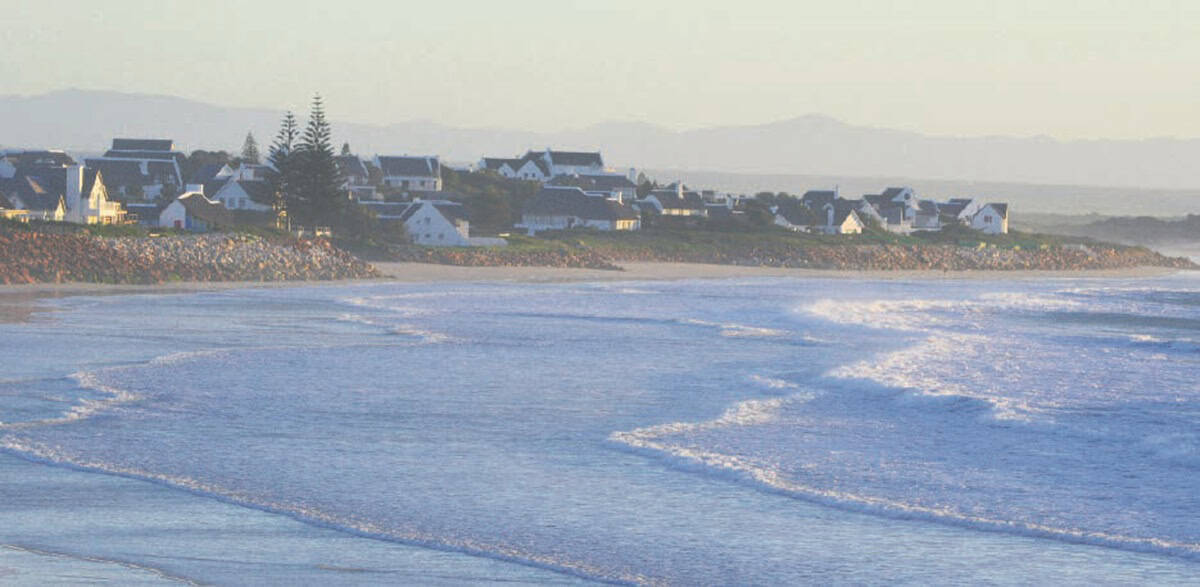
Eskom has defended its nuclear-powered electricity generation plans in the Eastern Cape’s Thyspunt, one of South Africa’s most sensitive coastal landscapes, or Bantamsklip in the Western Cape, insisting nuclear energy remains a key part of the country’s future energy mix.
The proposal, which has sparked fierce resistance from environmentalists for over a decade, has re-emerged following the publication of the draft Integrated Resource Plan 2025.
Eskom defends Eastern Cape nuclear bid
According to Eskom, the revival of the project is not a new initiative but, rather, the continuation of a long-term strategy.
The power utility said it purchased the Thyspunt and Bantamsklip sites specifically for potential nuclear development and that the plans align with government’s latest energy blueprint.
While critics have questioned the affordability of another nuclear build programme, Eskom said it is too early to place a price tag on the project.
“No final project scope, technology selection or procurement decision has yet been made,” said Eskom spokesperson Daphne Mokwena.
She said a range of internationally proven reactor technologies – including potentially modular deployment approaches designed to improve affordability and reduce construction risks – were being explored.
Environmental activists biggest obstacles to project
The utility also stressed that no technology suppliers or financing partners have been selected at this stage.
Environmental concerns raised by the Thyspunt Alliance, a coalition of residents and environmental activists that successfully challenged earlier nuclear proposals, remain one of the biggest obstacles facing the project.
The alliance has warned that a nuclear power station at Thyspunt could threaten sensitive marine ecosystems, squid spawning grounds, wetlands and the world-renowned Seal Point surf break.
Mokwena said independent specialist studies are being conducted as part of the environmental impact assessment (EIA) process.
These studies assess potential impacts on biodiversity, coastal processes, marine ecosystems and socio-economic activities before any final decisions are made.
Public consultation
Eskom also rejected criticism that communities were given insufficient time to participate in the current environmental process, saying public consultation is being conducted in accordance with legislative requirements governing EIAs.
Beyond energy security, Eskom argued that a nuclear power station could deliver substantial economic benefits to the Eastern Cape through employment, supplier development, skills transfer and infrastructure investment.
Nuclear power, Eskom maintained, is essential if SA was to move away from coal while maintaining a stable electricity supply.
“Nuclear technology doesn’t only provide clean and baseload energy, it also provides the flexibility required to support non-dispatchable renewable energy sources,” Mokwena said.
For Eskom, that makes nuclear a necessary part of the country’s energy future. For environmentalists, however, the battle over Thyspunt is far from over.