Investors bet on diplomatic breakthrough, lifting global stocks and weakening safe-haven demand….
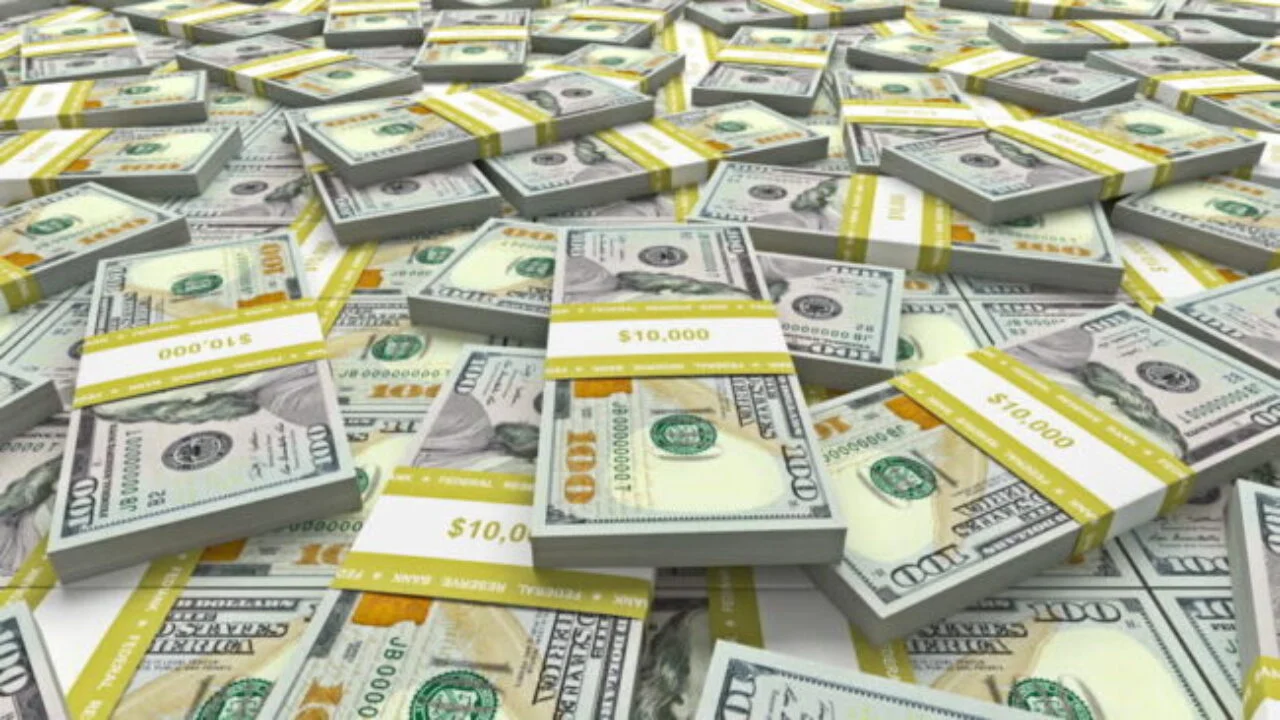
The U.S. dollar slipped to its lowest level in over six weeks on Tuesday, as improving investor sentiment reduced demand for the traditional safe-haven currency amid cautious optimism over a potential breakthrough in U.S.–Iran tensions.
The dollar index, which measures the greenback against a basket of major currencies, dropped to 98.298, its weakest point in roughly a month and a half.
The decline came as global markets leaned into riskier assets, encouraged by signs that diplomacy may still be in play despite the United States moving forward with a blockade of Iranian ports following the collapse of weekend peace talks.
Euro and Pound Gain Ground
As the dollar weakened, major currencies edged higher.
The euro ticked up modestly to $1.1769, while the British pound climbed to its strongest level in more than six weeks, reaching $1.3521.
The moves reflect a broader shift in market positioning, with investors dialing back defensive trades and rotating into assets perceived to offer higher returns.
Much of the improved sentiment stems from comments by U.S. President Donald Trump, who indicated that Iran is eager to negotiate, even as he reaffirmed that Washington would not accept any deal allowing Tehran to develop nuclear weapons.
That combination of firm policy and openness to talks has given investors hope that an escalation may still be avoided.
Markets quickly seized on the possibility of a diplomatic “off-ramp,” helping to lift equities across regions.
Stocks Rally Across Global Markets
Investor confidence was reflected in strong equity gains.
MSCI’s broad index of Asia-Pacific shares outside Japan jumped nearly 2 percent, while Japan’s benchmark Nikkei 225 surged more than 2 percent.
Futures markets also pointed to sustained momentum:
- Nasdaq futures rose 0.2 percent
- S&P 500 futures held steady after overnight gains
- Europe’s EURO STOXX 50 futures climbed 0.41 percent
- Germany’s DAX futures advanced 0.6 percent
The gains followed a solid session on Wall Street, reinforcing a global rebound driven by expectations of easing tensions.
Blockade Adds Uncertainty to Oil Routes
Despite the upbeat market tone, geopolitical risks remain elevated.
The U.S. military has begun enforcing a blockade of Iranian ports, a move that has drawn strong criticism from Tehran and heightened concerns over the stability of the Strait of Hormuz, a key corridor for global energy shipments.
Still, early signs suggest that some shipping activity continues. Data indicated that a Chinese tanker under U.S. sanctions successfully passed through the strait on Tuesday, underscoring the nature of enforcement and compliance.
Trump has warned that any Iranian vessels approaching the blockade could face immediate military action, further emphasizing the fragile security environment in the region.
Oil Prices Retreat on Diplomatic Hopes
Oil markets, which had initially surged on supply fears, turned lower as expectations for renewed dialogue gained traction.
Brent crude futures fell 1.5 percent to $97.90 per barrel, while U.S. crude dropped 2.3 percent to $96.78.
The pullback suggests that traders are placing greater weight on the possibility of negotiations rather than an extended disruption to supply.
A Market Balancing Risk and Opportunity
For now, global markets appear to be navigating a narrow path between geopolitical risk and economic opportunity.
While military developments continue to unfold, investor focus has shifted toward the possibility that diplomacy could prevent further escalation.
That delicate balance is keeping risk appetite alive though any shift in tone from either side could quickly alter the outlook.