
The increasing wave of political instability and military coups across West Africa is being driven largely by the failure of democratic governments to deliver tangible benefits to citizens, analysts have said.
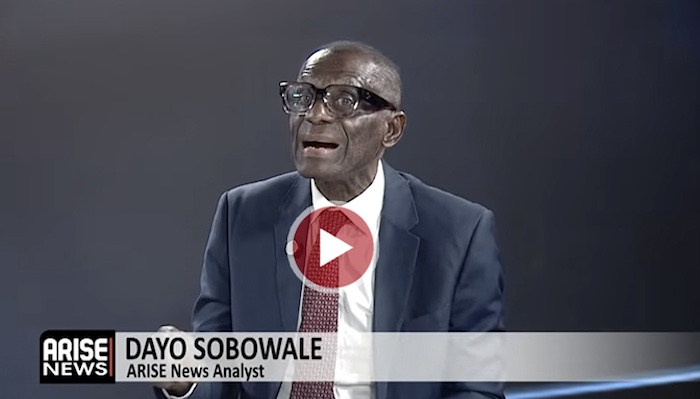
Speaking during an interview on ARISE News, analyst Dayo Sobowale said democracy in the region is facing serious challenges not because the system itself is flawed, but because governance has failed to meet the basic expectations of the people.
“Democracy must bring food to the table for people, the quality dividend of democracy,” he said.
Sobowale explained that the inability of governments to translate democratic rule into improved living conditions has created widespread dissatisfaction, making alternative forms of governance, including military intervention, appear appealing to some segments of the population.
“But it has not been… that’s why you have a coup,” he added.
According to him, the core problem lies in the breakdown of the social contract between governments and citizens, where elected leaders fail to provide security, economic stability, and basic welfare.
“The honoring of the social contract is the sine qua non for democracy to exist as it is expected to,” he stated.
He said that once governments fail to protect lives and provide for the needs of citizens, their legitimacy becomes weakened, creating room for instability.
“Once that social contract is broken… who are you to rule over them?” he said.
Sobowale further identified corruption, poor governance, and the tendency of political leaders to cling to power as key factors undermining democratic systems in the region.
“Poor governance, corruption, and tenacity of office… people don’t want to leave the stage,” he said.
He added that these governance failures are compounded by broader structural challenges, including climate change and insecurity, particularly in the Sahel region, where migration pressures and resource scarcity are fueling conflict.
“Our own, in West Africa, is the climate driving people… looking for water and food,” he explained.
Sobowale said the absence of effective government presence in some areas has allowed non-state actors and insurgent groups to fill the gap, further weakening state authority.
“When they don’t have means of existing… insurgent groups… offer them protection,” he said.
Despite these challenges, he maintained that democracy remains the most viable system of government but requires reforms and stronger commitment from leaders.
“I wouldn’t say democracy is not working, but it’s facing serious challenges,” he said.
Sobowale also called on regional leaders to move beyond discussions and implement concrete measures to improve governance and restore public trust.
“I’m happy they’ve done good analysis, but let them work the talk,” he said.
Sobowale concluded that the survival of democracy in West Africa will depend on governments’ ability to deliver real economic and social benefits, warning that failure to do so will continue to fuel instability and erode public confidence in democratic institutions.
By Ojo Triumph