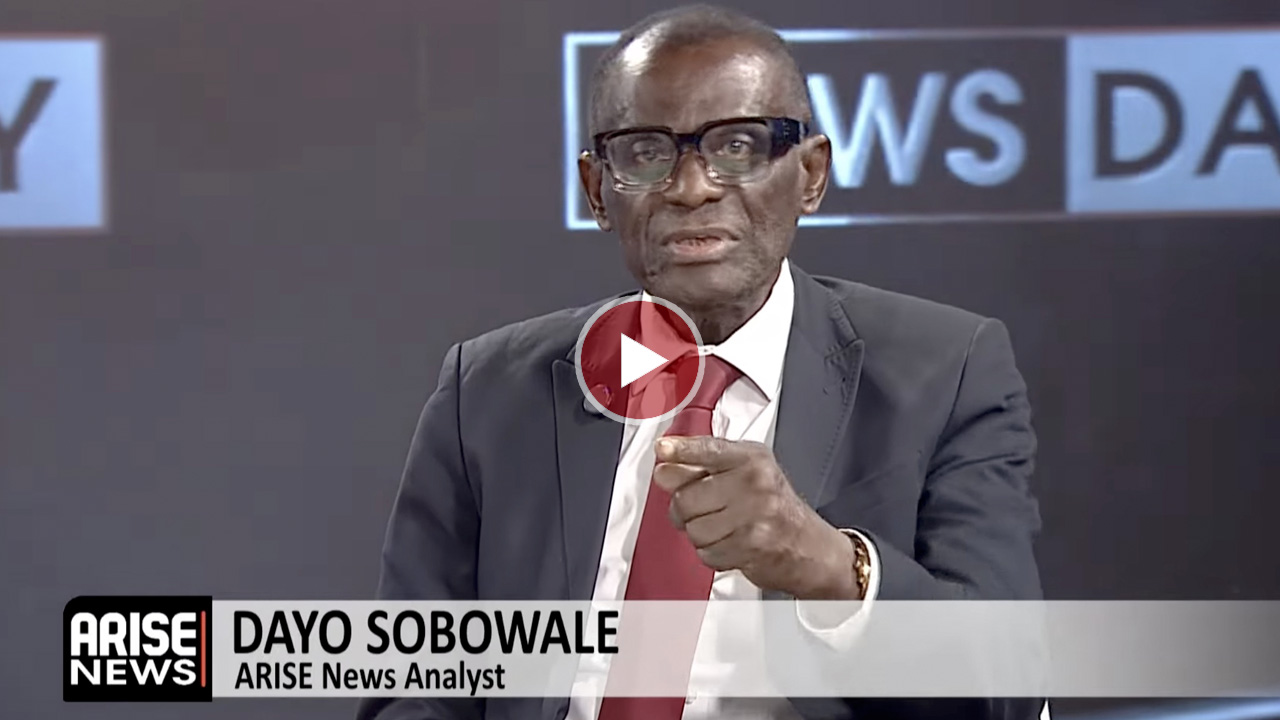
Calls for Nigeria’s electoral timetable to be adjusted on religious grounds have drawn strong criticism from analyst Dayo Sobowale, who warned that such proposals could deepen divisions and inflame tensions in the country.
Speaking during an interview on ARISE News, Sobowale dismissed suggestions that the Independent National Electoral Commission (INEC) should alter its schedule to accommodate religious considerations, insisting that the proposal threatens the secular foundations of the Nigerian state.
“The call should be totally ignored,” he said.
Sobowale argued that allowing religion to influence the electoral calendar could create dangerous precedents capable of destabilising the country’s already fragile political and social balance.

“It is aimed at destabilising the peace of the Nigerian nation on a religious ground,” he stated.
According to him, Nigeria’s political system is already grappling with heightened religious sensitivities following the emergence of a Muslim-Muslim presidential ticket.
“It was bad enough that we had the Muslim-Muslim ticket,” he said.
He warned that introducing further religious considerations into electoral processes could intensify public resentment and deepen national divisions.
“This is another provocative call,” he added.
Sobowale further described the proposal as insensitive and dangerous, stressing that religious issues often provoke emotional reactions capable of escalating tensions quickly.
“Religion is a very blind thing… people can become so incensed,” he said.
He maintained that Nigeria must avoid policies or decisions that appear to favour one religious group over another.
“We don’t want a nation like that,” he stated.
According to Sobowale, accepting such demands could embolden similar requests in the future and undermine the neutrality expected of democratic institutions.
“If it is heeded, it will destabilise the country,” he warned.
He also rejected comparisons with countries where religion heavily influences state affairs, insisting that Nigeria’s democratic structure requires moderation and inclusiveness.
“This is not Pakistan. This is not Malaysia,” he said.
Sobowale urged political leaders to exercise caution in their public statements, particularly on sensitive issues involving religion and elections.
“It’s a very arrogant, cheeky call and it should be ignored,” he said.
He further suggested that the timing and tone of the comments may have been politically motivated.
“When people think they are getting irrelevant… they make some suggestions that may provoke people,” he stated.
Despite the controversy, Sobowale expressed hope that Nigeria’s democracy can eventually evolve beyond ethnic and religious divisions if political actors choose to prioritise national unity.
“When we decide, that is the time,” he said.
Sobowale concluded that Nigeria’s electoral system must remain insulated from religious pressures, warning that introducing sectarian considerations into election planning could threaten national stability and weaken democratic cohesion.
By Ojo Triumph