NUPRC says producers offered more crude than allocated in Q2, but commercial terms left 15.6m barrels of offered volumes unused
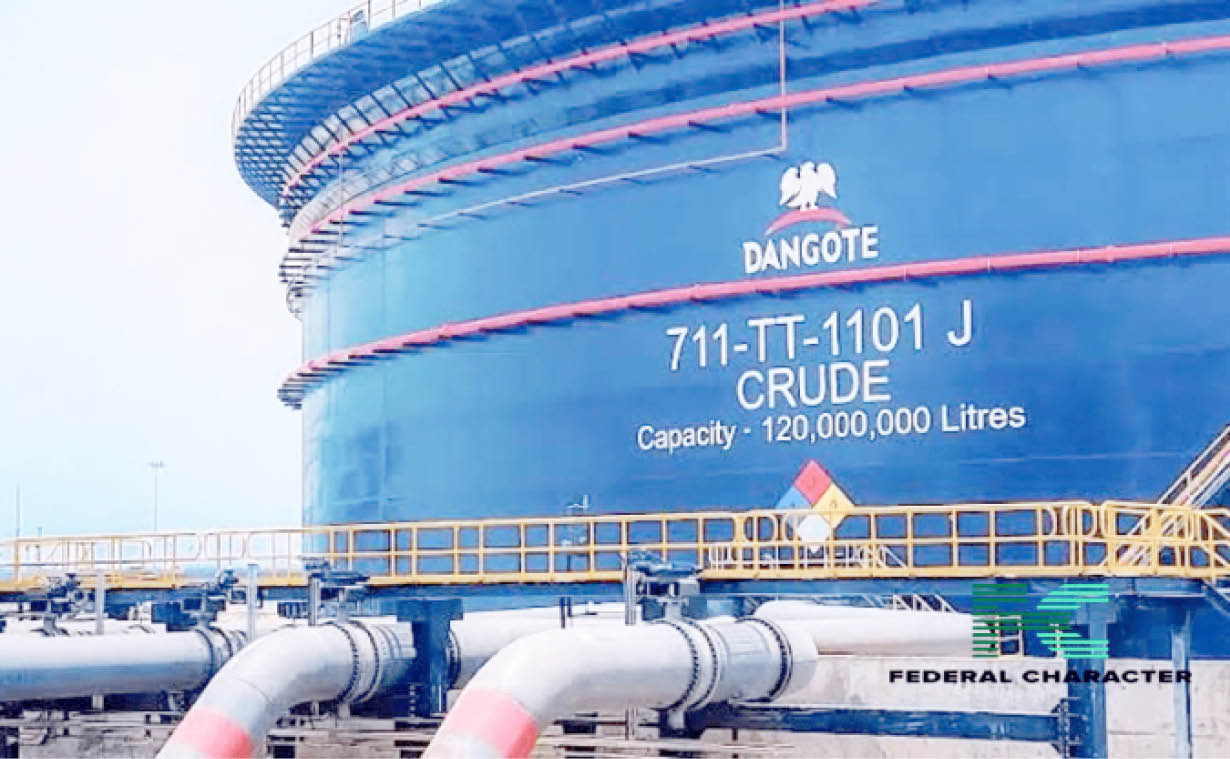
The Dangote Refinery accounted for almost all the crude oil offered to Nigeria’s domestic refineries in the second quarter of 2026, according to new data from the Nigerian Upstream Petroleum Regulatory Commission (NUPRC).
The regulator said producers offered 68.1 million barrels of crude oil and condensate to Dangote between April and June, representing about 98 per cent of the 69.3 million barrels offered to all domestic refiners during the period.
However, the refinery did not take the entire volume offered.
Dangote accepted 52.6 million barrels, meaning it received about 77 per cent of what producers offered and roughly 10.4 million barrels less than its stated requirement of 63 million barrels for the quarter.
The figures highlight the growing scale of Nigeria’s Domestic Crude Supply Obligation (DCSO), while also exposing the gap between crude volumes made available by producers and what local refineries ultimately purchase.
The DCSO is being implemented by the NUPRC under Section 109 of the Petroleum Industry Act (PIA), which requires crude producers to make supplies available to domestic refineries.
Producers offered more than their allocation
According to the NUPRC, domestic refiners were offered a total of 69.3 million barrels during the quarter.
This was significantly above the 55.1 million barrels allocated to producers for domestic supply between April and June.
Producers therefore offered 14.2 million barrels more than their allocation, representing an increase of about 25.8 per cent.
Actual deliveries, however, were considerably lower.
Local refineries received 53.7 million barrels, leaving approximately 15.6 million barrels of the volumes offered unutilised.
Actual supplies were also about 1.4 million barrels below the total volume allocated by the NUPRC.
The difference shows that meeting the DCSO is not determined solely by how much crude producers offer. The quantity ultimately delivered depends partly on commercial transactions between producers and refiners.
‘Willing buyer, willing seller’ principle affects deliveries
The NUPRC explained that the DCSO process begins with monthly consultations between crude producers and licensed domestic refineries.
Following those consultations, producers receive specific volumes of crude and condensate to offer to domestic refiners.
The actual transactions, however, are conducted under the PIA’s “willing buyer, willing seller” principle.
As a result, the quantity producers offer does not automatically become the quantity refiners purchase and receive.
This commercial arrangement helps explain why producers could offer substantially more crude than their allocated volumes while actual deliveries remained below both the offers and, in some months, the allocations.
Dangote dominates domestic crude intake
Although Dangote did not take everything offered to it, its intake dwarfed that of the other domestic refineries.
The refinery received 52.6 million barrels, accounting for approximately 98 per cent of the 53.7 million barrels actually supplied to all local refiners during the quarter.
The figures underline the refinery’s dominant position in Nigeria’s emerging domestic crude-to-products market.
Dangote’s Q2 requirement was put at 63 million barrels, but the refinery received 52.6 million barrels, leaving a shortfall of about 10.4 million barrels against its stated requirement.
The refinery has previously identified securing adequate and reliable crude supplies as one of the challenges affecting its operations, making the latest DCSO figures particularly significant for Nigeria’s refining ambitions.
April performance exceeded allocation
The quarterly figures also reveal considerable month-to-month fluctuations in domestic crude supply.
In April, producers were allocated 18.13 million barrels but offered 19.31 million barrels to domestic refiners.
Actual supplies reached 20.88 million barrels, equivalent to 114.9 per cent of the monthly allocation.
The result meant domestic deliveries exceeded the month’s allocation by about 2.75 million barrels.
The situation changed sharply in May.
May records supply shortfall
In May, producers were allocated 18.78 million barrels and offered 23.19 million barrels.
Actual deliveries, however, fell to just 14.23 million barrels.
That represented 75.8 per cent compliance with the monthly allocation and left a shortfall of approximately 4.55 million barrels.
The figures again demonstrate the distinction between crude made available by producers and volumes ultimately taken by domestic refiners.
Supplies rebound in June
Performance improved again in June.
Producers were allocated 18.17 million barrels and offered 26.84 million barrels to local refiners.
Actual supplies came to 18.61 million barrels, representing 102.4 per cent performance against the monthly allocation.
Across the three months, producers therefore consistently offered more crude than the quantities allocated to them, but actual deliveries fluctuated according to commercial transactions and the quantities refiners were able or willing to purchase.
NUPRC links improvement to higher production
The upstream regulator attributed the improvement in DCSO implementation partly to rising domestic oil production.
It also pointed to the signing of long-term crude supply agreements backed by bankable Sales and Purchase Agreements (SPAs) between producers and domestic refineries.
According to the commission, these arrangements are helping provide greater certainty around crude supplies and strengthening the foundation for local refining.
The NUPRC described the Q2 results as evidence that the DCSO was being “actively administered and enforced” and said it would continue working to sustain the improvement.
The regulator said it would also use the framework provided by the PIA to support higher crude production while enforcing domestic supply obligations.
What the numbers mean for Nigeria’s refining push
The latest figures come as Nigeria seeks to reduce its reliance on imported petroleum products by expanding domestic refining.
Having crude available locally is critical to that ambition. Refineries can only operate consistently if they have access to sufficient feedstock at commercially viable terms.
The Q2 data suggest that Nigeria is making progress in getting producers to offer crude to domestic refiners. But the gap between 69.3 million barrels offered and 53.7 million barrels actually delivered shows that supply availability alone may not be enough.
The commercial terms governing transactions will remain crucial.
For Dangote, the numbers also present a mixed picture. The refinery dominated domestic crude intake, receiving almost all crude supplied to local refiners, but still fell short of its stated quarterly requirement.
For the NUPRC, sustaining higher crude production, strengthening long-term supply agreements and ensuring compliance with the DCSO will be central to closing that gap.
As Nigeria pushes to build a stronger domestic refining industry, the success of the policy may ultimately depend not just on how much crude producers are required to offer, but on how much crude local refineries can actually secure and process under workable commercial arrangements.