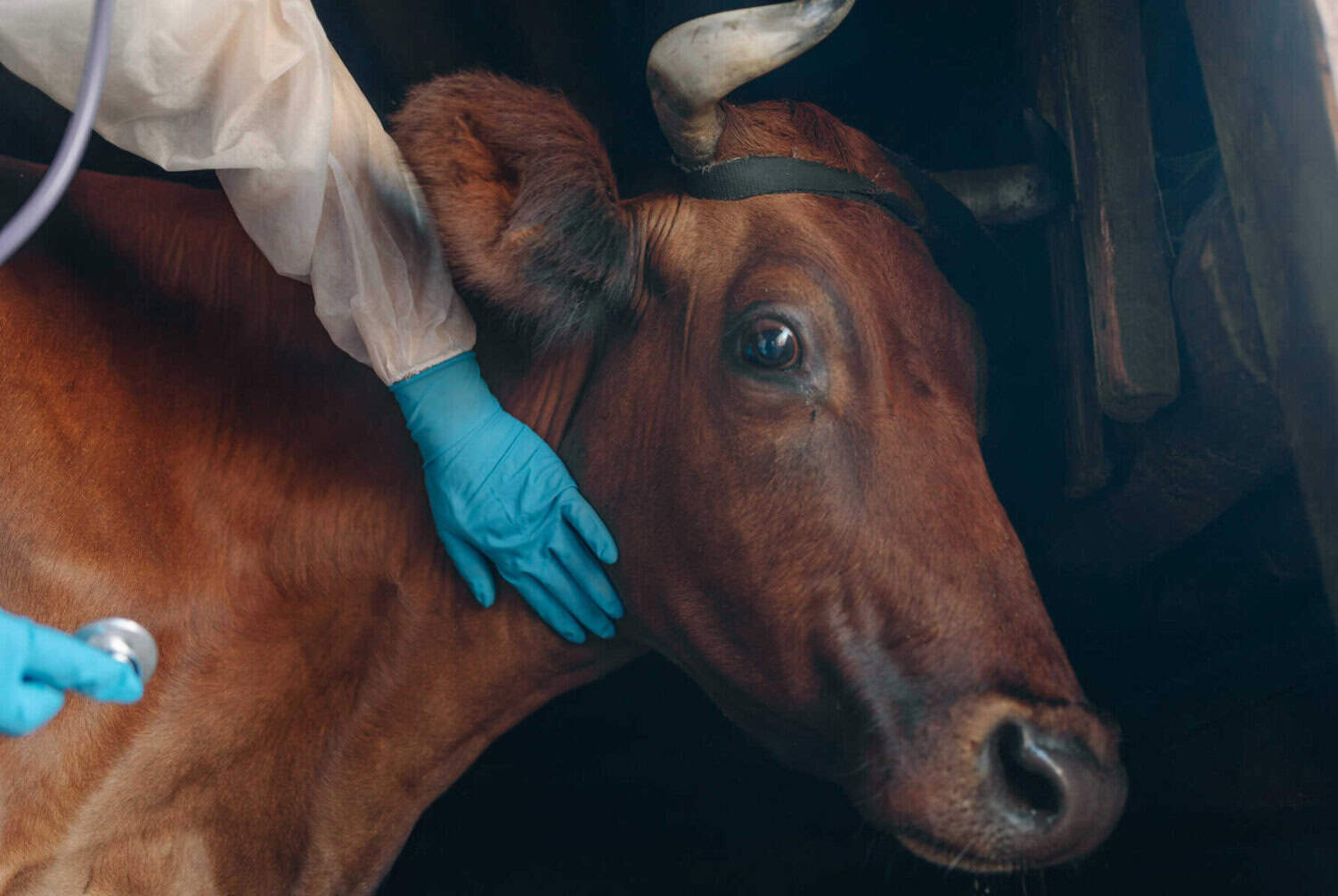
The Pretoria High Court has ruled that farmers may procure from lawful importers, manufacturers or their lawful agents of Foot and Mouth Disease (FMD) vaccines.
Southern African Agri Initiative (SAAI) CEO Francois Rossouw has described the judgment in the Pretoria High Court against the Minister of Agriculture and other state institutions as a victory for every livestock and game farmer in South Africa.
Rossouw welcomed the judgment by Judge Van der Westhuizen, who found that the Minister of Agriculture, his department and senior officials never had a valid defence, and are responsible for the months-long delay in implementing an effective private-sector-led vaccination campaign, which caused hundreds of farming operations to collapse or suffer severe damage.
“After more than a year of uncontrolled spread of this state-controlled disease, it finally offers hope that the involvement and initiative of the private sector can provide the critical capacity needed to stop the disease,” he said.
Quicker vaccine rollout
FMD Response SA, an industry body of more than 250 farmers, said the ruling was a critical step in accelerating vaccination efforts needed to contain the spread of the disease.
“The government’s stated goal is to vaccinate 80% of cattle by the end of December, despite the programme starting in February. An 11-month vaccination programme is too slow to achieve the simultaneous immunity required to stop disease transmission and meet the World Organisation for Animal Health standards for controlling FMD,” spokesperson Andrew Morphew said.
He said it remains essential that vaccination takes place within a tight six-to-eight-week window so that cattle develop simultaneous immunity and the virus stops spreading between herds.
Morphew warned that the judgment does not create a free-for-all or give farmers an automatic right to import vaccines themselves.
“It confirms that farmers may procure and administer FMD vaccines that have been lawfully imported or lawfully manufactured, under auditable conditions. The key question now is whether lawful private importers, manufacturers, and their agents will be allowed to bring vaccines into the country and make them available to farmers without unnecessary delay,” he added.
Morphew said the government and South African Health Products Regulatory Authority (Saphra) must now ensure that lawful private vaccine channels can operate at the speed and scale this crisis requires.
“FMD Response SA also notes that there are credible reports that more than 90% of commercial beef farmers in KwaZulu-Natal have been unable to access state vaccines and that cattle at commercial farms in that province remain unvaccinated. Reports such as this show precisely why the private sector needs to be able to administer vaccines with speed and scale,” he added.
Private vaccines
Morphew said it was essential that the government does not stand in the way of the private sector importing FMD vaccines and selling them to private farmers.
The Minister of Agriculture, John Steenhuisen, has noted the interim order handed down by the Gauteng Division of the High Court relating to the procurement and administration of FMD vaccines.
“The minister notes that the practical effect of the matter is now largely overtaken by the gazette Section 10 animal health scheme, which already provides a lawful framework for participation by private industry role players in the national vaccination effort,” he said.
Steenhuisen said the department’s objective remains to vaccinate at least 80% of the national cattle population with two doses of vaccine as swiftly as possible, and added that approximately 13.5 million FMD vaccine doses from local and international sources have been procured as part of the government’s intensified response to the outbreak.