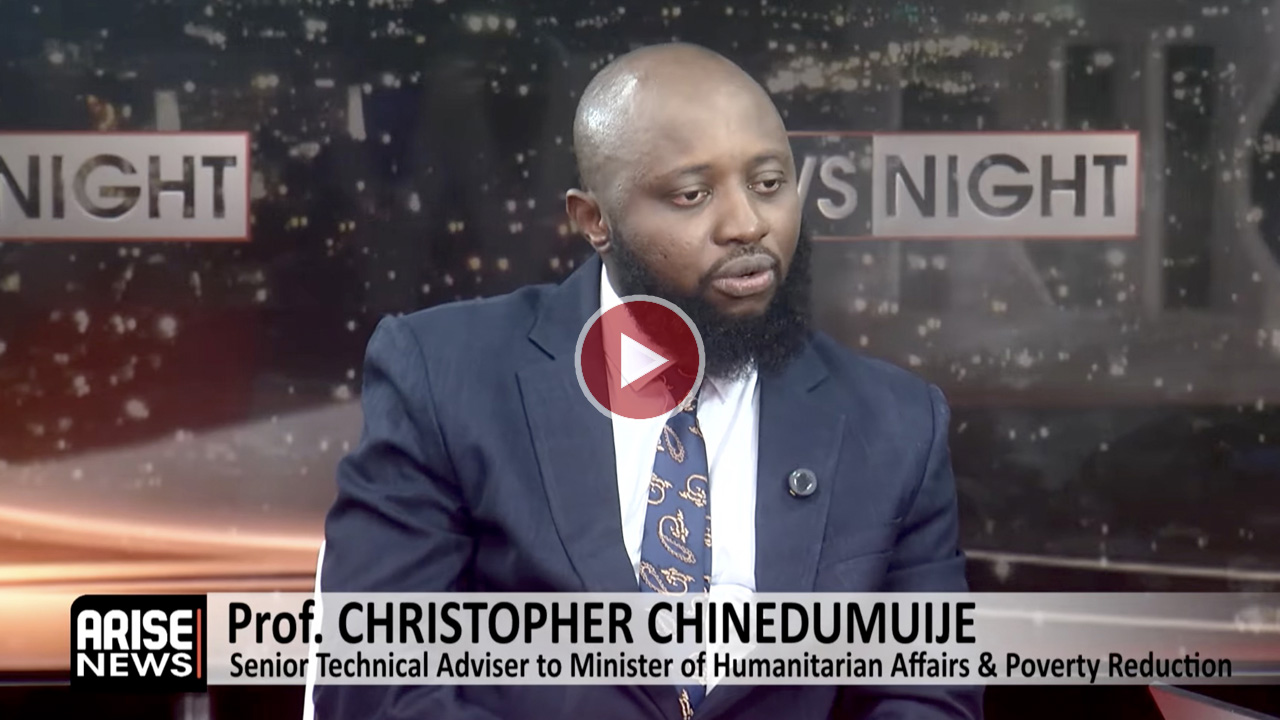
The senior technical adviser to the Minister of Humanitarian Affairs and Poverty Reduction, Professor Christopher Chinedumuije has said that President Tinubu is deeply committed to poverty reduction in Nigeria, while noting that recent reforms aim to improve the social welfare of Nigerians.
“We must acknowledge Mr. President’s deep commitment to reducing poverty,” he stated.
He explained that Nigeria’s social welfare system was previously fragmented across multiple ministries, leading to duplication and difficulty in measuring impact.
According to him, the government has now introduced a unified “One Humanitarian, One Poverty Response System” to coordinate all poverty reduction efforts under a single framework and improve accountability in tracking outcomes.
“Poverty in Nigeria is multidimensional. Recognizing this, when we came on board, our primary focus was to unify all social welfare interventions under a single, cohesive framework.
“Previously, investments were highly fragmented across various sectors, leading to significant duplication. This fragmentation made it incredibly difficult to accurately measure overall impact.
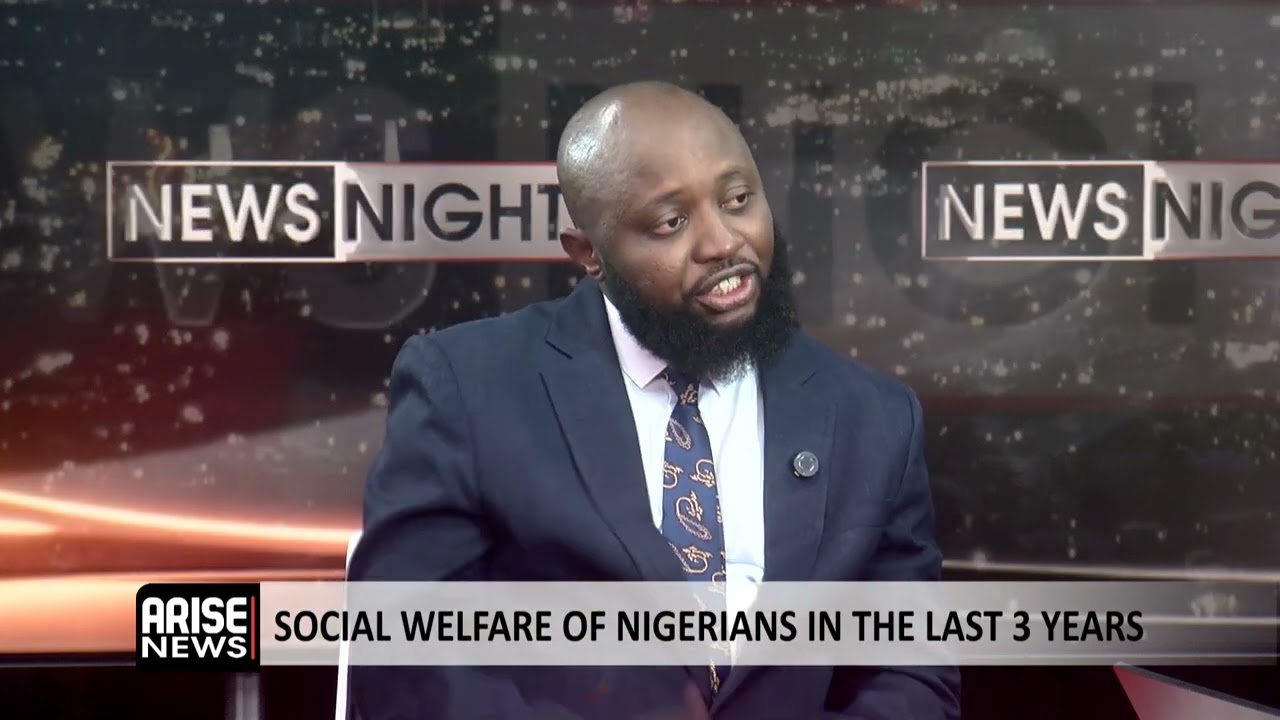
“To address this, the Minister adopted a heavily reform-oriented approach upon taking office. This led to the creation of the One Humanitarian, One Poverty Response System. This unified framework ensures that all partners and government MDAs implementing poverty reduction initiatives feed into a single system, allowing us to accurately measure how many people we are lifting out of poverty,” he explained.
Speaking on the federal government’s poverty response system, Prof. Chinedumuije said cash transfers serve as a temporary safety net while broader reforms continue.
“It is important to clarify that the current cash transfer program is a shock-responsive social protection intervention. It functions essentially as a safety net to prevent more Nigerians from slipping into extreme poverty. It is an immediate cushion while permanent solutions are being developed,” he clarified.
Outlining government’s long-term poverty alleviation measures, the senior adviser said Nigeria’s new National Social Protection Policy, nearing launch, will be backed by legislation and a financing framework to ensure sustainable funding and a structured pathway for beneficiaries to exit poverty.
“Long-term sustainable change relies entirely on solid policy. Previously, Nigeria lacked a comprehensive National Social Protection Policy. Through the dedication of Mr. President and the Minister of Humanitarian Affairs and Poverty Reduction, we have just concluded the technical review for the National Social Protection Policy, which will officially launch next month.
“Crucially, this policy will be legally backed by a legislative instrument and a robust financing framework. This will provide a clear projection of the resources required to fund social protection interventions while systematically linking beneficiaries to a sustainable poverty exit and graduation framework,” he assured.
Favour Odima