China Denies Trump’s 2020 Election Interference Claims
A fresh diplomatic dispute has emerged between Washington and Beijing after China rejected President Donald Trump’s allegations that it interfered in the 2020 U.S. election. China’s Foreign Ministry spokesperson Lin Jian dismissed the claims as “entirely fabricated,” urging the Trump administration to stop making what he described as baseless accusations. Lin said Beijing has no …
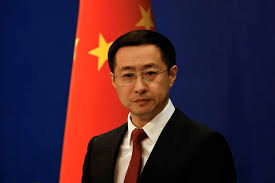
A fresh diplomatic dispute has emerged between Washington and Beijing after China rejected President Donald Trump’s allegations that it interfered in the 2020 U.S. election.
China’s Foreign Ministry spokesperson Lin Jian dismissed the claims as “entirely fabricated,” urging the Trump administration to stop making what he described as baseless accusations.
Lin said Beijing has no interest in influencing U.S. elections and has never engaged in such activities.
Responding to questions over whether the dispute could affect Chinese President Xi Jinping’s planned visit to the United States in September, Lin called on Washington to focus on issues that would improve relations between the two countries.
The response followed Trump’s address on Thursday, where he announced the release of documents he said contained intelligence showing major vulnerabilities in the U.S. election system.
Trump alleged that China carried out what he described as the largest compromise of election data in history during the 2020 election cycle, involving the alleged acquisition of millions of voter records.
He also accused U.S. authorities of withholding information about the alleged interference and ordered investigations into how the situation was handled.
The president used the claims to renew calls for stricter election security measures, including legislation requiring proof of citizenship for voter registration and identification at polling stations.
However, election experts have pushed back against claims of widespread fraud in the 2020 election, noting that multiple investigations, recounts and court cases did not find evidence that could have changed the outcome.
The latest exchange adds to ongoing tensions between the United States and China over security, trade and geopolitical issues.