Cardoso says early policy tightening saved Nigeria from deeper crisis as global tensions push prices upward…..
The Central Bank of Nigeria has defended its recent policy decisions, arguing that ongoing economic reforms have shielded Nigerians from the worst effects of global disruptions, even as inflation ticks upward again.
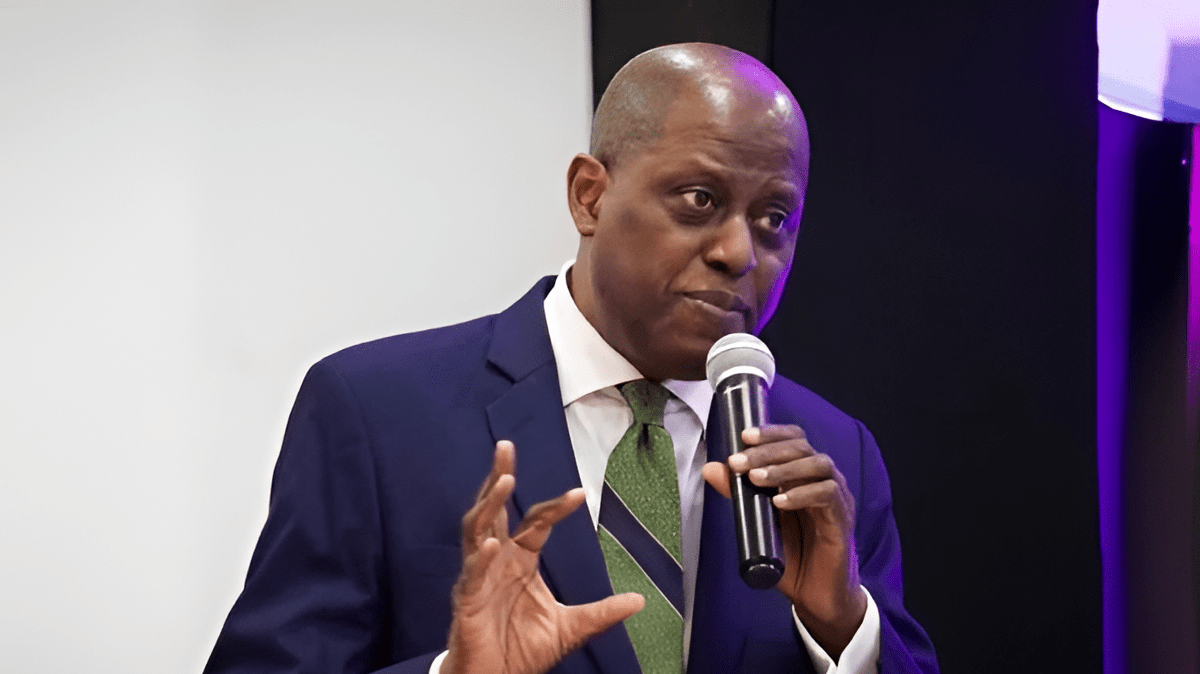
Speaking at the close of the Spring Meetings of the World Bank and International Monetary Fund in Washington, D.C., CBN Governor Olayemi Cardoso said the bank’s cautious and data-driven approach helped prevent a more severe economic fallout.
According to him, decisions taken by the Monetary Policy Committee (MPC) were based strictly on economic indicators, not sentiment and have proven effective in hindsight.
“If we had not acted when we did, the outcome for the country could have been far more difficult and painful,” Cardoso said, responding to concerns about rising inflation.
Nigeria’s inflation rate climbed to 15.38 percent in March 2026, marking its first increase in a year. The uptick follows months of steady decline and has been largely attributed to global shocks, particularly the economic ripple effects of escalating tensions involving the United States and Iran.
Cardoso acknowledged the increase but insisted it was not unexpected. He noted that external pressures especially rising energy, transport, and food costs have disrupted the downward trend.
“It is important to remember that inflation had been consistently easing prior to this,” he said, adding that the central bank deliberately avoided cutting rates too quickly despite mounting pressure to do so.
That caution, he explained, was rooted in concerns about potential global shocks concerns that have now materialised. According to the governor, members of the MPC had access to forward-looking data that justified a restrained approach at the time.
“We wanted uncertainties to clear before taking more aggressive action. What we are seeing now validates that decision,” he added.
Despite the current spike, the apex bank says it remains committed to bringing inflation down to single digits over time. Cardoso emphasised that maintaining stability is key to protecting Nigerians from the real-life impact of economic volatility.
He also pointed to early signs of macroeconomic stability, suggesting that some of the worst effects of past instability may already be easing.
The message was echoed by the Minister of Finance and Coordinating Minister of the Economy, Wale Edun, who said Nigeria is now in a stronger position to withstand external shocks.
Edun attributed this resilience to ongoing reforms, including the shift to a market-driven foreign exchange system and the removal of fuel subsidies—policies he said have strengthened the country’s economic foundations.
“Nigeria is better equipped to absorb global shocks and maintain stability,” he said, noting that the reforms have been widely acknowledged by international partners during the meetings.
He added that the absence of heavy subsidies and strict currency controls has allowed the economy to adjust more smoothly to external pressures without rapidly depleting foreign reserves.
Both officials stressed that the reform agenda remains on track, with a continued focus on stability, resilience, and inclusive growth.
As global uncertainties persist, policymakers say the priority is clear: stay the course, strengthen economic buffers, and ensure that reforms translate into tangible improvements in everyday life.