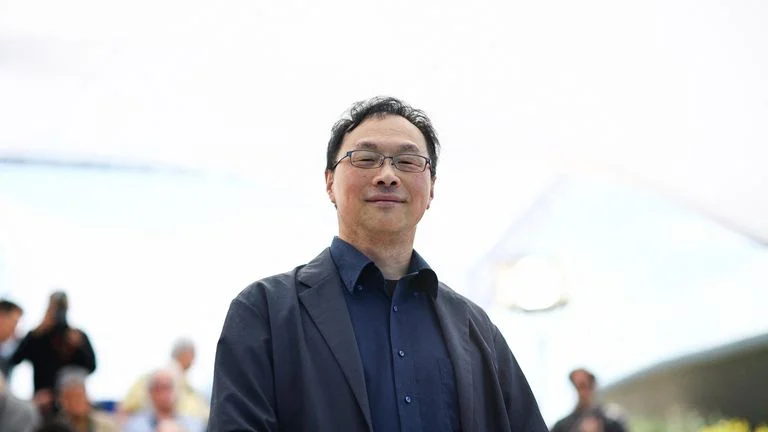
Japanese filmmaker Koji Fukada has cautioned that the growing use of artificial intelligence in creative work risks weakening the purpose of art, saying it can allow creators to “skip the process” and go straight to the final result.
Speaking at the Cannes Film Festival on Thursday, Fukada said art is meant to be rooted in self expression and a deeper engagement with the world, warning that AI-driven production could strip away that essential journey.
Fukada made the remarks while discussing his latest drama “Nagi Notes,” which is premiering at the festival and is set in rural Japan. The film, he explained, reflects on human creativity through the act of sculpture and the emotional processes behind artistic expression.
He argued that when AI is used to generate artwork or video, it risks bypassing the formative stages of creation. “We jump directly to the result,” he said in essence, adding that this could cause artists to lose sight of the reflective process that helps deepen understanding of life and society.
Nagi Notes follows Yuri, a Tokyo-based architect played by Shizuka Ishibashi, who travels to the village of Nagi in western Japan to visit her former sister in law Yoriko, portrayed by Takako Matsu. Yoriko becomes the subject of a sculpture Yuri is working on, setting the stage for a quiet exploration of human connection and creativity.
The story also introduces two local boys, Keita and Haruki, whose developing bond is observed with sensitivity as the film explores themes of identity and emotional discovery in adolescence.
Addressing questions about how audiences interpret same sex relationships on screen, Fukada said there remains a perceived imbalance in how such stories are viewed compared with heterosexual relationships. He expressed hope that in the future, representation across all sexual orientations would become so common that it no longer prompts debate or special scrutiny.
Fukada, who has previously competed at Cannes with films including “The Real Thing” and “Harmonium,” is once again in contention for the festival’s top prize, the Palme d’Or, which will be awarded on May 23.
Goodness Anunobi