Christian leaders under the umbrella of the Christian Association of Nigeria (CAN) have declared a three-day national mourning period and designated June 14, 2026, as “Black Sunday” in protest against the worsening insecurity across the country.
The resolutions emerged from the National Church Denominational Leaders Summit held in Abuja, where representatives of the five blocs of CAN expressed concern over escalating killings, kidnappings, terrorist attacks and the displacement of communities across Nigeria.
The mourning period will commence on Friday, June 12, and continue through Sunday, June 14, with churches across the country expected to observe Black Sunday in honour of victims of violence and in solidarity with affected families.
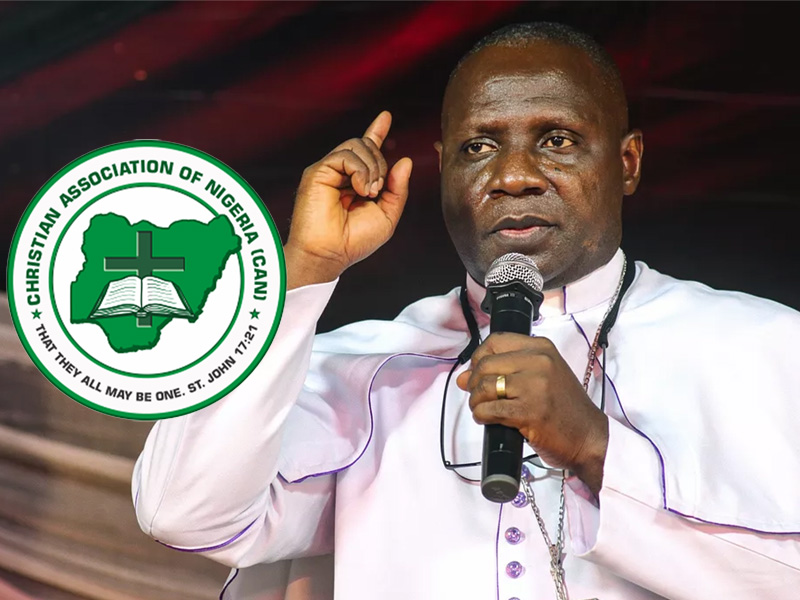
Reading the summit’s communique, CAN President Archbishop Daniel Okoh said Christian leaders were alarmed by the deteriorating security situation and called on the Federal Government to declare a state of emergency on security.
The summit also urged churches to strengthen support systems for victims of violence, displaced persons and affected communities through humanitarian assistance, trauma care, peacebuilding initiatives and youth engagement programmes.
On self-defence, the Christian leaders said citizens should be allowed to protect themselves within the limits of the law, amid growing concerns over the inability of existing security arrangements to adequately safeguard lives and property.
The summit cited recent incidents of mass abductions, killings and attacks in states including Oyo, Ogun, Borno, Kwara and Kogi, warning that the continued assault on human life, freedom and dignity poses a serious threat to national stability and development.
CAN demanded the immediate and unconditional release of abducted schoolchildren, teachers and other citizens currently held by criminal groups, while calling on security agencies to intensify rescue operations nationwide.
The Christian body also renewed its call for the establishment of state police and other decentralised security structures, arguing that such measures would improve intelligence gathering, rapid response and local accountability.
In addition, the summit called for a comprehensive review of Nigeria’s security architecture, stronger inter-agency coordination and enhanced operational effectiveness in the fight against terrorism, banditry and violent crime.
The leaders criticised what they described as the inadequate response of government authorities to persistent security threats and expressed concern that political activities and early electioneering were receiving attention while many communities remained under attack.
CAN further called on labour unions, professional associations, civil society groups, traditional institutions and other stakeholders to join efforts aimed at holding government accountable and ensuring sustained commitment to protecting lives and property.
The summit concluded with a pledge by church leaders to remain united in prayer, advocacy and engagement aimed at promoting peace, justice, security and national renewal.
By Friday Olokor