Screenshot
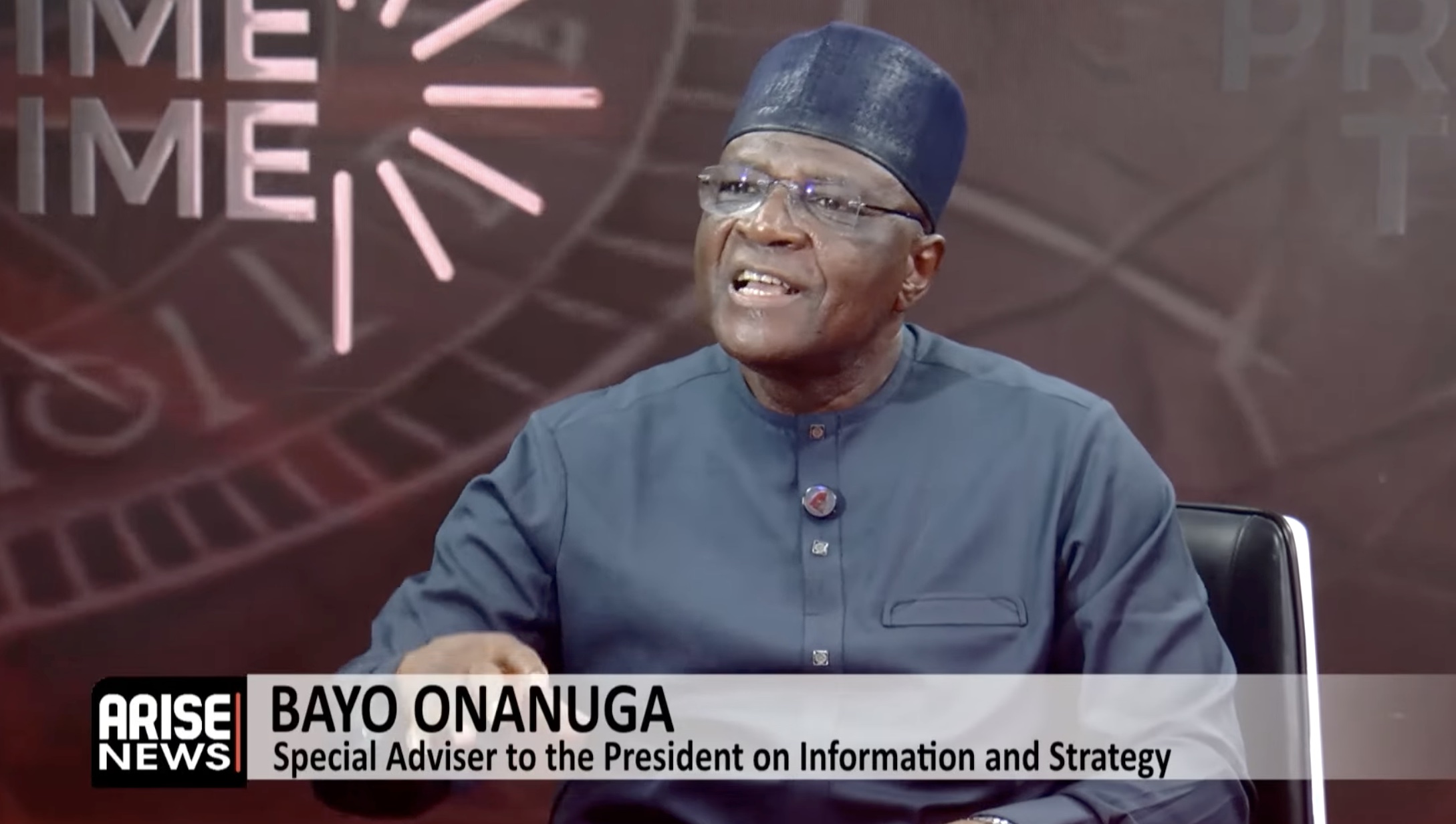
The Special Adviser to the President on Information and Strategy, Bayo Onanuga, has said ordinary Nigerians are beginning to reap the benefits of President Bola Tinubu’s reforms, pointing to ongoing infrastructure projects, economic interventions and development initiatives across various states as evidence that the country is moving in the right direction.
Onanuga made the remarks while reacting to comments by former Anambra State Governor and presidential candidate of the Nigeria Democratic Congress, (NDC), Peter Obi, insisting that growing public support reflects citizens’ appreciation of the administration’s efforts to improve living conditions and strengthen the nation’s economy.
“We just came back last week, I think on Thursday or so, from a tour of the southeast part of Nigeria. We are now going to the northwest. We talked to ordinary people. They were praising this president. People are praising the President. The states in Nigeria are alive. Because of President Tinubu’s policies, states now have a lot of money to embark on a lot of projects—projects that have impact on the people they govern. The states are getting more funds. And they are building schools, they are building roads, they are building health institutions. Things are really changing, and people should wake up to that—that things are changing and the nation is better for it,” he said.
Defending the administration’s economic policies, Onanuga argued that allowing the naira to trade at what he described as its “true value” had helped eliminate distortions in the foreign exchange market and created a more transparent economy
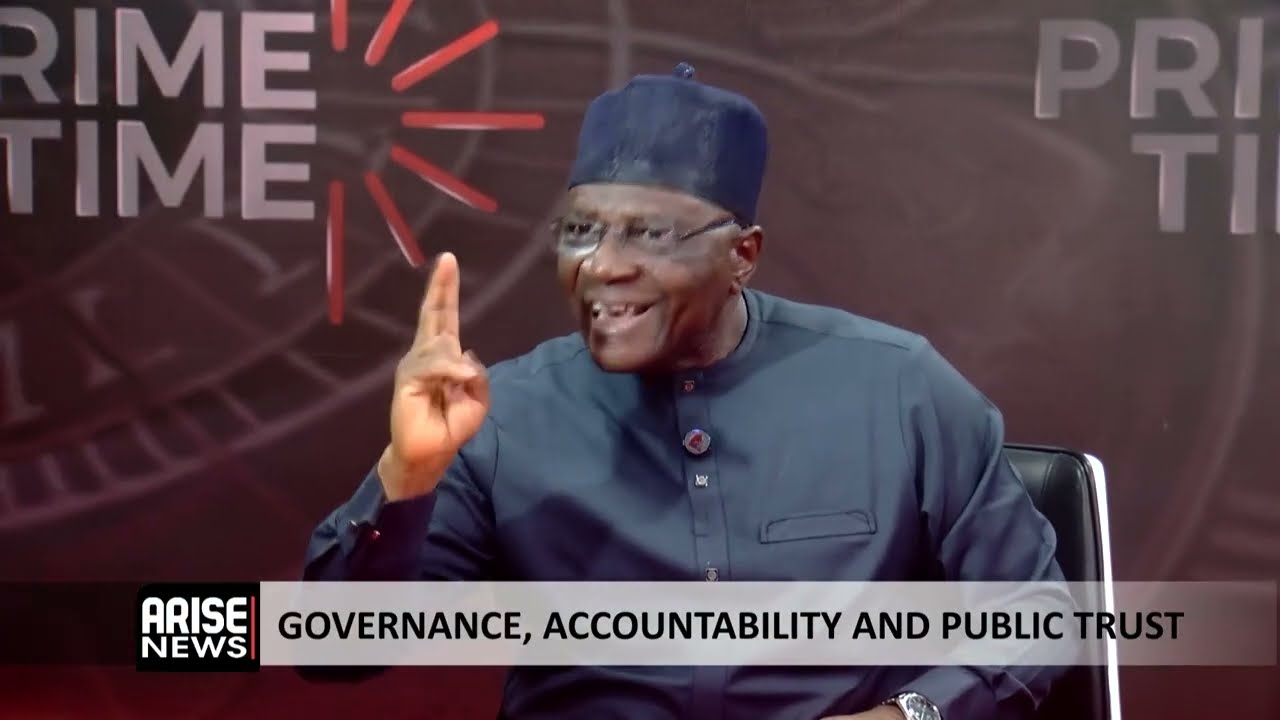
“The president simply did was say, ‘Look, let the Naira find its true value.’ Let the Naira find its true value. And I think yesterday or so, either it was the IMF or World Bank, they are also saying that the Nigeria currency’s true value is about 1,100 Naira or so. Even though today, it’s still 1,300 and something, even by CBN standards. Which means the Naira can even do better. The Naira has found its value, the Naira will appreciate more as we are going,” he insisted.
While acknowledging the rising cost of living, Onanuga said the economic challenges are part of the temporary pains associated with major reforms. He argued that improving macroeconomic fundamentals is necessary for long-term growth.
“I’m not saying there’s been no increase in the cost of living, I’ve not said so. But what I’m saying is things are not as dismal as the opposition is saying. If you look at the macroeconomic indicators, it shows that something is going on right for this country. And you have to get that macroeconomic sector right before you can even talk about micro. And there’s nowhere in the world where reforms that you are implementing, where they have been done, where people don’t go through certain pressures, certain pains. That’s what we are facing,” he explained.
Responding to concerns that public officials are insulated from the hardship facing ordinary Nigerians, Onanuga said the perception is not entirely accurate, claiming that some ministers have made personal sacrifices and, in certain cases, used their own resources to support the running of their offices and government activities.
“That’s not totally true. It will shock people that some ministers—some of them even spoke during the last budget exercise that they didn’t receive capital money and so on—some ministers, because they come into office to serve, have been using their personal funds to run. Some of them are not even collecting government money.”
Citing the Electricity Act as one of President Tinubu’s key reforms, the presidential spokesperson said the legislation has opened up the power sector by allowing states to generate, transmit and distribute electricity independently, adding that the move is expected to boost competition and improve power supply across the country.
“What he did, to show that he meant business, the first thing he did when he came to office, he signed the Electricity Act, which enables states to generate power, to transmit power, to distribute power. He did that first. And some of the states, some of the states are taking advantage of that. More are going to do so. That will make the electricity sector open, more competitive. We have done that. Power generation has increased. We are not at the level that the President met it,” he maintained.
Rejecting claims that insecurity has worsened under the Tinubu administration, Onanuga argued that although security breaches still occur, Nigeria is not under siege, maintaining that the scale of insecurity is often exaggerated.
“Some of these breaches you’re talking about… It’s not that Nigeria is under siege, as the opposition wanted to believe. They want to create the feeling everywhere that there’s insecurity. The problem is that the media in Nigeria is even creating the feeling. The way they report insecurity is as if the entire country is consumed,” he stated.
The presidential spokesperson also urged Nigerians to remain patient amid concerns over hardship and insecurity, insisting that the current challenges are temporary and that the administration’s reforms are laying the foundation for long-term prosperity.
“I will tell the Nigerian family, I also have a family, I’m a family man, that whatever problem we are going through now is temporary. The foundation for a stronger economy is already being laid, and the indicators, they are all flashing green, that we are at the brink of a prosperous country. And that whatever pain we’re going through, whatever difficulty we’re going through, they are just temporary, and we are going to overcome them,” he insisted.
On concerns about the President’s public engagement style, the special adviser to the President rejected claims that he is distant or dismissive of Nigerians, insisting that President Tinubu regularly communicates through official channels and meetings at the State House. He argued that the President’s approach is different rather than detached, adding that his administration remains focused on addressing national challenges and improving citizens’ welfare.
“I reject all those categorizations, all those personal profiles of the President you’re trying to draw. Those things are not true. The President talks. Today, today the President addressed two meetings at the Villa. His style is different. He communicates. He communicates. So, it’s not true that he doesn’t communicate. The President talks. We are his megaphones. When he doesn’t talk, he talks through us, and we release what he says we should release on his behalf. So, he talks. The style is different,” he emphasised.
Responding to questions about national unity, Onanuga said President Tinubu remains committed to fostering a stronger sense of nationhood, citing the reinstatement of the old national anthem as part of efforts to promote unity and reinforce the bond among Nigerians regardless of ethnic or regional differences.
“I think the answer to that is in the national anthem. What he did, intentionally, he brought back the old national anthem. And you know one of the lines says, “Though tribes and tongues may differ, in brotherhood we stand.” That is, he seeks something. He brought it back to tell Nigerians that the bond of brotherhood should come back.
“And he believes in Nigeria, he believes in the unity of Nigeria, he believes that Nigerians should live together as brothers and sisters. And that is the reason he brought back the old anthem,” he said.
Favour Odima