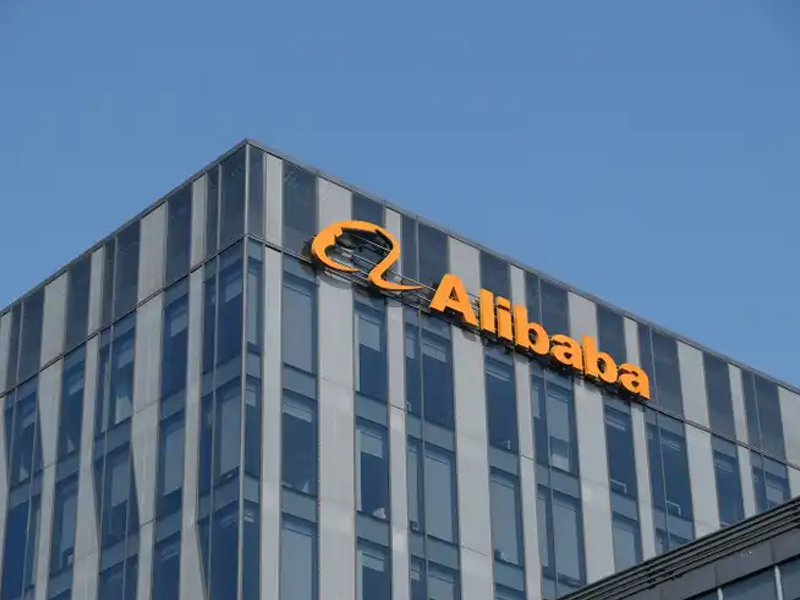
Chinese technology giant Alibaba prohibits employees from using artificial intelligence tools developed by Anthropic for work purposes from July 10, escalating tensions between the two companies amid an intensifying US-China AI rivalry.
The company has classified Anthropic’s Claude Code as high-risk software, citing concerns that the US firm’s products pose “back-door security risks,” according to people familiar with the matter. The sources, who requested anonymity because they were not authorised to discuss internal operations, said employees have been instructed to remove all Anthropic models and AI agent products from their work devices.
Instead, staff will be required to use Alibaba’s in-house AI coding assistant, Qoder.
The decision follows a public dispute that intensified in June when Anthropic submitted a letter to the US Senate Committee on Banking, Housing, and Urban Affairs accusing Alibaba of attempting to unlawfully acquire its artificial intelligence technology.
In the letter, Anthropic alleged that Alibaba had “brazenly” and “illicitly” sought to extract its AI capabilities, describing the incident as “the largest known distillation attack” against the company to date.
Anthropic’s terms of service also prohibit companies from China and other countries it classifies as “adversarial nations” from accessing its AI models.
Neither Alibaba nor Anthropic responded to requests for comment on the latest development.
The ban comes as Anthropic faces mounting criticism in China following reports that its software contains hidden code designed to determine whether users are accessing its services from within the country.
Posts circulating on Reddit and GitHub alleged that the code was intended to identify users who might be based in China, fuelling backlash among Chinese developers and technology communities.
Separately, the Financial Times reported on Friday that Anthropic has begun tightening enforcement measures to close loopholes that have enabled Chinese companies to access Claude through third countries.
According to the newspaper, Chinese fintech company Ant had provided employees with corporate Claude accounts that were accessed through the company’s intranet, which is connected to its Singapore-based entity.
The report also said TikTok owner ByteDance “does not facilitate access to Claude,” but had introduced a reimbursement programme allowing engineers to claim expenses for personal Claude subscriptions. Those subscriptions could then be accessed using virtual private networks (VPNs).
Ant and ByteDance declined to comment on the Financial Times report.
A person familiar with ByteDance’s internal policies said that the reimbursement programme, introduced on April 2, was designed to encourage employees to “experience and learn” from a broader range of AI products in order to improve their technical skills. The source requested anonymity because they were not authorised to discuss company policies publicly.
Boluwatife Enome