ActionAid Nigeria has voiced deep concern regarding the alarming findings from the World Bank, which reveal that over 40 percent of Nigeria’s federal revenue has been deducted before it reaches federal, state, and local governments. This situation exacerbates ongoing issues surrounding fiscal constraints, escalating debt burdens, and challenges in public financial management across the country.
According to the findings, more than ₦34 trillion was deducted during the years under review, highlighting a striking contrast between Nigeria’s increasing revenue and the soaring deductions.
These deductions have significantly diminished the resources available for public investment at all government levels, widening the gap between gross earnings and distributable revenue. As a result, Nigeria’s reliance on borrowing to finance public expenditure has intensified.
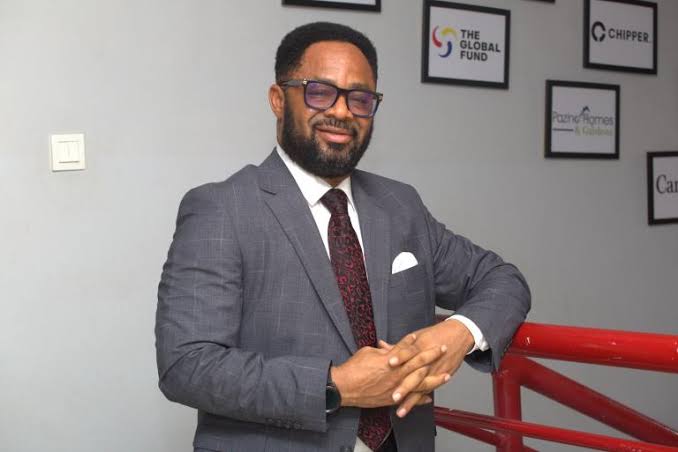
Andrew Mamedu, Country Director at ActionAid Nigeria, emphasized that if a substantial portion of the estimated 41 percent of revenue currently absorbed by deductions had been transparently managed and effectively utilized, Nigeria’s dependency on borrowing could have been drastically reduced.
The urgency of this situation is underscored by International Monetary Fund projections predicting that Nigeria’s debt-to-GDP ratio could escalate to 33.1 percent by 2027.
“The persistence of extensive revenue leakages indicates not only a governance failure but also a lost opportunity to bolster fiscal stability and mitigate debt accumulation,” Mamedu stated. “These deductions represent critical funds that could be used to invest in essential public services.”
The patterns observed in Nigeria’s public finance management system reveal significant structural weaknesses, with substantial revenue flowing through complicated and fragmented channels before ultimately reaching the Federation Account.
This scenario compromises the fiscal space available for all tiers of government, particularly impacting state and local governments that are closest to the citizens yet faced with mounting challenges in delivering fundamental services.
ActionAid Nigeria is especially troubled by the lack of public transparency regarding the composition, justification, and use of these deductions. The ambiguous nature surrounding cost-of-collection frameworks, agency remittances, and other pre-distribution charges raises serious questions of accountability. Additionally, the limited scrutiny by subnational governments further undermines fiscal oversight within the federation system.
Questions about transparency are further reinforced by ongoing concerns about the visibility of public expenditure, including capital projects such as the Nigeria Revenue Service (NRS) building, which was recently commissioned. As with many other public investments, the total project cost and procurement process remain unknown. Yet citizens have a right to full disclosure of how public funds are utilised.
Beyond fiscal implications, reduced public revenue also undermines the government’s ability to invest adequately in security, prevention systems, and community resilience. Combined with rising unemployment, poverty, and exclusion, this worsens insecurity and deepens cycles of crime, displacement, and social instability.
The Country Director of ActionAid Nigeria, Comrade Andrew Mamedu, noted that ‘‘For millions of Nigerians, the consequences are immediate and severe. At a time of rising inflation, declining purchasing power and widespread economic strain, the continued reduction of available public resources means fewer investments in essential services and limited support for vulnerable populations.’’
These pressures also weaken the state’s capacity to address insecurity. As livelihoods become more fragile and opportunities diminish, the conditions that drive crime, displacement and social unrest intensify, reinforcing a dangerous cycle of vulnerability and instability.
He added that these findings expose a deeply troubling reality about Nigeria’s public finance system. At a time when citizens are enduring significant economic hardship, it is unacceptable that such a large share of national revenue is lost through opaque processes.
This is not just a fiscal issue; it is a matter of justice. Every naira that does not reach essential services denies Nigerians access to healthcare, education and dignity. The government must act decisively to reform these systems, ensure full public disclosure and prioritise citizens’ needs.
ActionAid Nigeria warns that the continued expansion of unchecked deductions poses a direct threat to equitable development, fiscal stability, and public trust. Without urgent reforms, Nigeria risks entrenching a system where public resources are consistently eroded before they can deliver meaningful impact, while citizens continue to bear the burden of declining services and rising hardship.
ActionAid Nigeria therefore recommends that the Federal Government urgently undertake a comprehensive and transparent review of all revenue deduction frameworks to ensure accountability, justification, and full public disclosure.
We further call for the immediate publication of detailed breakdowns of all deductions, strengthened independent oversight of all revenue-generating agencies, and urgent reforms to eliminate inefficiencies, opacity, and systemic leakages in public financial management.
ActionAid Nigeria also demands an independent forensic audit and public review of all deduction mechanisms to restore public confidence in fiscal governance and ensure that national resources are managed strictly in the public interest.
The National Assembly is urged to strengthen its constitutional oversight role through regular public hearings and rigorous scrutiny of deduction structures, their legal basis, and their developmental impact.
Subnational governments must also play a more assertive role in demanding transparency and accountability within the federation’s revenue system, while civil society, the media, and citizens are encouraged to intensify independent scrutiny of public financial management.
Nigeria’s development trajectory depends not only on revenue generation but, fundamentally, on the integrity, transparency, and equity with which public resources are governed, allocated, and deployed for the collective good.
ActionAid Nigeria calls on civil society organisations, the media, and citizens to remain vigilant and actively hold public office holders to account. We must collectively challenge and expose corruption, demand transparency, and resist all forms of mismanagement of public resources.